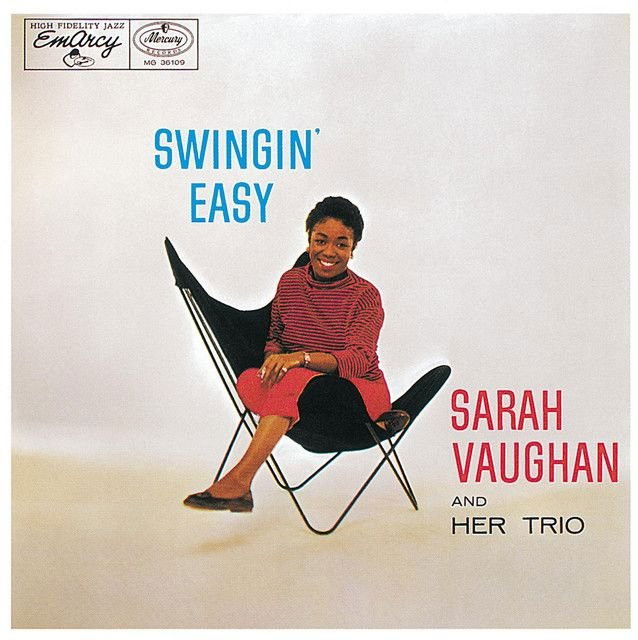
All of Me by Sarah Vaughan
Why This Standard Still Hurts
The meaning of All of Me Sarah Vaughan starts with a simple idea: after a breakup, the singer feels so emotionally emptied out that they offer the rest of themselves too. The song is not really about possession. It is about helplessness, longing, and the way love can make a person feel incomplete when it ends.
"All of Me" - Sarah Vaughan
Why not take all of me?
Can't you see
Loading lyrics...
Unable to load lyrics
We're unable to display the lyrics at this time. Please try again later.
Written by Gerald Marks and Seymour Simons, “All of Me” became one of the best-known American standards, with Vaughan later turning it into a showcase for emotional control and vocal color. Vaughan herself was far more than a standard singer; she was one of the defining voices of 20th-century jazz, often praised for her range, precision, and rich tone. Even a broad source like Wikipedia’s Sarah Vaughan entry reflects that critical consensus and notes her reputation as “The Divine One.”

Watch the official All of Me
music video
A Love Song Built on Loss
At the center of the lyric is a speaker addressing someone who has already left. That matters. This is not a plea to stay before the breakup; it is a response to the damage after it.
The opening hook, all of me
, sounds bold and romantic at first. But in context, it is almost sarcastic. The speaker is saying: you already took the most important part, so why not take everything else too?
That idea grows through body imagery. The song mentions lips, arms, eyes, and heart, not to describe physical beauty, but to show how grief affects the whole self. When the singer says no good without you
, the line does not mean literal inability to function. It expresses emotional collapse in the exaggerated language of classic popular songwriting.
How the Verses Connect
The body becomes a map of heartbreak
Each verse builds the same emotional case. First, the speaker says they are diminished without the other person. Then they describe body parts as useless or wounded. Finally, they return to the main thought: if the heart is already gone, the rest hardly matters.
That is why phrases like take my lips
and take my arms
land so strongly. The lyric turns ordinary features into symbols of intimacy. Lips suggest affection and speech. Arms suggest touch, comfort, and embrace. Without love, those parts lose their purpose.
The saddest turn comes with eyes that cry
. This image shifts the song from clever wordplay to real pain. Up to that point, the lyric can sound witty. Here, it becomes openly vulnerable.
What Sarah Vaughan Adds to the Meaning
The song existed before Vaughan sang it, so the interpretation has to separate lyric meaning from performance meaning. Factually, the song was written by Marks and Simons. Interpretation: Vaughan’s version deepens it by making the sadness sound both elegant and bruised.
Vaughan was known for a huge vocal range and remarkable tonal control, traits widely noted by critics and biographical sources, including Wikipedia. In a song like this, that matters because she could make a familiar standard feel less like a stock torch song and more like a private confession.
Rather than rushing toward melodrama, they shape phrases with patience. A slight delay, a softened consonant, or a darker note color can make the lyric sound resigned instead of merely theatrical. That balance is central to the meaning of All of Me Sarah Vaughan: the pain is intense, but the performance remains poised.
Sound, Swing, and Emotional Tension
Why the music feels lighter than the words
One reason “All of Me” lasts is the contrast between lyric and sound. The song is often performed with a light jazz pulse, easy swing, and conversational phrasing. That musical brightness rubs against the heartbreak in the words.
This contrast creates emotional tension. The melody is catchy and mobile, while the lyric is about emotional damage. That mismatch reflects real life: people often mask sadness with charm, humor, or style.
In Vaughan’s hands, the jazz setting helps rather than weakens the lyric. Their phrasing can tease the beat, stretching a line just enough to suggest hesitation or ache. The arrangement gives space for sophistication, but the core message remains heartbreak.
Your goodbye
left them in tears,
and the missing heart
makes the final plea feel inevitable.
Two Strong Readings of the Song
Interpretation 1: Total surrender after abandonment
The most direct reading is that the speaker has lost all emotional power. The lover has already taken the heart, so offering the rest is a gesture of surrender. In this view, the song is about the helplessness of loving someone who no longer loves you back.
Interpretation 2: A witty mask over deep pain
There is also a more layered reading. The lyric is clever, even playful, in the way it lists body parts and turns misery into polished language. Interpretation: that wit may be a defense mechanism. The speaker sounds charming because plain despair would be too hard to say directly.
Both readings fit Vaughan especially well. Their artistry often joined technical beauty with emotional complexity, making a standard sound both controlled and deeply felt.
Why the Song Endures
Part of the song’s staying power is its simplicity. There is no detailed backstory, no names, and no scene-setting. Instead, it reduces heartbreak to a few clear images and a repeated appeal. That makes it easy for different singers to inhabit.
For U.S. listeners, Vaughan’s version also connects the tune to the larger history of jazz vocal interpretation. She came from a tradition that treated standards as living material, not museum pieces. As Vaughan once said about labels, quoted on Wikipedia, she liked “all kinds of music.” That openness helps explain why a well-known standard could become so personal in her voice.
The Lasting Takeaway
The meaning of All of Me Sarah Vaughan is heartbreak expressed with grace. The lyric says love has taken so much that the speaker barely feels whole. Vaughan’s performance makes that idea sound refined, human, and devastating at once.
That is why the song still works: it turns romantic loss into a clean, memorable metaphor, and Vaughan gives that metaphor warmth, swing, and ache.
Disclaimer: This article offers a good-faith interpretation based on the lyrics, songwriting history, and Sarah Vaughan’s performance style. Meaning in music can remain open to personal listener interpretation.







