
Honeysuckle Rose by Sarah Vaughan
The meaning of Honeysuckle Rose Sarah Vaughan starts with a simple idea: love makes the beloved seem sweeter than the whole world around them. This is not a sad torch song or a complicated breakup story. It is a playful, romantic standard that turns affection into taste, scent, and color.
"Honeysuckle Rose" - Sarah Vaughan
Fills with jealousy
When they see you out with me
Loading lyrics...
Unable to load lyrics
We're unable to display the lyrics at this time. Please try again later.
Sarah Vaughan did not write the song, but their version helps explain why it lasts. Written by Andy Razaf and Thomas “Fats” Waller in the late 1920s, and introduced in the revue Load of Coal, the tune became one of jazz’s most durable standards. Vaughan later sang it on At Mister Kelly's, where their voice gave the song elegance, wit, and warmth.
A Love Song Built on Sweetness
At its core, the song praises someone so charming that nature itself seems to react. The singer compares the loved person to flowers, honey, sugar, and candy. That imagery is light and funny, but it also tells listeners something serious: desire often works by exaggeration. In love, one person can seem brighter, softer, and more irresistible than anything else.
The opening image says a lot with very little. When the lyric mentions Every honeybee
and then jealousy, it imagines even bees feeling threatened by this person’s sweetness. That is not meant literally. It shows how completely the singer is dazzled.
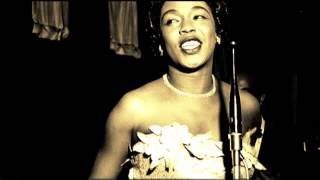
Watch the official Honeysuckle Rose
music video
How the Verses Connect to the Theme
Each verse builds the same central feeling from a new angle. First, the song says others notice the beloved’s appeal. Then it says nature notices too. Finally, it moves from public admiration to private intimacy.
That structure matters. The song begins outside, with bees and flowers, then shifts closer to the singer’s body and senses. By the time it reaches lines about sugar and sipping, the praise has become more personal and flirtatious.
Don't buy sugar
You just have to touch my cup
Those lines are playful and a little cheeky. The idea is that the beloved alone can sweeten life. In plain terms, the singer does not need anything extra because this person already brings joy, pleasure, and emotional warmth.
Who Is Speaking, and What Do They Want?
The song uses a first-person speaker, but the emotional point is easy to follow. They are not telling a complicated story. They are celebrating someone they adore.
When the lyric says You're my sugar
, it reduces love to a direct, affectionate nickname. That phrase carries devotion, but also possession in the harmless, old-fashioned language of romantic standards. The speaker wants closeness, admiration, and the pleasure of being near this person.
Interpretation: There is also a performance element here. Standards like this often let singers dramatize infatuation rather than confess a private truth. In other words, the emotion is sincere inside the song, but it is also designed for charm, swing, and audience delight.
Sarah Vaughan’s Voice Changes the Meaning
Sarah Vaughan’s version matters because their vocal style deepens a song that could otherwise feel merely cute. Vaughan was famous for rich tone, precise phrasing, and a gift for turning melody into conversation. In performance, they could make a familiar standard sound both polished and spontaneous.
That helps the meaning of Honeysuckle Rose. Instead of sounding sugary in a shallow way, the song becomes confident and sophisticated. Vaughan’s timing lets the humor breathe. Their phrasing can stretch a word, lean into a rhyme, or add a touch of swing that makes admiration feel lived-in rather than cartoonish.
This is why the song works as more than decorative nostalgia. The lyrics are simple, but Vaughan’s delivery suggests control. They are not overwhelmed by love; they are enjoying it.
Sound, Swing, and the Feeling of Ease
Musically, “Honeysuckle Rose” is a jazz standard built for movement. Its melody is catchy, the rhymes are neat, and the harmonic structure gives singers and players room to play. In many versions, including Vaughan’s live setting, the rhythm section keeps things buoyant rather than heavy.
That sound supports the lyric’s message. A relaxed swing feel makes the praise sound natural. If the arrangement were slow and dramatic, the words might seem overblown. But with jazz bounce, lines like Flowers droop and sigh
come across as witty exaggeration.
The song also belongs to a long performance tradition. It has been recorded by major artists across decades, and Waller’s 1934 version was later inducted into the Grammy Hall of Fame. That history matters because listeners hear it as part love song, part shared jazz language.
Symbols Hidden in Plain Sight
The symbols are easy to spot, but they do real work:
- Honey and sugar suggest pleasure, comfort, and desire.
- Bees and flowers place romance inside nature.
- Taste imagery turns attraction into something physical and immediate.
- The rose suggests beauty, rarity, and tenderness.
When the song calls the beloved Honeysuckle rose
, it combines two sweet floral images into one ideal figure. The person becomes less an ordinary partner and more a fantasy of perfect charm.
Interpretation: That fantasy is the point. The song is not trying to describe realistic love. It captures the heightened language people use when they are thrilled by someone.
Why the Song Still Connects
Part of the reason this standard survives is that its emotion is universal. People still understand the urge to say that someone lights up a room or makes everything better. “Honeysuckle Rose” simply says it in the jazzy, image-rich language of its time.
Sarah Vaughan helps modern listeners hear that without dust or distance. Their version shows that beneath the vintage wording is a timeless feeling: delight in another person’s presence.
So the meaning of Honeysuckle Rose Sarah Vaughan is not mysterious. It is a joyful portrait of romantic admiration, dressed in the sweet imagery of classic jazz. The song turns a crush into a whole sensory world, and Vaughan’s performance gives that world grace, wit, and swing.
Final Note on Interpretation
This reading separates documented facts about the song’s writers, history, and performance tradition from interpretation about its emotional meaning. As with any standard, listeners may hear different shades of flirtation, humor, or devotion in Sarah Vaughan’s performance.







