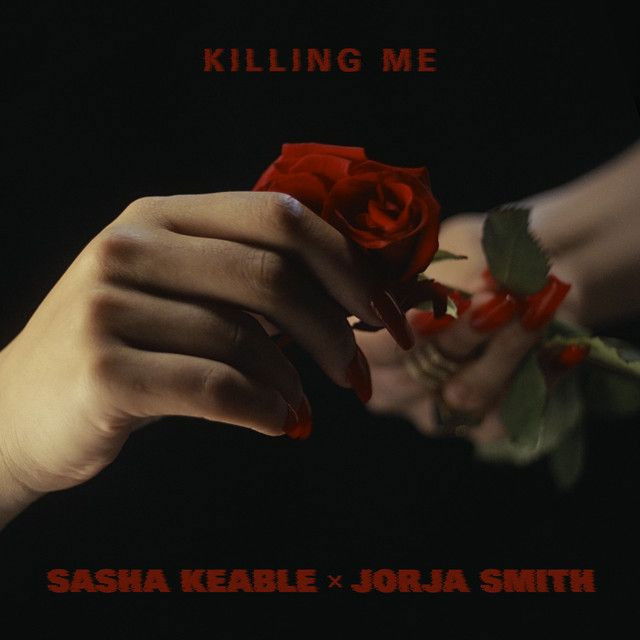
What 'Killing Me' Really Says About Letting Go
The meaning of Killing Me Sasha Keable, Jorja Smith centers on a breakup that feels necessary for survival. This is not a song about dramatic blame. Instead, it is about reaching the point where love stops feeling safe, mutual, or healing, and starts feeling like a weight they can no longer carry.
"Killing Me" - Sasha Keable, Jorja Smith
It used to spend weeks on my mind
But it's been seven months of these lies
Loading lyrics...
Unable to load lyrics
We're unable to display the lyrics at this time. Please try again later.
Sasha Keable and Jorja Smith are both known for emotionally direct R&B writing, and that matters here. The song’s plainspoken lines make the message hit harder: they are not leaving because they stopped caring, but because staying has become damaging.
A Breakup Song That Chooses Self-Respect
At its core, the song is about emotional boundaries. Early on, the narrator admits the relationship has been full of distance and dishonesty. When they mention seven months of these lies
, they are not just counting time. They are measuring how long they have lived with something that already felt broken.
Then the song shifts from accusation to self-recovery. The key line is the repeated idea that they need to be whole on their own before they can love anyone else. That thought turns the song into more than a breakup track. It becomes a statement about rebuilding identity after being worn down by a relationship.
Interpretation: The strongest emotional move in the song is that they refuse the role of rescuer. They tell the other person to seek help and healing, but not from me
. That boundary sounds cold on paper, yet in context it is the healthiest line in the song.

Watch the official Killing Me
music video
Who They Are Speaking To
The voice in the song is direct and personal, but the target keeps widening. On one level, they are clearly speaking to an ex-partner who has become emotionally exhausting. They describe someone who may miss the comfort of the relationship more than the actual person.
But there is a second layer too. Parts of the lyric sound like self-talk. When they say they are tryna live with myself
, the focus is no longer on the ex. It is on learning how to exist without conflict, anxiety, and the constant need to manage someone else’s feelings.
That makes the song feel mature. They are not saying the other person is pure evil. They are saying the bond became unhealthy, and both people now need to face themselves.
The Story Moves From Pain to Release
The song follows a clear emotional timeline:
- They look back at a relationship that has gone wrong.
- They admit they cannot keep carrying both people.
- They leave and feel the pain of that choice.
- They begin to feel relief alongside grief.
That shift is especially strong in the later verse. They still go out, still hear echoes of the past, and still feel haunted at night. But the sadness has changed. The memories remain, yet they no longer destroy them. In other words, heartbreak is still present, but it has stopped running their life.
Let me free
I'll close the door
It was killing me
This is the emotional center of the song. The idea is simple: ending the relationship hurts, but staying in it hurt more.
Why the Chorus Hits So Hard
The chorus works because it is brutally plain. The repeated phrase it was killing me
is not poetic decoration. It is the clearest possible summary of emotional burnout.
Repetition matters here. Each return to that line sounds like a person convincing themselves that leaving was necessary. The words are blunt because the truth has finally become unavoidable.
Interpretation: The chorus is not only about heartbreak. It is about clarity. After confusion, guilt, and back-and-forth feelings, the narrator can finally name the damage without softening it.
Self-Love Is the Song’s Real Destination
One of the most interesting things about the meaning of Killing Me Sasha Keable, Jorja Smith is that the song does not end with revenge or triumph. It ends with emotional honesty. They admit the other person still lingers in memory. Their voice still appears in the mind. Love, the song says, can still hurt badly even after the decision to walk away.
But the closing message is firmer than the opening. When they return to the idea of needing to be loved by themselves first, the line now feels earned. At the start, it sounds like a realization. By the end, it sounds like a rule for survival.
How the Sound Supports the Meaning
The production style fits contemporary soulful R&B: spacious, intimate, and heavy without being loud. That kind of arrangement leaves room for breath, hesitation, and vocal cracks. Rather than pushing toward drama, the song lets the singers sound tired, honest, and close to the listener.
That matters because the theme is emotional depletion. A glossy or over-produced track would weaken the message. Here, the likely choice of restrained drums, soft keys, and layered vocals helps the song feel like a late-night confession instead of a public showdown.
Jorja Smith’s feature also strengthens the mood. Her tone often carries calm ache, while Sasha Keable brings force and rawness. Together, they make the song feel both wounded and resolved.
Final Take on the Song's Meaning
The meaning of Killing Me Sasha Keable, Jorja Smith is about recognizing when love has stopped being nourishing and choosing self-preservation instead. It captures the painful middle ground where they still care, still remember, and still hurt, but know they have to leave.
In the end, the song argues that real love cannot grow in emotional chaos. Sometimes the kindest thing they can do is close the door, heal alone, and let the past stop defining them.
Disclaimer: This interpretation is based on the released lyrics and performance. As with any song, listeners may hear meanings that differ from the ones discussed here.








