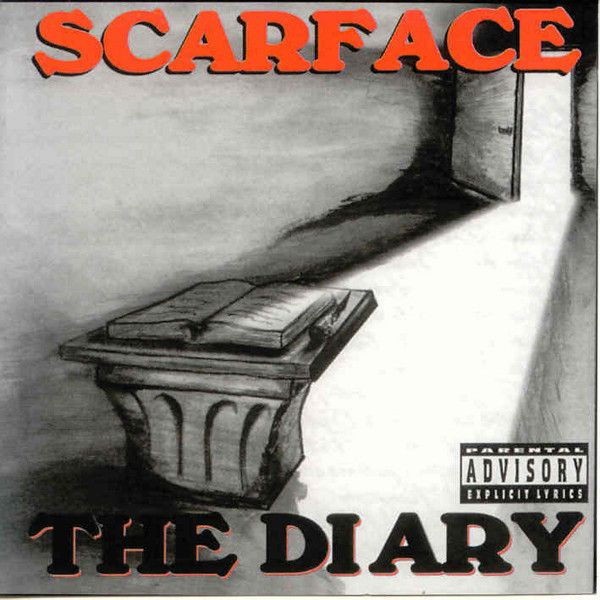
Why "I Seen a Man Die" Still Hits So Hard
The meaning of I Seen a Man Die Scarface comes down to one brutal idea: death makes every lie, pose, and street fantasy fall apart. Scarface turns a crime story into a moral reckoning. They are not just hearing about violence; they are hearing what happens when a person has time to think at the edge of death.
"I Seen a Man Die" - Scarface
I don't know dawg, just trying to live it one day at a time, ya know?
(I hear you talkin' man, live it one day at a time, it ain't nothing but a thang though, bro
Loading lyrics...
Unable to load lyrics
We're unable to display the lyrics at this time. Please try again later.
Released in 1994 as the lead single from The Diary, the song became one of Scarface's biggest crossover records, reaching No. 37 on the Billboard Hot 100 and No. 2 on Hot Rap Songs, according to chart data summarized by Wikipedia: I Seen a Man Die. That success matters because this is not a party rap single. It is slow, heavy, and reflective.
A street story that turns into a warning
On the surface, the song tells a clear story. A young man gets out of prison after seven years and wants a better life. He has family history, lost time, and social pressure working against him. He tries to move forward, but the old world pulls him back.
Scarface sketches that setup quickly: the man is newly free, still marked by the system, and trying to stay clean. Then the song pivots. What seemed like a comeback story becomes a death story.
That turn is why the hook lands so hard. When Scarface says I seen a man die
, they are not talking about death in an abstract way. They are describing the moment tough talk disappears and fear becomes visible. The repeated line about never seeing a man cry until seeing him die reframes the whole song: death reveals human truth.
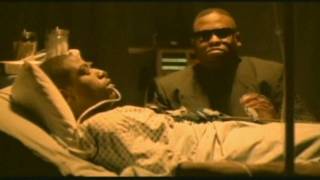
Watch the official I Seen a Man Die
music video
How the verses build that meaning
Verse one: hope is real, but fragile
The first verse matters because it gives the doomed character dignity. He is not introduced as a cartoon criminal. He is someone's son, recently released, and trying to rebuild. That detail makes the story tragic instead of simple.
Scarface also points to larger social forces. The man is young, shaped by prison, and facing the same problems as before. Interpretation: the song suggests that personal choices matter, but so do broken systems that trap people in repeat cycles.
Verse two: death strips away illusion
The second verse moves from story into meditation. Scarface asks the listener to imagine life at its highest point and then imagine dying in an enemy's arms. That contrast is everything. Power and pride do not last.
One of the song's strongest ideas is that death is both physical and emotional. Scarface sees fear, the last breath, and the grief left on a mother's face. In other words, one death radiates outward. The victim is gone, but pain stays with the living.
I could never seen a man cry
'til I seen a man die
Those lines are simple, but their meaning is large. The song argues that death exposes vulnerability even in people taught to hide it.
Verse three: the final moments
The last verse is the most unsettling. Scarface slows down and watches the body fail: weak pulse, blacking out, fear, surrender. Phrases like hold on
and let it go
make the scene feel painfully intimate.
Then the song shifts again, from hospital realism to spiritual imagery. There is a tunnel, light, and the possibility of peace with God. Interpretation: Scarface is not preaching one strict doctrine. They seem more interested in the final self-examination that comes before death. In those moments, status means nothing; conscience means everything.
The hook is the emotional key
Many rap songs describe death. Few center the emotional shock of witnessing it. That is what makes this chorus unforgettable.
The key phrase man cry
changes the song's focus from the dead body to the human response. Scarface is saying that even the hardest person becomes fragile in the face of mortality. The song is not impressed by street mythology. It cuts through it.
This is also why the title matters. It sounds plain, almost conversational, which makes it feel like testimony rather than poetry. They are not decorating the event. They are reporting what they saw and what it did to them.
Why the production feels so haunting
The record's power is not only in the writing. It is also in the sound. According to the song's credits, it was produced by N.O. Joe, Mike Dean, and Scarface, with writing credited to Brad Jordan and Joseph Johnson: Wikipedia entry.
The production is restrained and mournful. The beat moves slowly, leaving room for Scarface's voice to carry the weight. The keyboards and low-end feel ghostly rather than flashy. Nothing rushes. That matters because the song is about being forced to sit with death, not escape it.
Scarface's delivery is just as important. They rap with calm control instead of melodrama. That understatement makes lines like final breath
hit harder. The performance sounds like someone remembering something real, not acting out a scene.
Artist context makes the message stronger
By 1994, Scarface already had a reputation as one of rap's most serious storytellers. The Diary is often seen as one of their best albums because it blends street detail with deep introspection. This single helped define that reputation.
Its reception also tells a story. A dark, reflective song becoming a major hit suggests listeners recognized its honesty. They did not hear empty shock value. They heard consequence.
The best way to read the song today
The strongest reading of the meaning of I Seen a Man Die Scarface is that it is an anti-glorification song disguised as a street narrative. It understands the pull of crime, respect, and survival, but it refuses to romanticize the ending.
A second valid reading is spiritual. The final verse suggests that death is a threshold where a person faces what they did, who they loved, and whether they made peace before it was too late.
Final takeaway
What makes this song last is its honesty. Scarface turns death from a rap trope into a human event filled with fear, grief, memory, and judgment. They show that when the performance of toughness ends, what remains is the soul.
Disclaimer: This article offers informed interpretation based on the song, its credits, and public release history. Meaning can remain personal, and listeners may hear different layers in the track.







