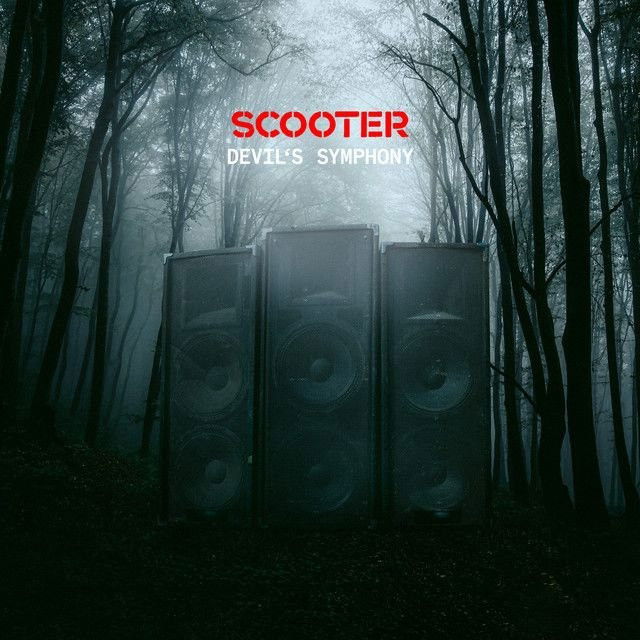
What ‘Devil’s Symphony’ by Scooter Really Means
Scooter’s “Devil’s Symphony” is not a deep story song in the usual sense. It is built more like a rave slogan, using big images of the devil, fire, and the “other side” to turn a night out into something mythic. For listeners searching for the meaning of Devil's Symphony Scooter, the clearest answer is this: the song celebrates losing oneself in dance music so fully that the party feels dangerous, thrilling, and almost supernatural.
"Devil's Symphony" - Scooter
He wants to bring me to the other side
I told him I'm gonna rave 'til morning light
Loading lyrics...
Unable to load lyrics
We're unable to display the lyrics at this time. Please try again later.
That idea fits Scooter’s long-running style. The German group has spent decades making high-energy tracks that mix hard dance beats with chant-like hooks and dramatic one-liners. According to available release information, “Devil’s Symphony” came out as a single on 11 October 2019 and later appeared on God Save the Rave, released 16 April 2021. It also notably uses a sample from Tchaikovsky’s Swan Lake (Wikipedia). That classical lift matters because it gives the song its “symphony” side while the pounding beat delivers the “devil” side.
A Rave Song Dressed as a Battle
At the center of the lyric is a showdown. The speaker says the devil is coming and wants to pull them away, yet they answer with defiance. Instead of surrendering, they choose the rave. When the hook insists on staying until dawn, the point is not subtle: pleasure, noise, and movement become a form of resistance.
Short lines like the other side
and rave ’til morning light
frame that choice in almost fantasy terms. The song turns a club night into a test between ordinary life and ecstatic escape. In plain language, reality is dull, while the rave feels larger than life.

Watch the official Devil's Symphony
music video
Why the Devil Image Matters
The devil in this song does not have to be read literally. Interpretation: they likely use the figure as a symbol for temptation, chaos, and reckless freedom. In dance music, especially big-room or hard-rave styles, artists often use extreme imagery to make intensity feel cinematic.
That is why the track pairs dark language with celebration. It says the place is burning, mixes heaven and hell, and suggests that danger itself is part of the attraction. The phrase leave reality behind
sums up the emotional goal. This is not about morality in a church sense. It is about crossing a mental line and entering a space where everyday rules no longer matter.
The Chorus Turns Excess Into Identity
The chorus is where the song’s attitude becomes clearest. The repeated idea is simple: a dark force may arrive, but the speaker refuses to stop partying. That is why the line I party ’til I die
lands so hard. It is exaggerated, of course, but exaggeration is the whole point.
In Scooter’s world, commitment to the rave is nearly heroic. The speaker is not just going out for fun; they are pledging total devotion to the night. That gives the song its comic-book scale.
Come with me
To the other side
Leave reality behind
Those lines act like an invitation. They pull the crowd into the fantasy and make the song communal rather than private. Even when the lyric starts with “I,” the energy is really aimed at “everybody.”
How the Sound Explains the Lyrics
Production does a lot of the meaning-making here. “Devil’s Symphony” is short, loud, and direct, running just over three minutes on God Save the Rave (Wikipedia). Instead of developing a complex plot, it builds impact through repetition, drops, and chant-ready phrasing.
The most important musical detail is the sample from Swan Lake (Wikipedia). That classical theme adds tension and grandeur. It also creates a smart contrast: ballet music often carries elegance and tragedy, while Scooter’s beat turns it into a rave weapon. In effect, the track stages a collision between high culture and club culture.
Interpretation: that clash supports the title. A “symphony” suggests order, tradition, and composition. “Devil” suggests disorder, temptation, and rebellion. Put together, they describe a song that sounds both staged and wild.
Artist Context Helps the Meaning
Scooter have always thrived on excess, catchphrases, and physical energy. “Devil’s Symphony” arrived during the God Save the Rave era, a period when the group was still pushing hard on the idea of rave as identity and survival. The album itself reached No. 4 in Germany and No. 2 on the UK Dance Albums chart (Wikipedia), showing that their formula still connected with listeners.
This track also belongs to a lineup moment. God Save the Rave was the first and only Scooter studio album to feature Sebastian Schilde and the last to feature Michael Simon (Wikipedia). That does not change the lyric directly, but it places the song inside a phase of renewal. It sounds like a band reaffirming what they do best: turning rave into a spectacle.
Two Strong Ways to Read It
There are at least two useful interpretations of the meaning of Devil's Symphony Scooter:
- Rave as liberation. The song is about escaping daily pressure through music, volume, and collective release.
- Rave as temptation. The song knowingly flirts with excess, using devil imagery to show that pleasure can feel risky and addictive.
Both readings work because the song never fully chooses between warning and celebration. It uses dark symbols, but the mood is not fearful. It is excited.
Final Take on the Song’s Message
In the end, “Devil’s Symphony” is best understood as a theatrical rave anthem. It uses hellish imagery, a famous classical sample, and blunt repetition to say that dance music can feel overwhelming enough to become its own alternate world.
For most listeners, the meaning of Devil's Symphony Scooter is less about evil than intensity. The song is about surrendering to sound, chasing release, and treating one wild night like a grand drama.
Disclaimer: This interpretation is based on the released lyrics, production choices, and public release context. As with most songs, meaning can vary from listener to listener.









