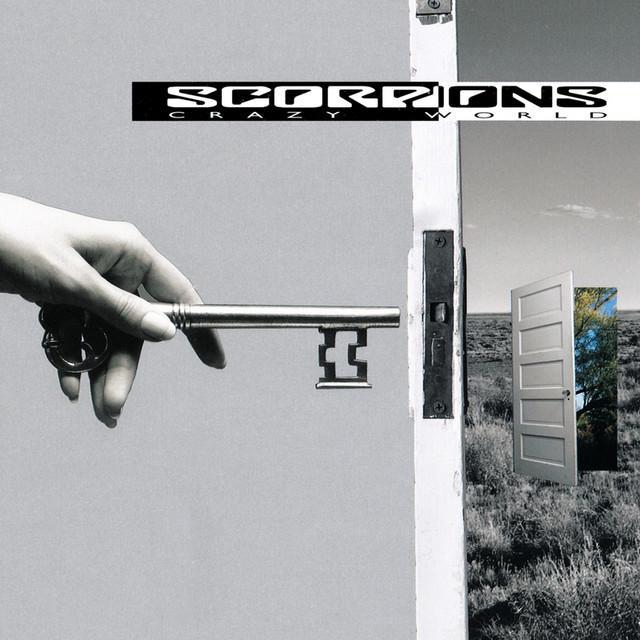
The Meaning of 'Wind of Change' (Scorpions), Decoded
They turned a private moment on a Moscow riverbank into a global goodbye to the Cold War. This guide unpacks the meaning of Wind Of Change Scorpions: what the song says, how it sounds, and why it still matters.
"Wind Of Change" - Scorpions
Down to Gorky Park
Listening to the wind of change
Loading lyrics...
Unable to load lyrics
We're unable to display the lyrics at this time. Please try again later.
A Ballad at the Edge of History
Written by Klaus Meine and released in 1991 on Crazy World, the song arrived as the Soviet Union unraveled and Germany reunited. Meine has said the spark came after the band’s 1989 Moscow performances during perestroika and glasnost. He pictured a lone walk—I follow the Moskva
, Down to Gorky Park
—and turned it into a universal scene of change.
Fact: Wind of Change was produced with Keith Olsen and the band, became a worldwide hit, reached No. 4 in the U.S. and No. 2 in the UK, and topped charts across Europe. It later became one of the best-selling singles by a German artist. Those outcomes amplify what the lyrics already promise: the winds of politics becoming winds of people.
Watch the official Wind Of Change
music video
Who’s Talking, and What Do They Want?
The narrator speaks in first person, noticing how The world is closing in
but also “the future’s in the air.” They’re not giving orders; they’re inviting listeners to witness hope taking shape. When they mention the children of tomorrow
, they’re aiming past leaders and flags to the next generation’s shared dreams.
This is key to the song’s warmth: the “you and me” of the chorus flattens borders. Even as history shifts, the voice insists change must be felt at street level, in friendships, and in music.
Verse-to-Chorus: The Story in Motion
- Verse 1: A specific place (Moskva, Gorky Park) becomes a lens on a continent preparing to turn the page.
- Pre-chorus: The mood flips from anxiety to possibility—“the future’s in the air.”
- Chorus: The narrator asks to be taken to a “magic of the moment,” where those
children of tomorrow
can dream together. It reframes geopolitics as a personal, nighttime revelation. - Later verses: Memory and distance soften—walking, remembering, burying the past. The feeling isn’t triumphal; it’s relieved, sober, and open-armed.
The bridge makes the claim plain:
The wind of change Blows straight into the face of time Like a storm wind that will ring the freedom bell For peace of mind
Interpretation: Time itself yields to a stronger force—people deciding to live differently.
Symbols You Can Hear: Wind, River, Children
- Wind: Movement you can’t see but feel—exactly how social change often arrives. The line
blowing with the wind of change
suggests surrender to a larger current. - River and park: Naming the Moskva and Gorky Park plants the song in a real place, signaling respect for Russian people, not propaganda.
- Instruments in the text:
let your balalaika sing
pairs a Russian folk symbol with a Western rock guitar. Interpretation: cultural voices don’t need to compete; they can harmonize toward freedom. - Children: A reminder that peace is judged by the world we hand off. The song’s moral horizon is generational, not partisan.
Why the Sound Sells the Hope
Wind of Change is a power ballad: steady tempo, clean guitars, and a build from intimate verse to big, communal chorus. The whistled melody—quiet, human, and instantly memorable—acts like the wind itself: a soft carrier of a strong idea. Reports credit the clean intro to Matthias Jabs, while Rudolf Schenker’s melodic solo lifts the song without turning it into a riff workout. Drums and backing vocals expand in the chorus, turning a solitary walk into a crowd singing along.
Production choices matter. The band and producer Keith Olsen keep the mix uncluttered, so each new layer feels like the world opening up. It’s rock, but it breathes—fitting a message about easing tensions.
Debates, Myths, and New Contexts
Over time, the song gathered myths, including a 2020 podcast rumor that the CIA had a hand in it. Klaus Meine publicly denied this, reaffirming he wrote it. That debate shows how deeply the song is tied to politics; still, its human focus outlasts any conspiracy chatter.
The band has adapted the song live in response to current events. During the 2022 war in Ukraine, they altered the opening lines to avoid romanticizing Russia, while keeping the core call for peace. The message is flexible; the ethic—dignity, unity, and nonviolence—stays fixed.
What This Means for Listeners Today
- The song argues that culture can accelerate history. A show in Moscow helped a German band hear ordinary Russians as neighbors.
- It reframes victory. Instead of taunting a rival, it invites a partner: “you and me,” not “us versus them.”
- It trusts memory. Letting the past be “buried” isn’t erasing it; it’s recognizing that fear should not steer the future.
Takeaway: What We Carry Forward
If you’re searching for the meaning of Wind Of Change Scorpions, start with the walk by the river and end with the chorus crowd. It’s a prayer that change arrives not as revenge but as relief—and that tomorrow’s kids inherit a world where different instruments can sing the same song.
Disclaimer: Song meanings are interpretations; artists and listeners may understand them differently over time.
Sources
- https://en.wikipedia.org/wiki/Wind_of_Change_(Scorpions_song)
- https://www.rollingstone.com/music/music-news/scorpions-wind-of-change-the-oral-history-of-1990s-epic-power-ballad-63069
- https://www.songfacts.com/facts/scorpions/wind-of-change
- https://www.billboard.com/music/music-news/scorpions-wind-of-change-one-billion-youtube-views-1235253117/
- https://www.blabbermouth.net/news/scorpions-perform-ukraine-version-of-wind-of-change








