Why 'More or Less' Feels Like the End
The meaning of More or Less Screaming Trees comes through as a portrait of emotional shutdown. The song does not sound like a dramatic breakup anthem or a loud confession. Instead, it feels like the moment after too many failed attempts, when two people have reached the end of the road and can only admit that nothing important is left to say.
"More or Less" - Screaming Trees
Tonight it will not take us home
Gonna go to that deep river
Loading lyrics...
Unable to load lyrics
We're unable to display the lyrics at this time. Please try again later.
Screaming Trees were one of the key bands to rise from the Pacific Northwest, blending grunge with psychedelic and hard rock elements. The band formed in Washington in 1984 and was led by Mark Lanegan’s unmistakable low voice, a sound that later became central to his wider career as well (Wikipedia). That background matters here, because this song uses the band’s usual mix of heaviness and haze to turn simple lines into something haunted.
The song’s core idea is emotional resignation
At its heart, the song is about being worn down by repetition. The opening idea says they have traveled the same path too many times, and now it no longer leads home. That image turns a relationship into a journey that once promised comfort but now ends in emptiness.
The key feeling is not rage. It is fatigue. When the song says run this road
and later suggests there is nothing to explain
, it points to a bond that has already broken long before the final goodbye. The speaker sounds as if they have had every argument, replayed every mistake, and reached a place where words no longer help.
Interpretation: This is why the title feels so sharp. “More or less” suggests a shrug, a flattening of difference. One more fight, one less promise, one more wound—it all starts to blur together.

Watch the official More or Less
music video
The “deep river” image carries the song’s mystery
The strongest symbol in the lyric is the river. Instead of trying to repair the situation, the speaker says they are going to that deep river
, where the water is moving slow
. That image changes the song from a plain breakup narrative into something more poetic and open.
A slow river can suggest several things at once:
- a wish to drift away from conflict
- a place of reflection or mourning
- a surrender to forces bigger than the self
- a border between one emotional state and another
Interpretation: The river may represent escape from pain, but not in a triumphant way. Because the water moves slowly, the image feels heavy and numb, not cleansing or joyful. It is less about rebirth than about being carried into acceptance.
How the verses and chorus build the same cold feeling
The verses repeat key ideas: closed eyes, failed vision, and a road that no longer works. In simple terms, the speaker cannot see clearly anymore, either emotionally or morally. They are lost, but they are also too tired to resist that fact.
The chorus then strips the story down even further. It says, in effect, that explanation is over, blame has surfaced, and the only comfort left is that the ordeal may finally end. The phrase so much colder
is important because it gives the emotional temperature of the whole song. The relationship, or shared experience, has lost warmth, trust, and movement.
Nothing left to hear
all the same
be glad that it’s all over
Those brief lines show how the chorus works. It does not argue for hope. It argues for closure, even if that closure feels bleak.
Who is speaking, and who gets blamed?
The song uses a shared voice at first, speaking as we
, which makes the pain feel mutual. But later, blame becomes more pointed. The lyric shifts toward “you,” suggesting that one person may now understand their part in the collapse.
That shift matters. It keeps the song from being only a private lament. It becomes a tense final address, where one person looks back over the wreckage and decides that both intimacy and accusation can exist at the same time.
Interpretation: There are two likely readings here:
- It is a breakup song about two people trapped in a dead cycle.
- It is a broader song about disillusionment, where “home,” “sight,” and the “river” stand for spiritual or emotional collapse.
Both readings fit the text because Screaming Trees often favored suggestive imagery over literal storytelling.
Why Screaming Trees’ sound deepens the meaning
Even without reproducing the full recording details here, the band’s known style helps explain the song’s effect. Screaming Trees were known for combining grunge force with psychedelic texture, and Lanegan’s baritone often made their songs feel older, darker, and more weathered than many of their peers (Wikipedia; American Songwriter).
That matters for “More or Less” because this lyric could read plainly on paper, but in a Screaming Trees setting it likely feels submerged in shadow. Their music often turned repetition into atmosphere. A phrase like coming back again
does not just describe recurrence; it sounds trapped inside it.
Lanegan’s voice is especially important. Critics and fans often described it as raspy, low, and world-weary, and that kind of delivery naturally pushes the song away from melodrama and toward resignation. They do not sell the lyric as a fresh wound. They deliver it like something already lived through too many times.
The larger band context adds weight
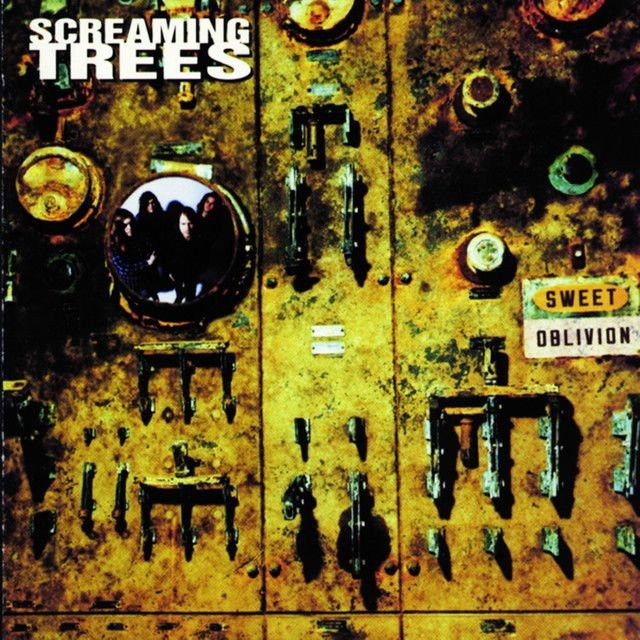
Screaming Trees never became as commercially huge as some Seattle peers, though they were a major part of that scene and broke through most widely with “Nearly Lost You” from Sweet Oblivion (Wikipedia). Their history was also marked by internal tension; Lanegan later looked back on the group with mixed feelings, while outside accounts often noted the band’s constant friction (American Songwriter).
That context should not be forced into the lyric as biography. Still, it helps explain why a song like this feels convincing. Screaming Trees were very good at making instability sound lived-in rather than theatrical.
Final takeaway on the song’s meaning
The meaning of More or Less Screaming Trees is about reaching the point where pain becomes numb routine. Its road, darkness, and river images all point toward the same truth: the speaker no longer believes this connection can be saved.
What makes the song memorable is its refusal to dramatize that ending. It treats collapse as something cold, repetitive, and strangely calm. That makes the song less about a single argument and more about the drained silence that follows too many of them.
Disclaimer: This interpretation is based on the lyrics, the band’s documented style and history, and publicly available sources. As with many Screaming Trees songs, some ambiguity is part of the art.








