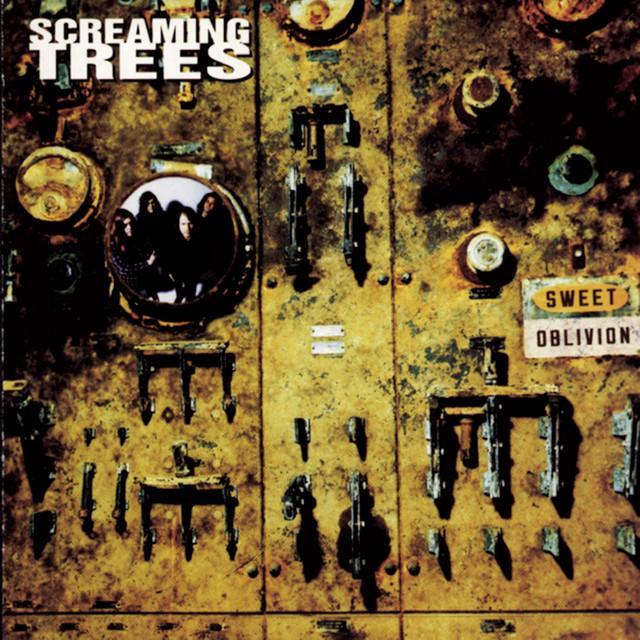
Nearly Lost You by Screaming Trees
The meaning of Nearly Lost You Screaming Trees starts with a near-disaster. The song captures the moment when someone realizes they came very close to losing a relationship, or losing themselves, because old habits kept pulling them back. It is vague on purpose, and that ambiguity is a big reason the song still works.
"Nearly Lost You" - Screaming Trees
Calling me back to my sin
Like the one you knew before
Loading lyrics...
Unable to load lyrics
We're unable to display the lyrics at this time. Please try again later.
Released in August 1992 as the lead single from Sweet Oblivion, the track became Screaming Trees' best-known song and also gained a wider audience through the Singles soundtrack. Factual details like its release, chart run, and credits are well documented by reference sources and discographic summaries. The song was written by Mark Lanegan, Gary Lee Conner, and Van Conner, and produced by Don Fleming.
A Near-Loss at the Center
On the surface, the lyric is about almost losing someone. The chorus keeps returning to that blunt admission: I nearly lost you there
. That line does not explain exactly what happened, but it makes the emotional stakes clear.
The verses add tension by showing a person pulled backward. They hear a call, and it seems tied to guilt, temptation, or an older version of themselves. When the lyric mentions calling me back to my sin
, it suggests relapse into a pattern they already know is dangerous.
Interpretation: Many listeners hear this as a relationship on the brink. Others hear addiction, self-sabotage, or depression. The song supports both readings because it avoids naming the crisis directly.
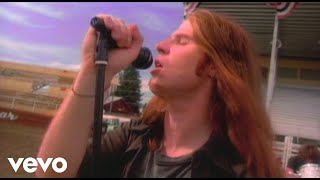
Watch the official Nearly Lost You
music video
Who They Seem to Be Speaking To
The song feels intimate, but it is not chatty or detailed. It sounds like someone talking to a partner, or perhaps to themselves through the image of another person. The repeated sense of return and regret gives the song a haunted quality.
A phrase like like the one you knew before
hints that the other person has seen this cycle already. That matters because it turns the song from a private breakdown into a shared history. This is not the first warning sign. It is another round of the same struggle.
How the Verses Build the Story
The song does not tell a full plot, but it gives a strong emotional sequence:
- A distant call pulls the singer backward.
- That pull is connected to guilt and old damage.
- They realize someone important could be lost.
- The aftermath feels stunned rather than resolved.
One of the strongest details is distant cry
, later echoed by a shift to distant lie
. That small change matters. A cry sounds real and urgent. A lie sounds deceptive. Interpretation: the thing calling them back may feel true in the moment, but it is actually false and destructive.
Another striking image is I'm blind every mile
. That suggests movement without clarity, as if they are going forward while unable to judge the cost. The song's world is active and dangerous, but mentally fogged.
Why the Chorus Hits So Hard
The chorus works because it is simple, repetitive, and unresolved. Instead of explaining, it circles the same shock again and again. That repetition mirrors panic after a close call.
The final phrase, let's try to sleep now
, is especially revealing. It does not sound peaceful. It sounds exhausted. After a night of conflict, confession, or collapse, sleep becomes less a comfort than a temporary escape.
Interpretation: this line suggests survival, not healing. They got through something, but the deeper issue may still be there.
Sound, Performance, and Emotional Weight
The music helps carry the song's meaning. Screaming Trees came from the Pacific Northwest scene, but their sound was never just one thing. On this track, they mix grunge muscle with psychedelic haze and classic hard-rock weight.
The guitars are thick but not rushed. The groove feels steady, which makes the emotional instability in the lyric stand out even more. Mark Lanegan's vocal is a huge part of the effect. He sings with a rough, worn-in tone that makes the words feel lived rather than performed.
Production also matters. Don Fleming produced the song, and the recording and mix team included John Agnello and Andy Wallace. The result is radio-ready without losing the band's darkness. That balance likely helped the single reach No. 5 on Billboard's Alternative Airplay chart and No. 12 on Mainstream Rock while also gaining extra exposure through Singles.
Why the Song Landed in 1992
Part of the song's power is timing. In 1992, alternative rock was breaking into the mainstream, and Screaming Trees were suddenly in a bigger spotlight. Even so, "Nearly Lost You" does not feel like a trend-chasing hit. It feels bruised, inward, and specific to Lanegan's style.
That may explain its staying power. Plenty of grunge-era songs were loud; fewer captured emotional backsliding this well. The track became the band's signature because it paired an accessible hook with real unease.
The Best Way to Read Its Ambiguity
The best answer to the meaning of Nearly Lost You Screaming Trees is that it dramatizes a moment of almost irreversible damage. That damage may be romantic, psychological, or chemical. The song refuses to choose one, and that refusal is the point.
By keeping the details blurred, Screaming Trees made a song about the terror of repeating what should have been left behind. The listener does not need a full backstory to feel the danger.
Disclaimer: This interpretation is based on the lyrics, performance, and historical context. Like many songs by Screaming Trees, "Nearly Lost You" remains open to more than one valid reading.







