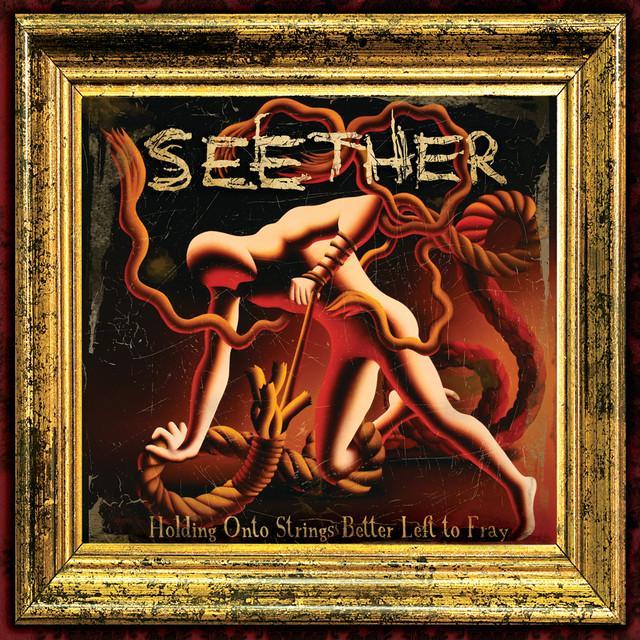
Country Song by Seether
The meaning of Country Song Seether lies in a sharp contradiction: it sounds like a fight with someone else, but it also feels like a fight to rebuild the self.
"Country Song" - Seether
Provided by LyricFindWell I can't stand to look at you now
This revelation's out of my hands
Still I can't bear the thought of you nowLoading...Loading lyrics...
Unable to load lyrics
We're unable to display the lyrics at this time. Please try again later.
Why This Song Hits Hard
Seether’s “Country Song” was released in 2011 as the lead single from Holding Onto Strings Better Left to Fray. It was written by Shaun Morgan, Dale Stewart, John Humphrey, and Troy McLawhorn, and produced by Brendan O’Brien. It became one of the band’s biggest crossover-era rock singles, reaching No. 72 on the Billboard Hot 100 and No. 2 on Hot Rock & Alternative Songs, while later earning Platinum certification in the United States.
For readers looking for the meaning of Country Song Seether, the key is that the title is slightly misleading on purpose. Shaun Morgan explained that the name came from the song’s swampy verse riff, and that recording in Nashville made it feel like a small homage to the city. He also said the song was, in part, about growing up and making better life choices.

Watch the official Country Song
music video
The Real Conflict at the Center
On the surface, the narrator is pushing back against a person who keeps crossing boundaries. Lines built around phrases like keep your sickness off me
and keep your fingers off me
suggest they feel invaded, judged, or emotionally contaminated.
That matters because the song never paints the other person as a simple villain. The narrator also sounds wounded and unstable. When they admit they cannot stand themselves, the song widens from confrontation into self-disgust.
Interpretation: This is why the track feels bigger than a breakup song. It may describe a toxic relationship, but it also sounds like someone trying to separate from habits, guilt, or dependency.
Who They Seem to Be Singing To
The song uses direct address, so it feels like the narrator is speaking straight at another person. That person appears to think they are helping. The repeated idea that you can save me
shows a rescuer dynamic.
But the narrator rejects that role. They do not want control disguised as care. In that sense, the song is about failed rescue. One person thinks they are fixing the damage; the other feels smothered by the attempt.
A Relationship Full of Mixed Signals
The verses suggest a cycle:
- The other person stays close.
- They offer judgment or advice.
- The narrator feels blamed and overwhelmed.
- The connection turns into resistance.
That pattern gives the song its emotional charge. It is not clean separation. It is a bond that keeps returning even after trust has broken down.
What the Chorus Really Means
The chorus is where the song’s emotional logic becomes clear. Phrases like my ship is sinking
and the party's all over
describe collapse, ending, and acceptance.
The sinking-ship image is especially important. It suggests the narrator knows things are going badly and may not be fixable. Yet the line does not sound purely panicked. It sounds resigned, almost stubborn.
Interpretation: The chorus says, “Things may be ruined, but that does not mean someone else gets to define the rescue.” That is why the hook feels both hopeless and defiant at once.
Images of Blood, Sickness, and Survival
Seether packs the lyrics with physical imagery. References to blood, sickness, fingers, and taste make emotional pain feel bodily. Instead of abstract sadness, the song gives listeners a sense of contamination and threat.
That physical language supports the theme of survival. The later plea to leave me alive
is dramatic, but it fits the song’s mood. This is not mild frustration. It is a desperate demand for space.
There is also a second layer here. If the other person represents bad influence, addiction, or self-destructive patterns, then those bodily images become even more powerful. The narrator is not just upset; they are trying to make it through intact.
How the Sound Carries the Message
Musically, “Country Song” is one of Seether’s most accessible hard-rock singles, but it still carries grit. The verse riff has a thick, swampy pull, which helps explain the title. Against that groove, the vocals sound tense and clipped, as if the words are being forced out through frustration.
Then the chorus opens wider. The melody becomes bigger and more anthemic, which mirrors the emotional move from private disgust to public declaration. The production keeps the guitars heavy without burying the hook, making the song feel radio-ready but still confrontational.
That balance is part of why the track connected so strongly in the U.S. rock market. It sounds catchy enough to sing along with, but the texture stays rough enough to preserve the pain.
The Title’s Small Joke and Bigger Meaning
One reason the song still gets discussed is that “Country Song” is not actually a country song. The title phrase never appears in the lyrics. According to Morgan, the band kept the name because it fit the riff and because they liked it, even when there was pressure to change it.
That choice fits Seether’s style. The title lowers the listener’s guard, then the song delivers something darker and more conflicted. In a way, the mismatch mirrors the lyrics themselves: what looks like help becomes pressure, and what sounds like surrender becomes resistance.
Final Take on the Meaning of Country Song Seether
The best way to understand the meaning of Country Song Seether is as a song about boundaries under pressure. It captures the moment when someone knows a connection is harmful, yet still struggles to separate from it cleanly.
Interpretation: Whether listeners hear a breakup, a fight with addiction, or a broader crisis of adulthood, the song’s power comes from that mix of exhaustion and defiance. It sounds like someone going under while still refusing to be owned.
Disclaimer: Song meaning is always part fact and part interpretation. This reading uses available artist comments, release context, and the lyrics’ imagery, but individual listeners may hear the song differently.








