Remedy by Seether: A Cure That Hurts
Seether's "Remedy" sounds like a release at first: a huge riff, a chant-ready chorus, and the kind of hook that sticks after one listen. But the meaning of Remedy Seether goes in a darker direction. The song uses the language of healing to describe something damaging, which is why it still hits so hard.
"Remedy" - Seether
And speak but don't pretend I won't defend you anymore you see
It aches in every bone, I'll die alone, but not for you
Loading lyrics...
Unable to load lyrics
We're unable to display the lyrics at this time. Please try again later.
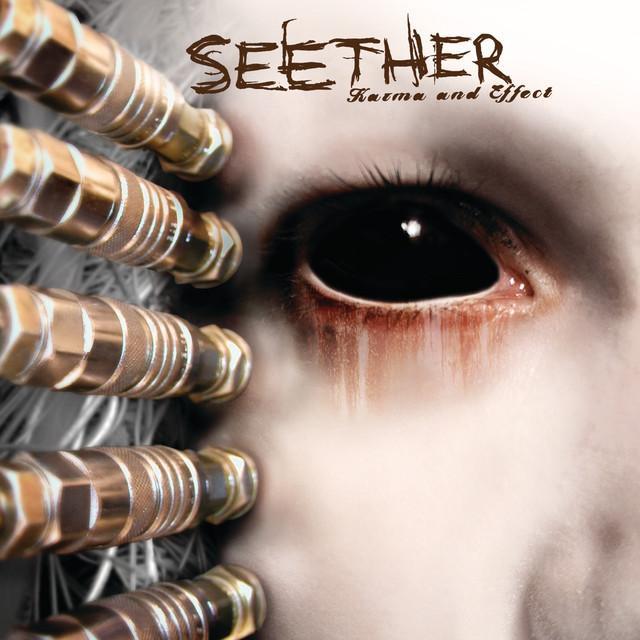
Released in 2005 as the lead single from Karma and Effect, "Remedy" was written by Shaun Morgan and produced by Bob Marlette. It became Seether's first No. 1 on Billboard's Mainstream Rock chart, where it spent eight non-consecutive weeks at the top. It also helped define the heavier identity the band wanted to show at the time.
The Core Idea Hiding in Plain Sight
At its center, the song is about a person trapped in a destructive cycle. Sources like Songfacts describe it as generally about addiction, with the title itself working as an ironic metaphor: the "remedy" is not a true cure, but the thing they keep returning to despite the damage.
That idea shows up right away. The voice in the song sounds defensive, exhausted, and painfully aware of what is happening. When they push people away and suggest distance, it feels less like confidence than self-protection. The repeated image of going back to the remedy
suggests relapse more than recovery.
Interpretation: Even if a listener does not hear the song as strictly about substance addiction, it still reads clearly as dependence. The "remedy" could be a drug, a toxic relationship, or any habit that promises relief while making things worse.

Watch the official Remedy
music video
A Narrator at War With Themselves
One reason the song lands so strongly is that the speaker sounds split in two. On one side, they want comfort and escape. On the other, they know the cost.
That tension comes through in phrases like die alone
and hold me back
. Paraphrased, the song presents someone who expects isolation yet also knows they need restraint. They do not trust themselves around the very thing they crave.
There is also a sharp sense of shame in the writing. When the lyric points inward with it's me you fear
, the voice stops blaming others and admits the damage has become visible. That self-awareness matters. The song is not about denial; it is about knowing the truth and still feeling stuck.
Why the Chorus Feels Like a Warning
The chorus is where Seether compresses the whole message into a few brutal images. The body is described as weak and worn down, and the pain never fully leaves. Then comes the idea of returning again and again to the same false cure.
The strongest image may be Clip the wings
. In plain terms, the song is talking about cutting off what gives a temporary high. The line suggests that the thing offering freedom is actually setting up the next crash. It is a vivid way of saying the escape must be stopped before it destroys the person chasing it.
Frail, the skin is dry and pale
the pain will never fail
That short passage turns the song physical. This is not abstract sadness. It feels lived in, bodily, and hard to hide.
Sound That Turns Meaning Into Impact
The production helps explain why "Remedy" became such a breakout rock single. According to American Songwriter, Morgan said it was one of the first songs he wrote with Bob Marlette during sessions in Los Angeles. He described building it from a riff Marlette encouraged him to keep, then shaping the track with programmed drums before adding lyrics and vocals.
That origin story fits the final sound. The riff is blunt and immediate, while the drums hit with a mechanical drive that mirrors compulsion. Everything in the arrangement pushes forward, like a mind locked into repetition.
Morgan later said he was proud of the song and that it still gets one of the best live reactions. He also explained that choosing "Remedy" as a single mattered because it represented the band's heavier side more honestly than some earlier choices. That context matters for the meaning of Remedy Seether: the song is not only lyrically intense, it is sonically built to feel like struggle with no easy exit.
Artist Context and Cultural Weight
Seether were already known in rock circles, but "Remedy" marked a bigger leap. It appeared on Karma and Effect and became a defining hit in the band's catalog. Its chart run and long radio life show how well its emotional directness connected with rock audiences in the United States.
The music video pushed that mood further. It places the band in a strange, theatrical setting and frames Morgan as a sinister showman guiding people toward harm. That visual choice matches the song's central irony: the thing being offered looks exciting, but it leads somewhere ugly.
The Most Useful Way to Read It Today
The best reading is also the simplest one: "Remedy" is about chasing relief that causes deeper pain. It captures the moment when a person knows the pattern is toxic but cannot fully break it.
That is why the song still feels current. Whether listeners hear addiction, emotional dependency, or self-sabotage, the emotional logic stays the same. The song turns a hard truth into a rock anthem: some cures are really poisons in disguise.
Interpretation disclaimer: This article offers a reasoned reading based on the lyrics, artist comments, and release context. Because Seether's writing leaves room for ambiguity, other interpretations may also be valid.








