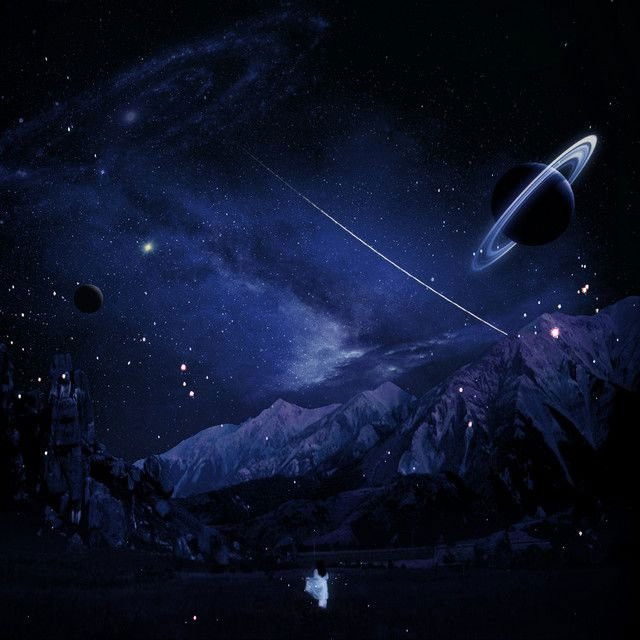
Why Seori's 'Fairy Tale' Hurts So Much
The meaning of Fairy Tale Seori comes down to a painful awakening. This is a song about trusting a beautiful promise, getting pulled deep into it, and then realizing that the promise was never solid in the first place. Instead of telling a simple breakup story, Seori frames that loss as the collapse of a dream.
"Fairy Tale" - Seori
Why didn't I know that?
Life hastens me
Loading lyrics...
Unable to load lyrics
We're unable to display the lyrics at this time. Please try again later.
What makes the song hit hard is how it mixes innocence with dread. The title sounds gentle, but the lyrics are full of fear, repetition, and emotional exhaustion. By the end, the speaker is not just sad about love ending. They are grieving the fantasy they built around it.
A Dream That Turns Into a Warning
At its core, the song describes someone waking up from emotional denial. Early lines point to broken expectations and confusion. When the lyric says dreams are bound to break
, it introduces the song's central truth: hope can feel necessary, but it can also set a person up for pain.
That idea deepens with the recurring question answer in what?
The phrase sounds fragmented on purpose. It suggests a mind searching for meaning after trust has failed. Rather than getting clarity, the speaker keeps circling the same empty question.
Interpretation: This is why the song feels larger than a breakup. It captures the moment when someone realizes they believed in a version of reality that could never hold.

Watch the official Fairy Tale
music video
The Speaker Is Trapped Between Fear and Hope
One of the strongest tensions in the song is the battle between self-protection and desire. The speaker wants to hide, to pull inward, and to avoid being swallowed by fear. Yet they also cannot fully let go of the person who hurt them.
That conflict appears in the line hope evil and sweet
. It is a sharp way to describe false hope. Hope tastes comforting, but it can also mislead. The song suggests that the speaker knows the relationship is harmful, yet still feels drawn back toward it.
There is also a sense of self-division. The lyrics mention talking to oneself and resisting whoever is metaphorically at the door. That creates the feeling of an inner argument: one part wants release, while another still responds to the old fantasy.
How the Chorus Changes the Whole Story
The chorus is where the song's message becomes clear. It repeats abandonment, loneliness, and a downward pull. The emotional cycle matters as much as the specific breakup. The speaker is not just left once; they feel stuck in a pattern where pain returns again and again
.
That repetition makes the final reveal more powerful. The closing idea, it's just a fairy tale
, is not whimsical. It is devastating. The phrase means the love they believed in now seems unreal, like a story that felt magical only because it was never tested by truth.
Why do you leave?
I'm alone
Those short lines strip the song down to its emotional base. Beneath the dreamy title and poetic images, the heart of the track is simple: someone kept believing, and someone else kept disappearing.
Symbols of Water, Doors, and Falling
The imagery helps explain why the song feels so immersive. Water is the biggest symbol. References to drowning, waves, and a river of fear suggest emotions that cannot be controlled. Water here is not cleansing. It is engulfing.
The door image adds another layer. A knock at the door can symbolize memory, temptation, or the return of pain. The speaker says they cannot stop, which implies that even when they understand the harm, they remain vulnerable to it.
Falling is another recurring feeling. The song keeps moving downward, emotionally and psychologically. That downward motion matches the loss of illusion. Once the fantasy cracks, the speaker does not land safely. They sink.
How the Sound Supports the Meaning
Seori is widely known for a dreamy, atmospheric style that blends indie pop and alternative textures, as heard across their catalog and official releases on Seori's YouTube channel and artist profiles such as Spotify. That style matters to this song's meaning.
In a track like "Fairy Tale," soft ambience and airy vocals can make pain feel distant at first, almost beautiful. That contrast is important. The production does not fight the fairy-tale image; it creates it. Then the lyrics slowly expose the darkness underneath.
Interpretation: If the arrangement feels hazy or floating, that mirrors the speaker's emotional state. They are suspended between belief and knowledge, between enchantment and collapse. The gentleness of the sound makes the realization hurt more, not less.
Songwriting Context and Emotional Design
The song was written by Seung Soo Kim and So Hyun Baek, according to the details provided in the prompt. That fits the lyric design: the words are compact, repetitive, and emotionally direct rather than overly detailed. The writing leaves room for listeners to step into the experience.
This matters for the meaning of Fairy Tale Seori because the song is built less like a story with clear scenes and more like an emotional loop. Questions return. Fear returns. Belief returns. The listener feels the trap instead of just hearing about it.
One Song, Two Strong Readings
There are at least two convincing ways to read the track:
- Romantic reading: It is about loving someone unreliable and finally seeing that their affection was an illusion.
- Inner-life reading: It is about being attached to a comforting fantasy, even when reality keeps proving it false.
Both readings work because the lyrics stay open. They focus on feeling rather than facts.
The Lasting Meaning of "Fairy Tale"
What stays with listeners is not just heartbreak, but embarrassment, confusion, and grief over misplaced faith. The song understands that losing a person can also mean losing the story they helped create.
That is the real meaning of Fairy Tale Seori: not every dream is a lie, but some dreams survive only because they are never forced to face reality.
Interpretation disclaimer: Song meaning is never fully fixed. This reading is based on the lyrics provided, Seori's artistic style, and common listener interpretations.









