Why 'Ratamahatta' Feels Like Controlled Chaos
The meaning of Ratamahatta Sepultura is not hidden in a deep plot. It is carried by noise, rhythm, and cultural symbols. Sepultura turn a few repeated words, street-level images, and named Brazilian icons into something bigger: a song about national identity, urban pressure, and collective force.
"Ratamahatta" - Sepultura
Biboca garagem favela, biboca garagem favela!
Fubanga maloca bocada, fubanga maloca bocada!
Loading lyrics...
Unable to load lyrics
We're unable to display the lyrics at this time. Please try again later.
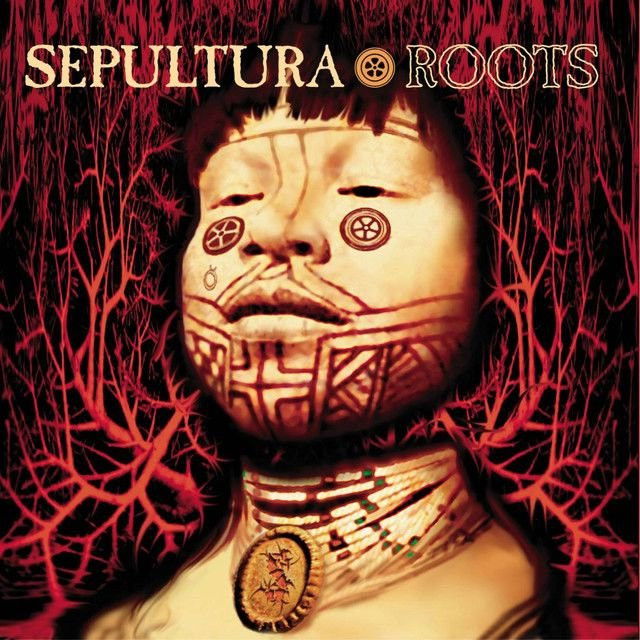
Released as a single from Roots in October 1996, the track became one of the band's best-known songs and the last Sepultura single with Max Cavalera as frontman, according to available release histories and credits. Those facts matter because Roots was the era when the band leaned hardest into Brazilian rhythms and percussion while still sounding brutally heavy.
More Vibe Than Story, More Ritual Than Verse
On the page, the lyric looks almost fragmentary. They repeat street words and place names, count off the beat, and chant names like Zé do Caixão
, Zumbi
, and Lampião
. Rather than tell a narrative, the song builds a world.
Interpretation: the point is not to explain Brazil neatly for outsiders. The point is to throw listeners inside a fast, crowded, aggressive sonic collage. Terms tied to poor urban spaces and rough slang make the setting feel grounded, local, and unsanitized. Even if some listeners do not know every word, they can feel the tension between pride and disorder.
That is why the hook Ratamahatta
works. It sounds like a battle cry, a drum syllable, or a made-up street chant. Its exact meaning is less important than its effect. It unites the track the way a crowd chant unites bodies in motion.
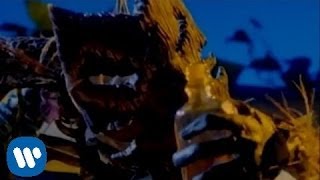
Watch the official Ratamahatta
music video
The Brazilian References Are the Key
One of the smartest ways to approach the meaning of Ratamahatta Sepultura is to focus on the names. Zé do Caixão is the iconic horror character created by José Mojica Marins. Zumbi points to Zumbi dos Palmares, a symbol of Black resistance in Brazilian history. Lampião was the famous cangaço bandit leader from Brazil's northeast.
Put together, those figures create a gallery of outlaw, rebel, and folk-myth energy. They are not random. They represent horror, resistance, and defiance. Sepultura use them like cultural shorthand.
Interpretation: the song suggests that Brazilian identity is not polite or tidy. It is haunted, rebellious, and made in conflict. Instead of borrowing myth from Europe or the United States, the band pull myth from home.
City Divides and Street Language
Another important lyric move is the contrast between Hello uptown
and hello downtown
. In simple terms, the song greets different parts of the city, then smashes them into the same chant. That matters because Ratamahatta keeps returning to social spaces shaped by class and geography.
Words tied to alleys, garages, and favelas make the environment feel improvised and precarious. The language sounds lived-in, not literary. They are not painting a postcard. They are presenting Brazil as loud, unequal, inventive, and impossible to reduce.
Interpretation: the song may be heard as a rough roll call of urban Brazil. Rich areas, poor areas, center, edge, all get pulled into the same pulse. The repeated greetings do not solve those divisions, but they place them in the same frame.
Why the Music Matters as Much as the Words
The song's meaning would shrink if it were played softly. On Roots, Sepultura worked with producer Ross Robinson, and Ratamahatta
became one of the album's most percussive tracks. It also features Carlinhos Brown on backing vocals and David Silveria on percussion, details often noted in release credits.
That production is not decoration. It is the message. The drums and layered percussion make the song feel physical before any lyric lands. The guitars lock into a groove rather than chase speed, which gives the chant room to hit harder. The result is part metal song, part street procession, part ritual stomp.
Um, dois, três, quatro
the count-in kicks open the track,
then the chant takes over the space.
That brief opening matters because it frames everything as communal action. Someone counts, everyone enters. The song does not sound like private confession. It sounds like a crowd forming.
The Video Strengthens the Song's Meaning
The stop-motion video helped fix the song in popular memory. Its strange, exaggerated imagery matches the track's surreal aggression. Instead of making the song cleaner or easier, the visual world leans into grotesque symbolism and carnival-like distortion.
Interpretation: that visual style supports the idea that Ratamahatta is about identity under pressure. It is playful, ugly, and theatrical at once. That mix mirrors the song's own balance of menace and celebration.
So What Is the Song Really Saying?
At its core, the meaning of Ratamahatta Sepultura is about turning Brazilian cultural fragments into power. The song does not argue a thesis in plain language. It performs one. Through repetition, percussion, and named symbols, Sepultura say that the streets, the margins, and the myths of Brazil belong inside heavy music.
There is also a deeper reason the track lasted. It feels open enough for many listeners: some hear resistance, some hear chaos, some hear national pride, and some just hear unstoppable rhythm. All of those readings fit because the song is built from impact more than explanation.
Final Take
Ratamahatta endures because it makes culture feel physical. They do not describe identity from a distance; they pound it into the floor toms and shout it back as chant. That is why the song still feels alive.
Disclaimer: This article offers informed interpretation based on the recording, lyrics, and historical context. Song meanings can remain open, and different listeners may hear different ideas in the track.







