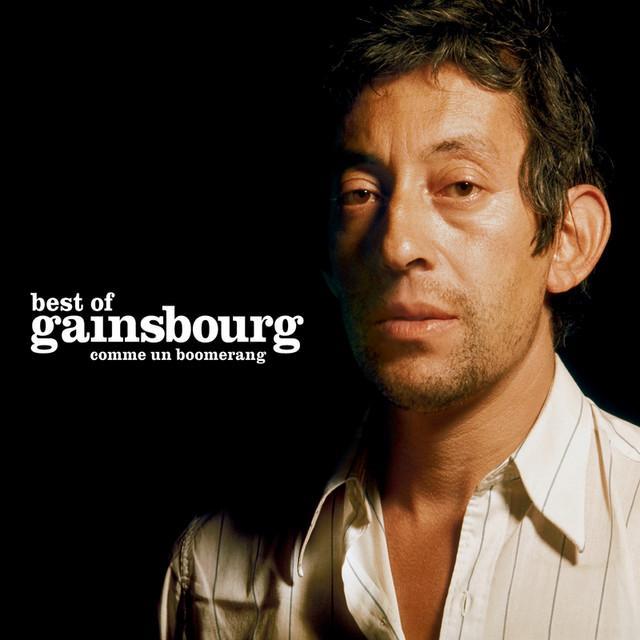
Comic Strip by Serge Gainsbourg
Why this playful song means more than it says
The meaning of Comic Strip Serge Gainsbourg starts with a simple idea: they turn flirtation into a comic book. The song sounds light, fast, and funny, but beneath that surface it is also about performance. Romance is not shown as deep confession. Instead, it becomes a world of poses, action bubbles, bright effects, and controlled fantasy.
"Comic Strip" - Serge Gainsbourg
Viens faire des bull's, viens faire des wip
Des clip crap des bang des vlop et
Loading lyrics...
Unable to load lyrics
We're unable to display the lyrics at this time. Please try again later.
Serge Gainsbourg was known for mixing wit, provocation, and pop experimentation across his career, as major biographies and catalog histories note (Britannica, AllMusic). That background matters here. This is not just a novelty song. It is a carefully designed piece of pop art that borrows the language of mass culture to talk about attraction.
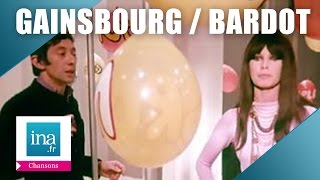
Watch the official Comic Strip
music video
A romance drawn like a pop-art panel
At the center of the song, the speaker invites someone into an invented universe. The opening phrase viens petite fille
is direct and theatrical. They are not simply asking for company. They are asking the other person to enter their stylized world, a place where ordinary emotions are replaced by comic-strip motion and noise.
That matters because the song treats desire as spectacle. Instead of describing feelings in detail, it throws out sounds, gestures, and quick scenes. There are no long reflections. There are impacts, leaps, kisses, and visual flashes. In plain terms, the song says: come into this fantasy, and let the fantasy do the talking.
Interpretation: this can be heard as seductive fun, but it can also sound like a comment on how pop culture packages intimacy. The relationship is filtered through a cartoon frame, making it exciting but also a little artificial.
How the lyrics turn sound into pictures
The song’s most famous trick is its stream of onomatopoeia. Phrases like Shebam pow blop wizz
and clip crap
act like drawn sound effects. They mimic exploding panels, superhero fights, and slapstick movement.
Rather than telling a story in a normal way, the lyrics create a sequence of snapshots:
- The speaker makes an invitation.
- The pair rise above the city.
- Action and danger appear in comic form.
- The flirtation ends in a kiss-like punchline.
That is why the repeated sounds matter. They do not just add fun texture. They replace realistic language. The song becomes less about what happens in literal terms and more about how it feels in media form: fast, glossy, exaggerated.
The speaker’s charm also hints at control
The voice in the song is playful, but it is also commanding. They promise movement, adventure, and protection. A phrase like par dessus les buildings
gives the song its elevated, superhero quality. The speaker seems to guide every scene, as if directing both the action and the other person’s role inside it.
Later, the mood shifts slightly. The reassurance around fear and safety is tied to more comic-book crashes and smacks. Then comes embrasse-moi smack
, which folds affection into a sound effect. Even the kiss becomes part of the cartoon design.
Interpretation: this creates a double effect. On one level, it is breezy and sexy. On another, it suggests that the speaker prefers images and control over mutual emotional openness. The song stays charming partly because it never slows down long enough to face that tension directly.
Why the production feels like a printed page in motion
The arrangement helps explain the meaning of Comic Strip Serge Gainsbourg just as much as the words do. Gainsbourg often drew from Anglo-American pop styles while filtering them through French songwriting craft (The New York Times). Here, the beat is lively and the delivery is clipped, which makes each phrase hit like a panel cut or visual gag.
The repetition is crucial. The hook returns again and again, like a bold graphic repeated across frames. The vocals are less about emotional belting than about attitude and timing. That choice supports the song’s theme: style is the message.
The music also carries a 1960s pop-art spirit. Comic books, advertising, and youth culture were all crossing into mainstream art in that era. By using those sounds and images, Gainsbourg places the song inside a larger cultural moment, where high art and mass culture were blending more openly.
Two strong readings of the song
Reading one: a gleeful seduction game
The most obvious reading is that the song is playful flirtation. They offer excitement, escape, and fantasy. The comic-book sounds make desire feel young, kinetic, and unserious in a good way.
Reading two: a sly satire of pop desire
A second reading is sharper. The song may be poking fun at the way media turns love into clichés, action poses, and marketable surfaces. In this view, the exaggerated effects are the point. Real feeling is buried under branding, genre, and noise.
Both readings can be true at once. Gainsbourg often worked in that in-between space, where a song could be catchy and ironic without choosing only one side.
The lasting takeaway behind the noise
What keeps the song memorable is not a deep narrative but a smart concept carried all the way through. comic strip
is more than a setting. It is the song’s worldview. Attraction becomes something drawn, staged, and burst into sound.
That is the clearest meaning of Comic Strip Serge Gainsbourg: they transform seduction into pop art, then let listeners decide whether that feels liberating, shallow, or both. The song is fun on first listen, but its cleverness comes from how fully it replaces emotional realism with a cartoon language of speed, impact, and style.
Disclaimer: This interpretation is based on the lyrics, recording style, and known artistic context. As with many Gainsbourg songs, multiple readings are possible.








