How “Empty Walls” Turns Grief Into Protest
Why This Song Still Hits Hard
The meaning of EMPTY WALLS Serj Tankian comes into focus fast: this is a protest song about war, denial, and the way violence gets repeated when people stop seeing each other as human. It sounds furious, but its anger is not random. They aim it at public numbness, political theater, and the habit of hiding behind ideas while real bodies suffer.
"EMPTY WALLS" - Serj Tankian
Your empty walls
Pretentious attention
Loading lyrics...
Unable to load lyrics
We're unable to display the lyrics at this time. Please try again later.
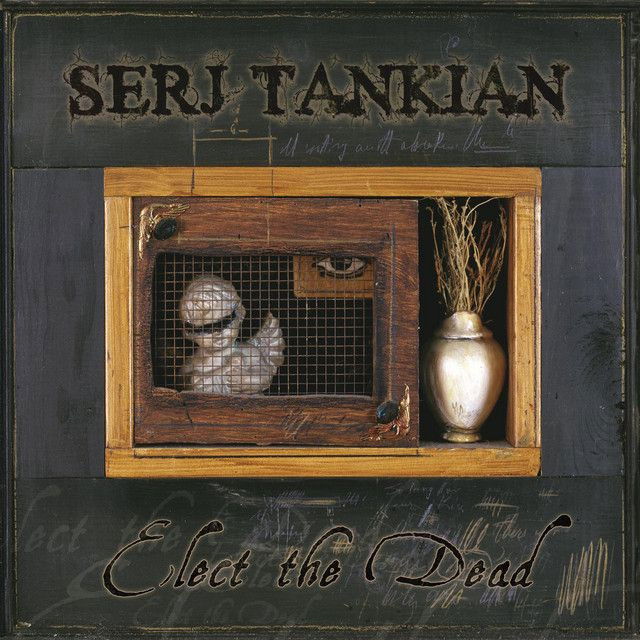
Released in 2007 as Serj Tankian’s debut solo single and the opening track of Elect the Dead, the song arrived at a time when the Iraq War was still shaping public debate. According to the song’s release history, it also became one of Tankian’s stronger charting solo rock singles, reaching No. 3 on U.S. Alternative Airplay and No. 4 on Mainstream Rock. That matters because it shows how a confrontational political song still broke through to a broad audience.

Watch the official EMPTY WALLS
music video
Behind the Title: What the “Walls” Mean
The title image does a lot of work. On the surface, empty walls
sound like a bare room or a hollow space. In context, they suggest emotional distance, empty patriotism, and mental barriers that keep people from facing consequences.
When the lyric mentions the confines of our mind
, the song points inward as much as outward. The walls are not only governments or media systems. Interpretation: they are also the stories people tell themselves to avoid guilt, grief, or responsibility.
That is why the song feels accusatory. It does not let listeners sit comfortably outside the problem. Tankian frames violence as something enabled by public habits of looking away.
A Chorus Built on Refusal and Witness
The key message of the chorus is not subtle. The repeated image of being left behind those walls sounds like punishment, but also like exposure. The song pushes the listener to finally see what has been hidden.
One of the sharpest moments comes when Tankian insists on direct witness through the phrase Don’t you see
. He follows that with images of bodies, fire, yearning, and intoxication. Paraphrased, the idea is that people are surrounded by suffering but still act detached, distracted, or sedated.
Don't waste your timeon coffins todayWhen we declinefrom the confines of our mind
This is the song’s strangest twist. At first, “don’t waste your time” sounds dismissive, almost cold. But in context it reads more like a warning: do not reduce tragedy to ritual, spectacle, or empty mourning while refusing to confront the mindset that created it.
The Most Personal Line in the Song
Near the end, the lyrics suddenly get more intimate. Tankian shifts from public horror to private loss with You killed my family
. That line changes the scale of the song.
Before that moment, the lyrics can sound like a broad anti-war statement. After it, the song becomes painfully personal. Interpretation: Tankian may not be naming one literal event so much as collapsing many kinds of wartime grief into one voice. The effect is to stop war from feeling abstract.
That move also complicates the song’s anger. This is not just ideological critique. It is grief speaking in a voice that has been pushed past politeness.
How the Music Carries the Meaning
“Empty Walls” is often described as a heavy alternative metal track, and the arrangement explains why its message lands so forcefully. The guitars hit in blunt, driving patterns. The drums push forward without much softness. Tankian’s vocal delivery leaps between melody, barked urgency, and theatrical emphasis.
That mix creates tension between control and chaos. The verses feel tightly wound, while the chorus opens into something bigger and more relentless. They sound like someone trying to break through public static.
There is also a sharp contrast between catchy structure and brutal subject matter. That contrast matters. The song is memorable enough to pull listeners in, then unsettling enough to deny easy comfort.
The Video Gives the Song a Clear Political Lens
While the lyrics can stand on their own, the music video makes the historical frame much clearer. Directed by Tony Petrossian, it uses children’s play to mirror 9/11 imagery, the War on Terror, and the Iraq War. That includes toy towers, war games, and the final image of a flag-draped coffin.
Those scenes turn the song’s metaphor into social critique. The point is not that children are cruel. The point is that adults normalize violence so deeply that it can be reenacted like a game.
That idea deepens the title. “Empty walls” are not only private defenses. They are cultural spaces filled with slogans and spectacle but emptied of empathy.
One Song, Two Strong Readings
There are at least two credible ways to hear the track:
- Political reading: It condemns post-9/11 revenge logic and the wars that followed.
- Psychological reading: It attacks denial itself, especially the way people numb themselves to mass suffering.
These readings work together rather than compete. The song argues that public violence begins with private moral emptiness.
Why It Endures
The meaning of EMPTY WALLS Serj Tankian still feels current because its target is larger than one news cycle. It is about what happens when grief becomes propaganda, when rage becomes policy, and when people mistake distance for safety.
Tankian does not offer a neat solution. They offer confrontation. That is why the song still lands: it demands that listeners look past the walls they live behind.
Disclaimer: This article offers informed interpretation based on the lyrics, release context, and video imagery. As with any song, meaning can remain open to multiple valid readings.







