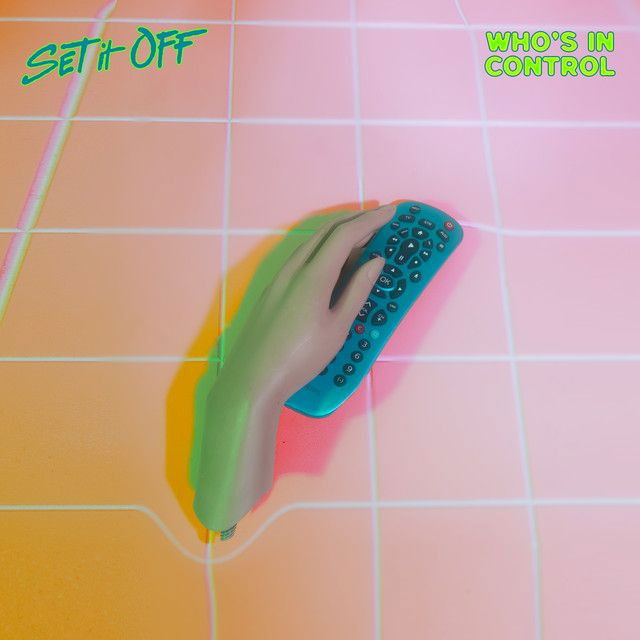
Who’s In Control by Set It Off
The meaning of Who’s In Control Set It Off centers on pressure, manipulation, and the scary moment when someone realizes their life no longer feels fully theirs. In this song, Set It Off turn that feeling into a tense pop-rock anthem. The narrator sounds trapped between fear and dependence, asking whether they are still making their own choices or simply reacting to someone else’s power.
"Who’s In Control" - Set It Off
Am I just a musical machine for ransom?
I will only listen if you scream
Loading lyrics...
Unable to load lyrics
We're unable to display the lyrics at this time. Please try again later.
Set It Off are an American rock band from Tampa, Florida, formed in 2008, led by Cody Carson alongside Zach DeWall and Maxx Danziger, according to widely cited band histories and discography references. The song arrived on February 18, 2022 as a single from Elsewhere, which followed on March 11, 2022. Those facts matter because Elsewhere leaned into glossy, theatrical pop-rock while keeping the band’s dramatic edge, making this track’s theme of emotional instability fit the album’s world.
The Song’s Main Conflict Is Power
At its core, the song asks a simple but painful question: when a relationship becomes unhealthy, who is really steering the situation? The narrator feels pulled apart by someone whose influence has become overwhelming. They are not just sad or angry. They are disoriented.
That is why lines like who’s in control
hit so hard. The phrase is repeated like a panic loop. Instead of giving a clear answer, the song stays inside uncertainty. That choice makes the listener feel the same fog that the narrator feels.
Interpretation: this is less about one argument and more about a pattern of emotional domination. The other person may not literally control every move, but their presence has become so intense that the narrator starts surrendering agency.
Watch the official Who’s In Control
music video
Puppet Strings, Machines, and a Lost Voice
One of the smartest parts of the writing is its imagery. Early on, the song compares the narrator to an object that can be activated on command. The phrase pull the string
suggests a toy or puppet. Soon after, musical machine
makes the speaker sound manufactured, useful, and disposable.
That imagery matters because it removes personhood. Instead of being treated as an equal, the narrator feels like a device built to perform. The song deepens that idea with lose your voice
, which suggests a relationship where self-expression has become painful. They can still speak, but the emotional cost is too high.
Living in fear, living afraid
Hysterical every day
This brief passage sums up the emotional climate. The song is not calm enough to be merely reflective. It lives in panic, where fear becomes routine.
The Chorus Turns Confusion Into the Point
The chorus is the emotional center of the track. It does not offer revenge, escape, or even clear blame. Instead, it circles the same doubt until that doubt becomes the message.
When the narrator admits I don’t know
, the song reveals something important: loss of control often begins inside the mind before it shows up in obvious actions. The person under pressure starts questioning their own judgment. That is a classic sign of emotional imbalance, whether the cause is a toxic partner, a manipulative authority figure, or even a destructive inner state.
Interpretation: the repeated line about life being in someone else’s hands can be heard literally as emotional surrender, but it can also suggest how fear itself takes over. In that reading, the enemy is not just a person. It is the narrator’s own paralysis.
A Sound Built for Anxiety
The production helps sell the meaning of Who’s In Control Set It Off just as much as the lyrics do. Set It Off have long mixed pop-punk, pop-rock, and theatrical elements, and by the Elsewhere era their sound had become sleek, punchy, and highly controlled. That polished style is perfect here because the song contrasts a tight, forceful arrangement with lyrics about unraveling.
The drums push forward without much room to breathe. The guitars and electronic touches add tension rather than comfort. Cody Carson’s vocal performance is especially important: he sounds sharp, urgent, and boxed in, as if every question is being forced out under pressure.
That creates a useful contrast. The music sounds disciplined, while the narrator feels unstable. In effect, the arrangement becomes the cage.
More Than One Reading Works
The most direct reading is a toxic-relationship song. The narrator feels used, stressed, and poisoned by another person’s influence. That reading fits the song’s language of fear, pressure, and emotional surrender.
But there is another possible angle. Because the lyrics never over-explain the situation, the song can also apply to fame, audience expectation, or performance pressure. Phrases about being activated and made to sing for others support that reading. Given Set It Off’s theatrical style and Cody Carson’s history as a visible frontman who first built attention online before the band’s wider rise, that broader interpretation feels plausible.
A third reading is internal. The controlling force could be anxiety itself. In that version, the song captures the moment when stress becomes so constant that it feels like an outside ruler.
Why the Song Connects
What makes this track stick is how clearly it captures a common feeling: the fear of waking up and realizing they have been living by someone else’s emotional rules. Set It Off do not make that idea abstract. They turn it into hooks, pressure, and vivid images.
For listeners, the song can feel cathartic because it names the confusion before freedom arrives. It does not pretend recovery is easy. It simply asks the right question again and again until the listener feels why that question matters.
That is the lasting power of the song. It is about manipulation on the surface, but underneath it is about reclaiming agency.
Disclaimer: This interpretation is based on the released lyrics, the song’s sound, and public artist context. As with most songs, meaning can vary from listener to listener.









