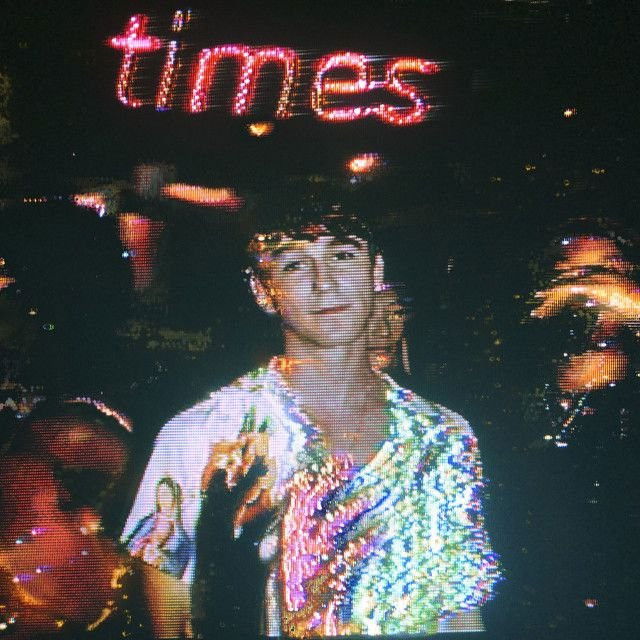
Chemicals by SG Lewis: Desire You Can’t Trust
The meaning of Chemicals SG Lewis comes down to a risky kind of attraction: the moment when desire, intoxication, and self-deception start to blur together. The song feels light on the surface, but its story is not casual. It captures a night where the narrator knows they are slipping, yet they still want the other person to stay.
"Chemicals" - SG Lewis
And finally, I'm fallin' under
But she would never give me away
Loading lyrics...
Unable to load lyrics
We're unable to display the lyrics at this time. Please try again later.
Released on April 24, 2020, “Chemicals” arrived as SG Lewis’s first solo single after work connected to Dua Lipa’s Future Nostalgia, as noted by The FADER. In that same report, Lewis said the song was about being persuaded to try something new by someone he was deeply infatuated with, and about the helpless thrill that follows. That real-world explanation matters because it turns the track from a vague club song into a very specific emotional memory.
Where the Song’s Tension Really Lives
At the center of “Chemicals” is a narrator who knows what is happening and cannot fully stop it. Early lines suggest awareness, even responsibility. The other person understands the power they have, and the narrator admits they are fallin' under
. In plain terms, they are losing control.
That loss of control is not presented as purely tragic. It is seductive. The narrator does not run from the danger; they negotiate with it. They want the person to remain in the room, in the night, and in the feeling. This is why the chorus matters so much: it turns chemistry into both an excuse and a confession.
When they suggest they can blame it on the chemicals
, they are doing two things at once:
- dodging responsibility
- admitting the feeling is overwhelming
- framing desire as something bodily and immediate
That double meaning gives the song its bite.

Watch the official Chemicals
music video
A Chorus About Excuses and Need
The hook is catchy, but its emotional logic is messy in an interesting way. The narrator says they may be seein' double
, which suggests intoxication, distorted vision, or emotional confusion. Yet in the same breath, they insist the other person is still the one they want.
That contradiction is the point. Even while perception is unreliable, desire feels certain. Interpretation: the song is asking whether intense attraction is real because it survives the haze, or less trustworthy because it is intensified by it.
There is also a strange phrase in the chorus about needing you both
. Taken literally, it sounds like impaired vision. But it also hints at split identity: the real person and the fantasy version created by the night. The narrator may be drawn to both.
If you stay
We could always blame it on the chemicals
Those lines summarize the whole song. Staying means choosing desire now and worrying about truth later.
The Verses Turn Pleasure Into Vulnerability
The second verse deepens the song by making the altered state feel almost clarifying. The narrator thinks they took too much, but then says everything looks clearer. That is a classic contradiction of nightlife songs: the mind is impaired, yet emotions feel brutally honest.
The image of wider lens
is especially useful. It suggests expanded perception, but not necessarily accurate perception. The narrator feels they finally see the situation for what it is. Interpretation: this could mean they are recognizing how deeply attached they have become, not that they are discovering any stable truth about the relationship.
Another key image is the other person putting poison in my cup
. This is not a literal accusation that needs to be read as fact. In song language, it works more like a symbol of temptation. The narrator knows this person brings danger, dependency, or emotional cost, but they are grateful anyway. That is what makes the song uneasy beneath its smooth groove.
Why the Sound Feels So Seductive
Part of the meaning of Chemicals SG Lewis comes from the production. The FADER described the track as a “slinky” summer song and reported that N.E.R.D./The Neptunes’ Chad Hugo played the lead synth line. That detail is important because the synth does a lot of narrative work.
The track moves with glossy restraint rather than explosive drama. Its disco-pop pulse keeps everything gliding forward, as if the night is too pleasurable to interrupt. The beat does not panic, even when the lyrics hint at overindulgence. That contrast makes the temptation feel believable.
This also fits SG Lewis’s larger style. In American Songwriter, Lewis described his album times as connected to presence, emotion, and dance music’s cathartic side. He often uses club textures not just for fun, but for conflicted feeling. “Chemicals” works in that same space: a dance track where pleasure and vulnerability are inseparable.
Context Makes the Song More Personal
Lewis told The FADER the song came from one specific night out in London, and that he started it with Julian Bunetta before Steph Jones helped finish the lyrics. The credited writers also include Chad Hugo and Marius Lauber. Knowing that origin helps explain why the song feels detailed rather than generic.
It is not just about partying. It is about a memory of being led somewhere new by someone magnetic, then realizing the emotional effect lasted longer than the night itself. The repeated plea for the person to stay sounds less like flirtation and more like a fear of losing the feeling once daylight returns.
The Strongest Reading of “Chemicals”
The best way to read the song is as a portrait of willing surrender. The narrator knows they are compromised, but they do not want rescue. They want closeness, even if it comes mixed with confusion.
That is why “Chemicals” lasts. It understands that attraction often feels most intense when people know it may not be good for them. The song gives that truth a soft, stylish sound, but it never fully hides the risk underneath.
Interpretation disclaimer: Song meaning is never completely fixed. This reading is based on the lyrics, the production, and SG Lewis’s public comments, but listeners may hear different shades of desire, intoxication, and emotional dependency in the track.









