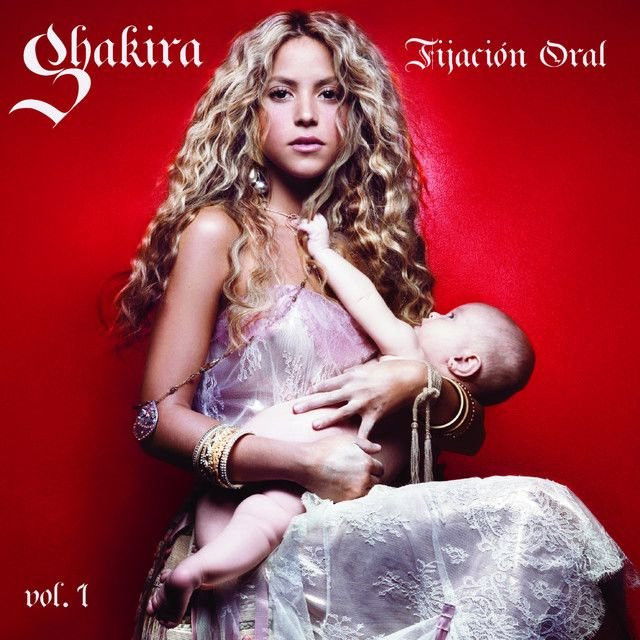
La tortura by Shakira, Alejandro Sanz
Shakira and Alejandro Sanz turn heartbreak into a standoff you can dance to. For listeners searching for the meaning of La tortura Shakira, Alejandro Sanz, the song maps the push-pull after betrayal: his pleas for forgiveness versus her resolve not to be fooled again. It’s raw, catchy, and morally clear even as it acknowledges pain.
"La Tortura" - Shakira ft. Alejandro Sanz
Guárdate la alegría pa' ti
(Dame, dámelo, oh-ah)
Loading lyrics...
Unable to load lyrics
We're unable to display the lyrics at this time. Please try again later.
Hearts in Negotiation: The Core Message
At its center, La Tortura is a conversation about boundaries. He admits he messed up and asks for another chance. She says the wound is real, and excuses won’t fix it. The title frames the emotional cost: not only losing love, but enduring the constant pressure to forgive before trust is rebuilt.
Shakira’s narrator refuses the quick reconciliation. He tries to soften the scene with promises, but she counters that love needs more than words. The torture isn’t only heartbreak—it’s the cycle of begging, bargaining, and backsliding.

Watch the official La Tortura
music video
Two Voices, One Standoff
The duet is a dramatic face-off. Alejandro Sanz’s character accepts blame—Yo sé que no he sido un santo
—yet he also negotiates terms that benefit him. Shakira’s character refuses to shoulder the emotional labor. Her English interjections sharpen the boundary: You say you love me
, but she’s clear that words won’t be enough.
She keeps agency throughout. When he asks her not to give up—No te rajes
—she makes it plain: she won’t keep investing in a one-sided promise.
What the Chorus Really Says
The hook captures both the ache and the limit of endurance. She names the hurt directly:
Ay, amor, me duele tanto Es una tortura perderte
Interpretation: It hurts terribly, but pain alone won’t justify taking him back. The chorus is catharsis without capitulation.
How the Story Unfolds
- Opening stance: She lowers expectations for perfection—
No pido que todos los días sean de sol
—but draws the line at lies and vanishing acts. - His confession: He admits wrongdoing and asks for time to fix it.
- The pivot: She rejects hollow promises, saying love must be lived, not only said.
- The bargaining: He even proposes a split-life arrangement (weekdays for her, a free Saturday for him), exposing his self-interest.
- The outcome: She walks away from the cycle, refusing to “cry today” over him again.
Idioms and Symbols That Cut Deep
La Tortura leans on vivid proverbs to show limits. The biblical-echo phrase But you can't live on bread alone
suggests love needs more than declarations; trust, fidelity, and consistency are the real nourishment.
She stacks impossible requests to explain why she’s done hoping: asking winter to spare a rosebush, or pears from an elm. These images mean people show you who they are; you can’t demand the impossible and call it love. When she mentions casting pearls before swine, she’s saying she won’t waste tenderness on someone who won’t value it.
He calls himself a remorseful man and a bird returning to its nest—images of instinct and homecoming. But instinct isn’t change. The song contrasts nature (habits) with choice (boundaries).
Rhythm as Pressure: Production Notes
The production fuses reggaeton’s dembow pulse with pop-rock drive and Spanish guitar flourishes. The beat is insistent, like a headache that won’t stop—mirroring the grinding pressure of apology and refusal. Shakira’s agile, serrated vocal cuts through the mix; Sanz adds a huskier warmth that sells contrition.
Drops and pauses work like sharp intakes of breath before another round in the argument. Even the hook’s singalong quality underlines the trap: it’s catchy because those cycles are familiar. Credits widely list Shakira and Lester Mendez as producers; the arrangement keeps verses tight, then explodes into a chorus where pain and pride collide.
Why This Duet Hit So Hard in 2005
As a Spanish-language single from Fijación Oral, Vol. 1, “La Tortura” arrived when reggaeton and Latin pop were bursting into global consciousness. Its hybrid sound felt modern without losing regional color. The bilingual lines also invited wider audiences without diluting the message.
Culturally, the song challenged a familiar script: the repentant man expects automatic forgiveness. Shakira flips that script. The dancefloor became a place to practice boundaries—singing along to a refusal instead of surrender.
Other Ways to Hear It
Interpretation: A satire of machismo. The man’s “deal” (weekdays for her, a free Saturday for him) is so lopsided it exposes the entitlement she’s rejecting.
Interpretation: A portrait of codependency. The title frames the pain as addictive; the groove is seductive, suggesting why people stay. Yet her final stance models an exit.
Takeaway
The meaning of La tortura Shakira, Alejandro Sanz is simple and sharp: love without respect is a grind. The track captures the ache of loss and the power of a boundary, proving that the strongest hook can be the word “no.”
Disclaimer: Song interpretations are subjective. This analysis reflects one informed reading based on lyrics, performance, and context.








