Why Shakira’s “Loca” Feels So Unapologetic
The meaning of Loca Shakira starts with a simple idea: this is a song about desire pushed to a dramatic edge. On the surface, it sounds like a carefree party hit. Under that bright energy, though, Shakira presents a narrator who is possessive, competitive, and fully aware that she is acting a little wild.
"Loca" - Shakira
Loca
Loca
Loading lyrics...
Unable to load lyrics
We're unable to display the lyrics at this time. Please try again later.
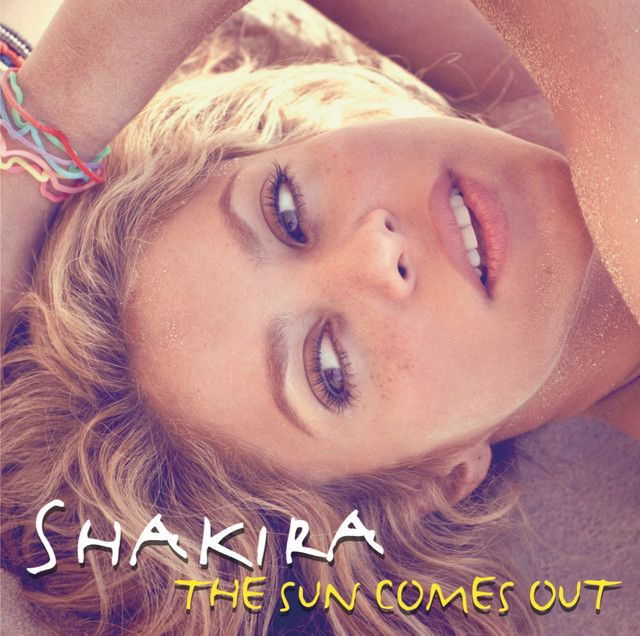
Released in 2010 as the lead single from Sale el Sol, “Loca” came in two main versions: a Spanish version with El Cata and an English version with Dizzee Rascal. It blends Latin pop with merengue, a style Shakira said she wanted to revisit because she “grew up listening to merengue” and missed it in her music. That background matters, because the song’s meaning is carried as much by motion and rhythm as by the words themselves.
More Than a Party Song
At its core, “Loca” is about romantic obsession dressed up as confidence. The narrator does not hide her jealousy. She sizes up another woman, claims emotional territory, and insists the man belongs with her.
Short phrases like dance or die
and crazy but you like it
make that attitude clear. They do not describe a healthy, quiet romance. They describe attraction that thrives on intensity, risk, and performance.
Interpretation: The song is not necessarily asking listeners to approve of the behavior. Instead, it turns extreme feelings into a pop character. Shakira often plays with bold, theatrical femininity, and “Loca” leans into that persona on purpose.

Watch the official Loca
music video
Jealousy as Performance
One of the most interesting parts of the song is how openly it stages rivalry. The narrator watches another woman, mocks her, and insists she cannot compete. Even when the lyrics sound playful, the emotional engine is insecurity mixed with swagger.
That is why a line like you’re the one for me
matters. It sounds romantic, but in context it is also territorial. The song keeps returning to the idea that love is something to claim in public, not just feel in private.
“And I’m crazy, but you like it”
“You like that it ain’t easy”
Those two lines are the closest thing the song has to a mission statement. The narrator admits she is difficult, intense, and maybe exhausting. But she also believes that unpredictability is part of her appeal.
The Hook Turns “Crazy” Into Power
The chorus is crucial to the meaning of “Loca” by Shakira because it flips a negative label into a kind of badge. “Loca” means “crazy,” but the song does not use the word as pure insult. It becomes identity, flirtation, and power all at once.
Instead of defending herself, the narrator takes the accusation and owns it. That creates the song’s tension. Is she truly out of control, or is she performing a version of chaos that keeps attention on her?
Interpretation: A strong reading is that “Loca” is about self-branding in romance. The narrator turns emotional volatility into charisma. In pop terms, that makes the song less about madness and more about refusing to be forgettable.
How the Sound Explains the Story
The production does a lot of storytelling. According to coverage of the song’s background, Shakira worked with El Cata after wanting to experiment more directly with merengue. The track became a horn-heavy merengue-pop hybrid with dance percussion and a fast, restless pulse.
That matters because the beat never settles. It pushes forward with the same impulsive energy the narrator expresses. The music sounds breathless, social, and physical, as if standing still would ruin the point.
The featured artists also change the texture. El Cata ties the song more directly to Dominican merengue roots, while Dizzee Rascal adds a sharper, more international club feel on the English version. Critics noticed that unusual combination at the time, with Billboard calling it a “jarring combination” and others praising its strange but catchy energy.
Shakira’s Context in 2010
“Loca” arrived right after the global visibility of “Waka Waka,” and it helped show another side of Shakira. Rather than going bigger and more universal, she pivoted into something looser, flirtier, and more rooted in Caribbean rhythm.
That choice fits Sale el Sol, an album often described as a return to core parts of her sound. In that setting, “Loca” feels like a statement of freedom: messy, physical, playful, and unconcerned with being polished.
The video reinforced that message. Shot in Barcelona in a spontaneous, street-level style, it showed Shakira skating, dancing, and moving through public space with a carefree attitude. She said she wanted to do something “more spontaneous” and “be free,” which matches the song’s emotional message.
Why It Connected So Widely
Commercially, “Loca” became a major international hit. The English version reached No. 32 on the U.S. Billboard Hot 100, while the Spanish version topped Billboard’s Hot Latin Songs, Latin Pop Airplay, and Tropical Songs charts. That success suggests listeners heard more than simple jealousy. They heard release.
The song works because it turns difficult feelings into movement. Jealousy, lust, rivalry, and insecurity are all there, but they are transformed into something danceable. That is one of Shakira’s gifts as a pop artist: she can package emotional mess in a way that feels alive instead of heavy.
The Last Word on “Loca”
So what is the meaning of Loca Shakira? It is the sound of obsession made playful, jealousy made performative, and chaos made magnetic. The narrator is not calm, and the song does not want her to be. It wants her to be impossible to ignore.
That is why “Loca” still works. It is not subtle, but it is self-aware. It knows that in pop music, intensity can be a costume, a confession, and a source of power at the same time.
Interpretation disclaimer: Song meaning is never fully fixed. This reading is based on the lyrics, production, artist context, and public commentary, but listeners may hear “Loca” differently.









