Chantaje by Shakira, Maluma
A pop–reggaeton duet that turns flirtation into a chess match, “Chantaje” (“Blackmail”) plays with control, desire, and the thrill of not knowing who’s winning. Here’s the meaning of Chantaje Shakira, Maluma, from the lyric dynamics to the production tricks that sell the push‑pull.
"Chantaje" - Shakira ft. Maluma
Te sientes sola y siempre estoy ahí
Es una guerra de toma y dame
Loading lyrics...
Unable to load lyrics
We're unable to display the lyrics at this time. Please try again later.
Why “Blackmail” Feels Like a Dance Invitation
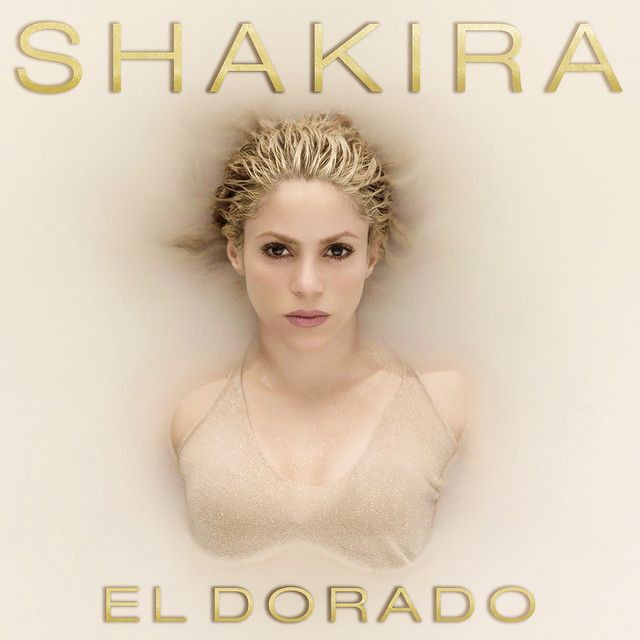
“Chantaje” was released in 2016 as the lead single for Shakira’s album El Dorado. The track pairs her with Maluma, another Colombian star, in a call‑and‑response that critics called a “battle of the sexes.” It topped Billboard’s Hot Latin Songs and earned massive certifications, confirming its broad appeal in the U.S. and beyond. The title frames the theme: emotional leverage. But the mood is playful, not bitter.

Watch the official Chantaje
music video
What the Song Is Really About
Interpretation: The core tension is consent versus control. He accuses her of playing games—calling their dynamic puro, puro chantaje
—while admitting he can’t stay away. She rejects the idea that she “belongs” to anyone and resists the labels that come with commitment. The result is a modern negotiation: two people setting terms in real time.
The meaning of Chantaje Shakira, Maluma — at a glance
- It’s a flirtatious power play, not literal extortion.
- Rumors and ego complicate trust.
- Freedom wins the chorus, even as desire drives the verses.
Who’s Speaking, and What Do They Want?
Two first‑person voices trade lines: the man, anxious and hooked; the woman, teasing and independent. His confession—Yo soy masoquista
—admits he keeps returning even when it hurts. Her retort—Con mi cuerpo, un egoísta
—calls him out for wanting control of her body and time.
He complains that it’s Siempre es a tu manera
. She refuses to be boxed in, answering with the song’s signature stance: No soy de ti ni de nadie
. The “blackmail” charge is less about threats and more about how desire itself becomes leverage.
How the Hook Flips the Power
The chorus reframes the story. He casts her allure as puro, puro chantaje
, suggesting she withholds or gives attention on her terms. But her response isn’t apology; it’s autonomy. When she declares she’s not anyone’s, she challenges the possessive script that often defines pop love songs. Interpretation: the hook says freedom is the real turn‑on—and the real boundary.
Symbols, Slang, and Subtext
- Freedom/air: She’s “free as the air,” which softens the sting of refusal by emphasizing self‑ownership rather than cruelty.
- Rumor mill: She shrugs off “bad propaganda,” calling out gossip that paints her as controlling. Interpretation: this nods to how public narratives can distort private relationships.
- Mixed signals:
Un día digo que no y otro que sí
captures the thrill and frustration of hot‑and‑cold romance. - Dance as persuasion: Her movement is a tactic and a language—a way to lead without “committing.”
The Sound of Seduction and Standoff
The production blends pop and reggaeton with tropical synths and a steady dembow groove. A pitched‑up vocal sample (“hola, mira”) opens the track, immediately setting a cheeky, come‑here energy. The arrangement stays minimal—bass, drums, synth stabs—so the vocal sparring is front and center.
Shakira sharpens her phrasing, almost percussive, while Maluma smooths his delivery. That contrast mirrors the narrative: sharp edges meeting soft insistence. The mix leaves space for hips and hook; you feel the push‑pull in the drop‑outs and the way the beat snaps back under the chorus.
Alternate Readings and the Last Word
- Power‑play romance: A consensual game where both enjoy the chase. His “masochist” line admits he’s in on it.
- Media critique: References to gossip suggest a meta‑story about celebrity dating and built‑in narratives of blame.
- Gender flip: Shakira has said she wanted to take control and represent the “careless” one. Interpretation: the song inverts expectations by letting the woman own freedom without being vilified.
In the video, she wears a pink wig, strolls through a market with a pet pig, and lures him into a club—images that extend the tease, mixing humor with seduction. It’s spectacle with a wink, just like the lyric.
Takeaway
“Chantaje” works because it’s honest about modern desire: chemistry is real, labels are negotiable, and control is a conversation. The hook stings, but the groove smiles.
Disclaimer: Song meanings are subjective. This reading combines lyrical analysis with publicly reported context and may differ from your own.







