Your Body Tells the Truth: Inside ‘Hips Don’t Lie’
They’ve heard it at weddings, clubs, and stadiums, but the meaning of Hips Don't Lie Shakira, Wyclef Jean still sparks questions. Beyond the catchy hook, this is a song about how the body tells the truth—especially on a dance floor where words can mislead.
"Hips Don't Lie" - Shakira ft. Wyclef Jean
No fighting
We got the refugees up in here (no fighting)
Loading lyrics...
Unable to load lyrics
We're unable to display the lyrics at this time. Please try again later.
When Movement Becomes the Message
At its core, the track argues that desire is honest in motion. Shakira frames dance as a kind of intuition, a way of reading the signs
without overthinking. The mantra is simple: hips don't lie
—the body will reveal what the mind might try to hide.
I’m on tonight
You know my hips don’t lie
And I’m starting to feel it’s right
Interpretation: The chorus turns physical rhythm into evidence of real attraction. If the groove feels right, that feeling is valid—no second-guessing required.

Watch the official Hips Don't Lie
music video
Two Voices, One Flirtation
Narratively, they switch viewpoints. Shakira sings in first person—confident, playful, and self-aware—announcing I’m on tonight
. Wyclef answers in observer mode, amazed by her presence and inviting the crowd in. Their back-and-forth makes the song feel like a live floor: she leads with movement; he emcees.
The bilingual asides heighten the tease. A tossed-off mi casa, su casa
isn’t deep poetry; it’s club shorthand for flirtation. The charm lies in how lightly it’s used—the words are less important than the chemistry surrounding them.
A Night Unfolds, Beat by Beat
Here’s the simple story the lyrics sketch:
- Spotting someone whose dancing can’t be ignored.
- Mutual surprise that the pull is instant and strong.
- Negotiating that tension with smiles, steps, and a slower sway.
- Owning the truth once the body answers.
A refrain of street-dance joy—baila en la calle
—broadens the scene from club to carnival. Interpretation: the romance is not private; it’s communal. The crowd witnesses and fuels it.
Rhythm as Proof: How the Track Sells the Idea
“Hips Don’t Lie” didn’t appear from nowhere. Wyclef Jean reworked his 2004 “Dance Like This” from Dirty Dancing: Havana Nights into Shakira’s world, keeping the Caribbean pulse and adding her lyric concept and vocals. The ear-grabbing trumpet flourish traces back to “Amores Como El Nuestro,” and the festive chant nods to “Carnaval.” Those interpolations, along with production by Wyclef, Jerry “Wonda” Duplessis, and Shakira, blend salsa brass, pop structure, and hip‑hop call-and-response.
Musically, the mix is engineered for hips: a clipped, syncopated groove; bright horns that cue motion; and a chorus that lands on an undeniable downbeat. The arrangement ebbs for verse flirtation, then swells for the hook—mirroring how shy glances become open signals.
Identity, Pride, and the “Refugees” Frame
Wyclef’s ad-libs and rap fold in Haitian and diasporic pride, linking personal chemistry to a larger community vibe. Shakira flags Colombian identity through Spanish lines, belly-dance inflections, and nods to Barranquilla Carnival pageantry in the video’s costumes and staging. Interpretation: the truth of the body is also cultural truth—dance carries history as much as heat.
Why It Took Over 2006 (And Kept Going)
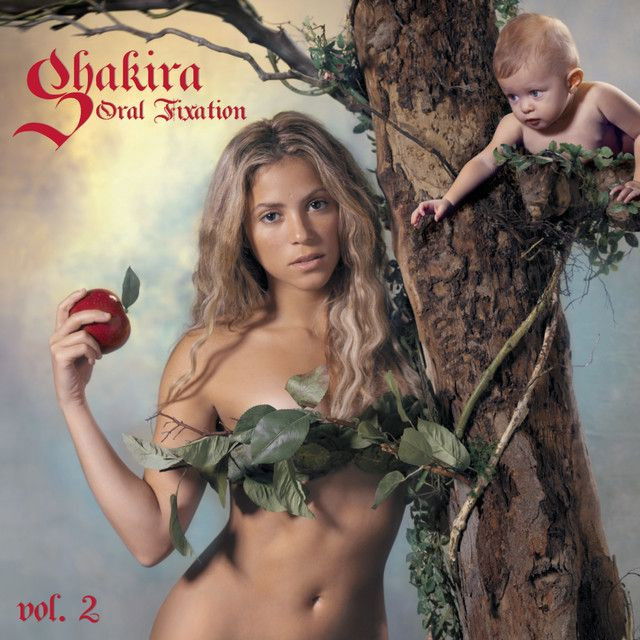
Released in 2006 and later added to Oral Fixation Vol. 2, the single rocketed worldwide and hit No. 1 on the Billboard Hot 100 in June. That same week it set a pop radio spins record, confirming it as a dominant “song of the summer.” Years later, Shakira brought it to the 2020 Super Bowl halftime, proof that the track’s cross-cultural magnetism never faded. In short: a universal message, a perfect beat, and star charisma.
Alternate Readings That Fit
- Empowerment: “My body speaks for me” becomes a boundary-setting claim. She decides how interest is shown—and when.
- Chemistry you can’t fake: The hook reads like a shrug—if the hips move, the heart has already voted.
Takeaway
The song’s secret is simple: it turns a private feeling into a public rhythm. On the floor, truth travels faster than speech—and it’s set to horns, handclaps, and a hook everyone knows.
Disclaimer: Song meanings are interpretive and can vary by listener; the above reflects one informed reading supported by credited history and production details.








