Why "Trouble" by Shampoo Still Clicks
Shampoo's "Trouble" sounds like a joke at first. It is loud, fast, funny, and built around one of the stickiest choruses of the 1990s. But the meaning of Trouble Shampoo is a little smarter than its sugar-rush surface suggests.
"Trouble" - Shampoo
Shampoo
Chorus:
Loading lyrics...
Unable to load lyrics
We're unable to display the lyrics at this time. Please try again later.
At its core, the song is about teenage freedom crashing into teenage limits. Two girls stay out too late, run out of options, and slowly realize the night that felt exciting is about to end badly. That simple story gives the track its comic energy. It is not a deep tragedy. It is a pop-sized disaster, told with a grin.
The Real Story Hiding Inside the Hook
The plot is easy to follow, which is one reason the song works so well. The singers have been out all night, they missed their ride, they have no money, and they know there will be consequences when they finally get home. The chorus sums it up in the famous cry Uh-oh, we're in trouble
.
That line matters because it blends panic and excitement. They are scared, but they are also thrilled by the mess. This is not a song about real danger so much as the everyday drama of being young, broke, and slightly reckless.
Interpretation: the song turns ordinary bad planning into a badge of attitude. Instead of sounding ashamed, they sound alive.

Watch the official Trouble
music video
Teenage Chaos, Step by Step
One of the best things about "Trouble" is how neatly it unfolds like a mini movie. Each verse raises the stakes a little more.
- They leave a great party and face the walk home.
- They cannot get a cab because they have no cash.
- They miss the last train and wait for a bus that never comes.
- Rain starts, the distance feels longer, and frustration builds.
- In the most ridiculous twist, they try stealing a car before realizing none of them can drive.
That last detail is key to the song's humor. When they admit none of us could drive
, the track fully reveals its cartoon logic. The girls are not hardened rebels. They are impulsive teens pretending to be tougher than they are.
Something's come along
and it's burst our bubble
Those lines capture the whole emotional turn. The "bubble" is the fantasy of a perfect night out. Reality pops it.
Who They Are in the Song
The voice of "Trouble" is first-person plural: a shared "we." That choice gives the track its social feeling. They are not alone in their panic, and that makes the story warmer and funnier.
Instead of one narrator confessing regret, the duo acts like partners in crime. Even when things go wrong, they stay united. The repeated use of "we" turns the song into a friendship anthem as much as a trouble anthem.
Interpretation: that shared voice helps explain why the song feels playful rather than moralizing. Nobody stops to give a lesson. They just race through the consequences together.
How the Sound Sells the Meaning
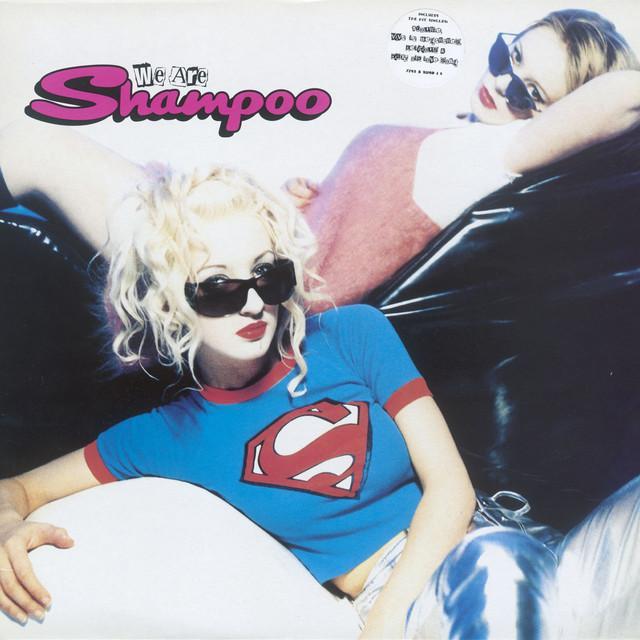
The meaning of Trouble Shampoo is not only in the words. It is in the production too. According to Wikipedia's entry on the single, "Trouble" was released in July 1994 as the lead single from We Are Shampoo, written by Caroline Askew, Jacqueline Blake, and Conall Fitzpatrick, and produced by Fitzpatrick.
Musically, it sits in bubblegum pop with noisy guitars, punchy drums, and cheerleader-style group energy. The tempo pushes forward like a sprint home after curfew. The vocals are more shouted than polished, which fits the song's bratty confidence.
That mix matters. A slower or moodier arrangement would make the story sound sad. Shampoo instead makes it sound like an adventure gone sideways. The bright beat and singalong chorus keep the disaster light.
Artist Context Makes a Difference
Shampoo built a style around teenage attitude, bold hooks, and a slightly trashy, playful image. "Trouble" became their breakthrough, reaching No. 11 on the UK Singles Chart and later appearing in pop culture far beyond its first release, including the Mighty Morphin Power Rangers: The Movie push and later film placements. NME even ranked it among the best songs of 1994, as noted in this song overview.
That context helps explain the song's meaning. It was made to feel immediate, bratty, and youth-driven. Critics heard both sides of it. Some treated it as novelty pop, while others praised its sheer catchiness. Both responses make sense.
The song is deliberately silly, but silliness is part of its point. It captures how teen problems can feel huge in the moment, even when adults would laugh them off.
More Than a Novelty Song?
Yes. Even though "Trouble" is funny, it also taps into a real teenage emotion: the moment when freedom starts to feel expensive. They wanted the party, the late night, the rebellion, and the thrill. Then reality shows up in the form of distance, weather, money, police, and parents.
That is why lines like we're gonna get killed
and gonna get fried
land as comic exaggeration. They do not suggest literal harm. They sound like teens dreading the angry lecture waiting at home.
Interpretation: the song's deeper idea is that youth often swings between swagger and helplessness. One minute they feel invincible. The next, they need a ride.
Why the Chorus Endures
The chorus lasts because it reduces a whole emotional experience into one chant. Everyone knows the feeling of saying, in effect, this has gone wrong fast. Shampoo turns that feeling into a communal yell.
That is also why the song traveled well into movies, TV, and later references. Its story is specific, but its emotion is universal: bad decisions, shrinking options, and a weird urge to laugh anyway.
Final Take on the Meaning of Trouble Shampoo
The meaning of Trouble Shampoo is simple in the best way. It is about teenage overconfidence meeting real-world limits, told through a night out that keeps getting worse and funnier. The song celebrates chaos without pretending chaos is glamorous.
What remains so appealing is the balance: panic and pleasure, rebellion and innocence, trouble and togetherness. Shampoo made a catchy pop song about being stranded, scolded, and still somehow having fun.
Disclaimer: This article offers an interpretation of the song based on its lyrics, sound, and public context. Meaning can vary from listener to listener.








