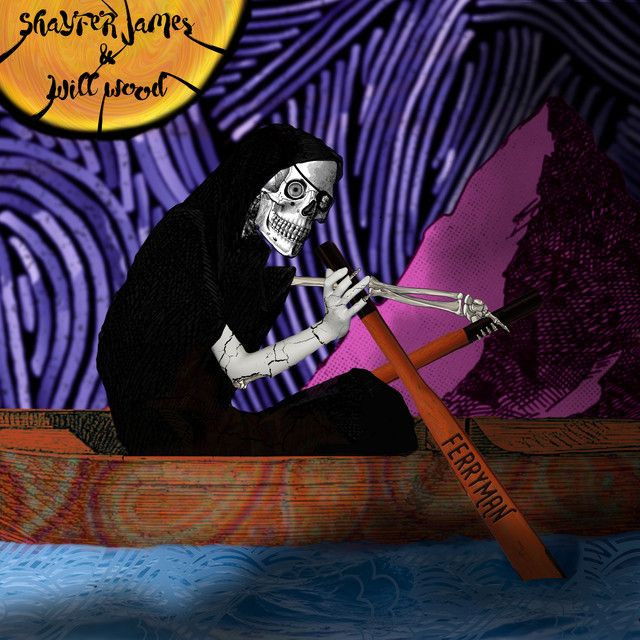
Ferryman by Shayfer James, Will Wood
A river runs through this song, but it isn’t water that moves it—it’s debt. The meaning of Ferryman Shayfer James, Will Wood centers on what people owe after choices made in secret rooms and shadowed hearts. With theatrical grit, the track stacks small sins until they feel like a final bill.
"Ferryman" - Shayfer James, Will Wood
Row, row down the stream
This is not a dream
Loading lyrics...
Unable to load lyrics
We're unable to display the lyrics at this time. Please try again later.
Death’s Bookkeeper: The Moral of the Tale
At its core, Ferryman is a fable about consequences. Each verse tells a compact crime-and-punishment story that ends with the same warning: your time is coming fast
. The chorus insists the collector won’t bargain—The Ferryman only deals in cash
—so remorse, apologies, or promises won’t erase what’s due.
Interpretation: Cash stands in for the real cost of actions. The song suggests there’s no tab to run and no credit line on character. What you do, you pay for.
Watch the official Ferryman
music video
Voices at the Oar: Who’s Speaking to Whom?
Two distinct narrators split the frame. Will Wood’s chant—Row, row down the stream
and This is not a dream
—sounds like a twisted lullaby, guiding listeners toward an unavoidable crossing. Shayfer James narrates the vignettes with a noir storyteller’s croon, tracking characters as they step toward their fate.
Interpretation: Together, they play ferryman and town crier. One rows, one reports. The audience becomes the passenger hearing the stories as the riverbank slides by.
Three Vignettes, One River
- Joe wakes bound in a motel bed on the Day of the Dead. A lover’s warning turns brutal, and the scene hints at cycles of pretend love, power, and retaliation.
- Ben, outed mid-flirt in a backroom, faces jealous rage. Desire crosses a line into control, and violence becomes the “payment” extracted.
- Jane and Ginger toast a clean slate, but forgiveness curdles into poison. Sweetness is weaponized; the bill arrives in a glass.
Each mini‑tragedy spirals toward the same refrain. The stories differ in setting—bedroom, pool hall, dinner table—but the pattern is fixed: secret, betrayal, and then the toll.
The Chorus as a Bill Collector
The hook’s insistence—The Ferryman only deals in cash
—turns the song into a ledger. It suggests there’s no symbolic currency accepted: not love, not promises, not future change. When paired with your time is coming fast
, the chorus compresses the wait between deed and debt. Interpretation: Consequences don’t just follow; they chase.
Symbols That Tighten the Noose
- The Ferryman: A nod to mythic passage, but here he’s less a guide than an accountant of souls.
- The River: Time moving one way. Once you push off, you can’t row back.
- Cash: Immediate, physical cost. No IOUs. No spiritual layaway.
- Day of the Dead: Memory meets mortality, making Joe’s scene feel fated.
- Champagne and poison: Celebration masking consequence, pleasure tilting into penalty.
Even a single line like People want each other
expands the theme. The lyric points out how desire collides with self-interest, and how that clash can bend love toward harm.
How Sound Sells the Story
The arrangement leans on minor‑key piano, theatrical vocals, and a lurching, carnival swing that feels like a boat yawing in dark water. James’s delivery threads menace through warmth, while Wood’s chant presses the inevitability of the ride. Dynamics rise with each vignette, so the chorus lands like a gavel.
Interpretation: The nursery‑rhyme cadence of Row, row down the stream
contrasts with the violence in the verses, making the moral hit harder. It’s the sound of denial cracking—playful on the surface, fatal underneath.
Alternate Routes Across the River
- Moral Reckoning: The most direct read—sin, then settlement. The Ferryman is consequence itself.
- Addiction Allegory: The cash is the cost of using; the river is compulsion. Each character toasts, flirts, or acts out in patterns they can’t escape.
- Social Judgment: The public settings (backroom, dinner) make shame and reputation part of the price. What’s hidden is dragged into the open.
None of these erase the death imagery. Instead, they widen the metaphor: death as the end of denial, the moment when pretending stops paying.
Final Landing: Why It Sticks
Ferryman lingers because it feels fair in an unfair way. The song doesn’t ask listeners to like its characters; it asks them to recognize the math. If choices are coins, the river keeps the change.
Shayfer James is credited as the writer, and the duet with Will Wood heightens the theater, turning a simple refrain into a judgment that feels both personal and universal. For listeners seeking the meaning of Ferryman Shayfer James, Will Wood, the answer is stark: the crossing is coming, and the toll is due.
Disclaimer: Song meanings are interpretive and subjective. This analysis reflects one informed reading based on lyrics, performance, and common symbolism.









