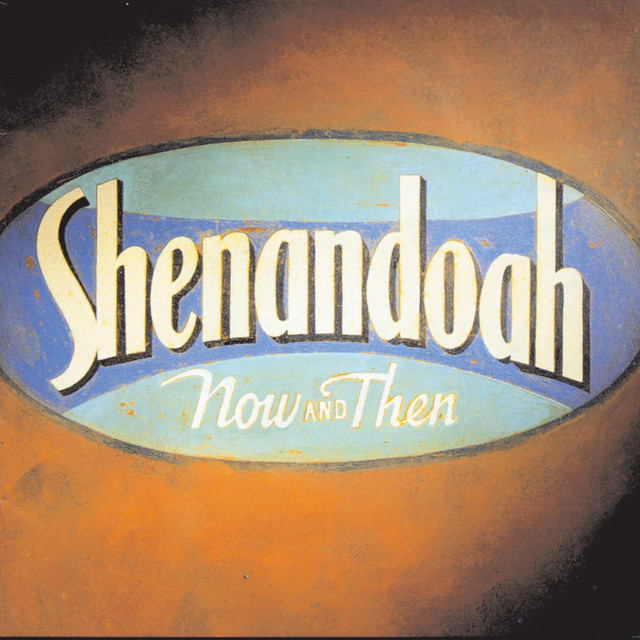
Why 'Two Dozen Roses' Still Hurts
The meaning of Two Dozen Roses Shenandoah comes down to one painful idea: love can be lost before someone understands its value. Shenandoah’s 1989 hit is built around regret, but it is not just a simple apology song. It is a song about replaying mistakes in the mind and wondering whether any grand gesture could undo them.
"Two Dozen Roses" - Shenandoah
I done you wrong and I wanna make it right
You said I'm not welcome here
Loading lyrics...
Unable to load lyrics
We're unable to display the lyrics at this time. Please try again later.
Released as a single from The Road Not Taken in August 1989, the track was written by Robert Byrne and Mac McAnally and produced by Rick Hall and Byrne. It became Shenandoah’s third No. 1 hit in both the U.S. and Canada, which shows how strongly its heartbroken theme connected with listeners. Those chart facts come from the song’s documented release history and performance data.[1]
A Love Story Told Too Late
At the center of the song is a speaker who has already failed. They arrive with flowers, hoping to repair what they broke, but the door is emotionally closed. When the song opens with I brought flowers
, it immediately frames the story as a last-minute attempt at repair rather than a healthy romance in progress.
That detail matters. The flowers are not spontaneous romance. They are damage control. The song makes clear that the other person has already decided, and the speaker knows it. Even so, they cannot stop imagining alternate outcomes.
Interpretation: this is what gives the song its ache. It is not really about roses or wine. It is about the human habit of bargaining with the past.

Watch the official Two Dozen Roses
music video
The Chorus Turns Regret Into Fantasy
The chorus is where the song’s emotional engine lives. Instead of promising change, the speaker asks whether bigger proof of love would have made a difference. Short phrases like two dozen roses
, older bottle of wine
, and hung the moon
push the apology into fantasy.
These images grow more unrealistic as the chorus continues. That is important because the song is not presenting a practical plan to win someone back. It is showing how regret becomes exaggerated. In a guilty mind, every small mistake starts to feel like the one thing that ruined everything.
The title image is especially sharp. A dozen roses is a common romantic gift. Two dozen feels excessive, almost desperate. The song uses that jump to show the speaker thinking, If ordinary love was not enough, maybe something larger, richer, and more dramatic would have worked.
What the Speaker Really Wants
On the surface, the speaker wants reconciliation. But underneath that, they may want something else: relief from guilt. When they wonder if they could change your mind
, they are also trying to change their own story about what happened.
That is why the line about sleep lands so well. The phrase less sleep at night
suggests that remorse has become physical. Regret is no longer just emotional; it is keeping them awake. They want forgiveness, but they also want proof that their pain means something.
Interpretation: the song quietly asks whether remorse counts if it arrives after the damage is done. Shenandoah never gives a clean answer.
Small Details, Big Symbols
Several symbols carry the song’s meaning without needing many words:
- Flowers represent a classic apology, but also a shallow fix.
- Wine suggests maturity and romance, the kind the speaker now wishes they had offered earlier.
- The moon image turns love into impossible perfection.
- Nighttime hints at loneliness, replayed memories, and private shame.
Together, these symbols show a person trying to solve an emotional wound with objects and grand ideas. The tragedy is that they already seem to know it will not work.
How Shenandoah’s Sound Deepens the Pain
Though the user provided the song as rock, Shenandoah’s hit recording is generally classified as country, specifically polished late-1980s country with crossover warmth.[1] That sonic setting matters to the meaning of Two Dozen Roses Shenandoah because the arrangement makes the regret feel both intimate and radio-ready.
The tempo is measured, never rushed. That gives the song a reflective pace, like someone thinking out loud after the argument is over. The lead vocal leans into plainspoken sadness instead of flashy melisma, which helps the words feel believable. Harmonies behind the lead create a soft, almost communal ache, as if the pain is bigger than one person.
The production also avoids hard edges. Rather than sounding angry, the track sounds resigned. That choice keeps the focus on longing, not blame. It is one reason the song aged well: heartbreak framed with restraint often lasts longer than heartbreak framed with drama.
Why the Song Connected So Strongly
Part of the song’s success came from its universal setup. Many listeners know the feeling of understanding a relationship only after it ends. Shenandoah turned that common feeling into a clean, memorable hook. The record reached No. 1 on Billboard’s Hot Country Songs chart and also topped Canada’s country chart.[1]
Its afterlife matters too. The song remained important enough that Shenandoah revisited it in 2023 with Luke Combs, a sign that its central emotion still speaks to new country audiences.[1]
The Lasting Meaning of "Two Dozen Roses"
In the end, the song is not saying that more romance would fix everything. It is saying that regret often speaks in the language of “if only.” The speaker knows they were foolish, knows the door may be closed, and still cannot stop negotiating with memory.
That is why the song still hits. It understands that after love ends, people rarely ask only what happened. They ask what might have been.
Disclaimer: This interpretation separates documented facts about the song from critical reading of its lyrics and emotional themes. Meanings can vary from listener to listener.








