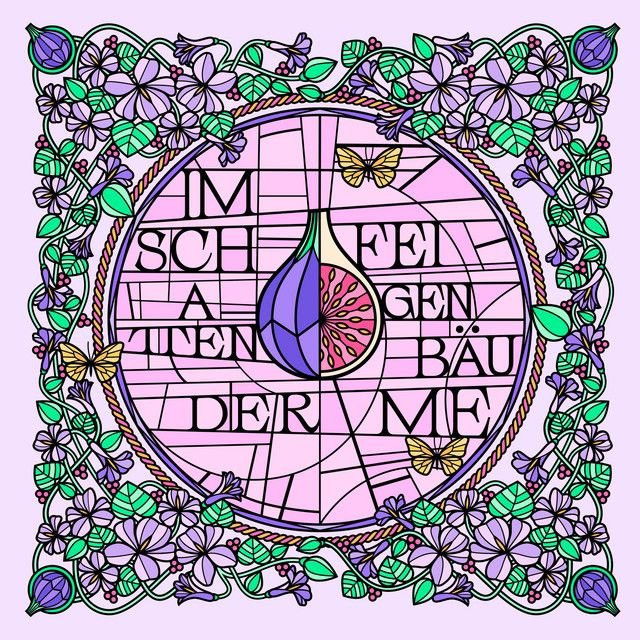
Why Shindy’s Fig Trees Mean More Than Flex
The meaning of Im Schatten der Feigenbäume Shindy starts with luxury rap, but it does not end there. On the surface, they deliver designer labels, expensive cars, and absolute confidence. Under that glossy shell, though, the song becomes a meditation on heritage, class movement, and the dream of turning family struggle into dynasty.
"Im Schatten der Feigenbäume" - Shindy
Schlagzeilen, die die Zeitung in mei'm Kopf titeln
Diamanten kratzen am Hals
Loading lyrics...
Unable to load lyrics
We're unable to display the lyrics at this time. Please try again later.
Shindy, born Michael Schindler, has built a career on polished self-mythology and commercial success, with multiple No. 1 albums and a 2021 single run that kept them high on German-speaking charts. According to public discography data, “Im Schatten der Feigenbäume” reached No. 5 in Germany, No. 9 in Austria, and No. 4 in Switzerland. That matters because the track sounds like a star statement, not a private sketch.
A Rap Portrait Painted in Gold and Rain
The opening lines are obsessed with detail. They notice jewels, chrome, wet streets, camera flashes, and couture fabrics. This is not random name-dropping. Interpretation: they use these images to frame beauty as a form of power.
When they describe being driven by beauty and small details, the song suggests that style is not just decoration. It is worldview. Short phrases like God reflected
and Blitzlichtgewitter
turn fashion and fame into almost sacred experiences.
That is key to understanding the meaning of Im Schatten der Feigenbäume Shindy. They are not only saying they are rich. They are saying they have trained their eye to see life as art.
The Ego Trip Has a Purpose
A lot of the middle section sounds like classic rap dominance. They call themselves the greatest, mock weaker rivals, and present their lines as memorable enough to be quoted forever. In another artist’s hands, that could feel one-note.
Here, the bragging has a larger function. It builds the character of Shindy as a self-made icon. Phrases like motherfucking G.O.A.T.
and Working-Class-Hero
sit side by side, which creates tension. They want to sound untouchable, but they also want listeners to remember where they came from.
Why the insults and superiority matter
Some of the harshest lines are there to separate them from the rap field. Interpretation: they argue that ordinary competition is beneath them because they see themselves as an artist, not just another rapper in a feud cycle.
That fits Shindy’s long public image. Across their catalog, they often present themselves as a luxury auteur, someone closer to a fashion house or film director than a battle rapper. In this song, that image becomes almost total.
Family History Changes the Song’s Weight
The emotional center arrives when they shift from status symbols to ancestry. They mention parents and grandparents marked by loss and instability, then imagine giving that family line a new outcome. The song suddenly stops being only about money and starts being about repair.
This is where one of the strongest lines lands: Working-Class-Hero
. It reframes the Bentleys and Birkin-level styling as a victory over inherited hardship. Their success is not presented as luck. It is presented as an answer to generational pain.
Eine Dynastie, geboren
im Schatten der Feigenbäume
That brief image is the song’s heart. The fig trees suggest roots, ancestry, Mediterranean memory, and shelter. Interpretation: the title image turns the whole track into a family epic. They are not just standing under trees; they are standing under history.
From Street to Scripture
The ending reaches for something larger than rap language. They compare their flow to divine order and close with a line about shared descent through Abraham. This is a big jump from watches and custom shirts, but it is not accidental.
The song has been moving toward this all along. Beauty, lineage, power, and destiny all feed into a final spiritual frame. In that context, luxury becomes symbolic. The expensive life is not only consumption. It is proof that a broken family line can continue with dignity, visibility, and ambition.
A note on the title image
Fig trees carry deep associations in Middle Eastern, Mediterranean, and biblical traditions. Without forcing one fixed reading, the title can suggest home, origin, and continuity. That makes the final section feel less like random religious imagery and more like a claim to belonging.
How the Sound Supports the Meaning
Even without reproducing full production credits here, the writing credit for Ozan Yildirim points toward the sleek, cinematic feel many listeners associate with OZ-linked records. The beat leaves room for Shindy’s voice to sound cold, measured, and expensive.
That matters because the instrumental does not rush. It glides. The music supports the images of wet asphalt, camera flashes, and tailored luxury. Instead of chaotic aggression, the sound projects control.
Interpretation: that restraint helps the final family and spiritual lines hit harder. The song never breaks character, yet it grows more personal as it goes.
The Best Way to Read the Song
There are at least two strong ways to hear it:
- Victory narrative: a star celebrates success, taste, and rank.
- Legacy narrative: a son and grandson tries to redeem family history through beauty, wealth, and permanence.
The second reading is what gives the song its staying power. Plenty of rap tracks flex. Fewer connect flexing to ancestry so clearly.
Why This Song Sticks
The meaning of Im Schatten der Feigenbäume Shindy is bigger than luxury rap. They turn expensive objects into symbols of artistic control, social ascent, and inherited dreams finally coming true. The final image of dynasty under fig trees gives the song depth, warmth, and a sense of fate.
That is why the track lingers. It offers the shine of status, but also the shadow of memory.
Disclaimer: This interpretation is based on the lyrics, public artist context, and musical presentation. As with any song, meanings can vary from listener to listener.







