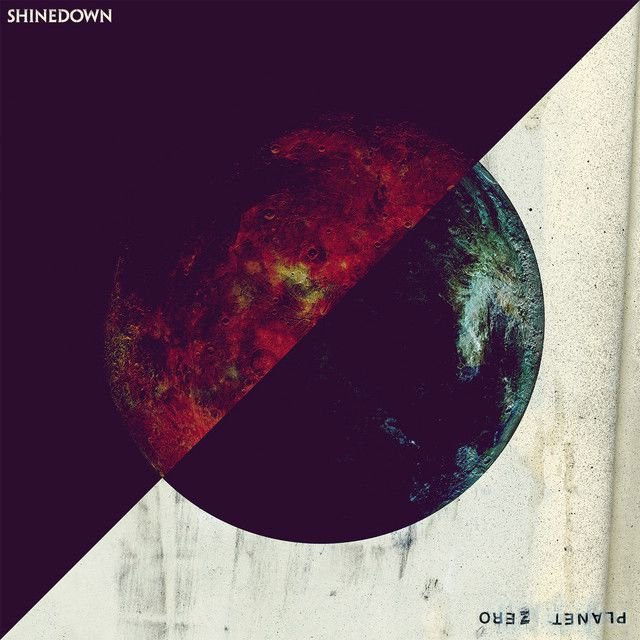
A Symptom of Being Human by Shinedown
They turn a private spiral into a public hug. That’s the core meaning of A Symptom of Being Human by Shinedown. If you’re searching for the meaning of A Symptom of Being Human Shinedown, it’s this: the song reframes anxiety, alienation, and self-doubt as something shared—and therefore survivable.
"A Symptom of Being Human" - Shinedown
Beautiful and strange
Always so inclined, coloring outside the lines
Loading lyrics...
Unable to load lyrics
We're unable to display the lyrics at this time. Please try again later.
When Anxiety Becomes a Bridge, Not a Barrier
The narrator moves through ordinary spaces while feeling anything but ordinary. They admit panic and displacement, then choose empathy over shame. The hook treats distress as a common condition, not a personal failure. In other words, the song argues that what hurts can also connect us.
In short: the meaning of A Symptom of Being Human Shinedown
Interpretation: The track is a soft-voiced pep talk to misfits and overthinkers. It names the feeling so the feeling loses power. By calling the chaos a “symptom,” the band suggests it can be understood and managed.
Who’s Talking, and to Whom?
The voice is first-person and confessional, but inclusive. When the singer admits they’re in a room where I don’t belong
, they quickly ask, “How about you?” The direct address widens the circle. It’s not a lone diary entry; it’s a group check-in.
Small character details—being late, coloring outside the lines—avoid self-pity. They sketch a familiar archetype: the awkward kid grown into an anxious adult. The tone is kind, even when it stings.
Scenes That Map the Mind
Shinedown uses surreal, sticky images to put shape to invisible stress:
house is on fire
+no alarm
: the body’s fight-or-flight surging without a clear trigger.invitation to the lunatic ball
: the fear of being labeled or othered. By “inviting” friends, the song flips stigma into solidarity.- Baggage hidden in an attic: coping by suppression—out of sight but never gone.
ship of fools
: a world that feels chaotic, crowded, and directionless.
Interpretation: These images don’t chase realism; they chase recognition. Listeners can feel the heat, the melt, the social risk—then release it when the chorus reframes it.
Why the Chorus Lands
The refrain’s key idea is that it’s all just a symptom of being human
. That line balances two truths: the pain is real, and it’s common. The song doesn’t minimize suffering; it normalizes the reaction to it. That shift—from “I’m broken” to “I’m human”—is the emotional pivot.
The repeat of the question “How about you?” underlines consent and community. It’s an invitation, not an order, and that might be why the hook feels safe.
How the Sound Lifts the Message
This is a piano-led, mid-tempo ballad with open chords and a patient build. Brent Smith’s vocal sits close to the mic at first, then widens as harmonies and pads bloom. The arrangement holds back the band’s heaviest edges, making space for breath and words.
On Planet Zero (2022), bassist Eric Bass produced, and his choices here are restrained: steady drums, warm low end, and a subtle dynamic arc that peaks without bombast. Interpretation: That calm frame keeps the lyrics front and center, letting listeners project their own stories onto the chorus.
Shinedown later issued alternate versions (including stripped and pop-leaning mixes), which underscores the song’s adaptability. Its core promise—shared humanity—works in rock theaters and in headphones on a tough morning.
Context That Deepens the Read
The track appears on Planet Zero, a record that often addresses division, mental health, and resilience. Shinedown have long advocated for empathy and conversation around struggle, and this song fits that mission.
Placing a vulnerable ballad amid heavier cuts amplifies the contrast. It’s the quiet room inside a loud album, where listeners can pause, name what hurts, and keep going.
Alternate Lenses Worth Considering
- Interpretation: Impostor syndrome. The “room” is a promotion, classroom, or family role that the narrator has earned but doubts. The melting walls mirror the collapse of confidence.
- Interpretation: Social commentary. The
ship of fools
nods to groupthink. Amid noise and outrage cycles, sanity looks “weird.” The song asks listeners to claim that weirdness as human, not defective.
Both readings lead back to the same place: compassion for self and others.
Takeaway You Can Carry
Shinedown doesn’t offer a cure; they offer a frame. When distress shows up, treat it as data, not a verdict. Naming it a symptom makes room for help, humor, and hope.
Disclaimer: As with any lyric analysis, this is an interpretation that blends textual reading with context; your own experience may suggest a different but equally valid meaning.








