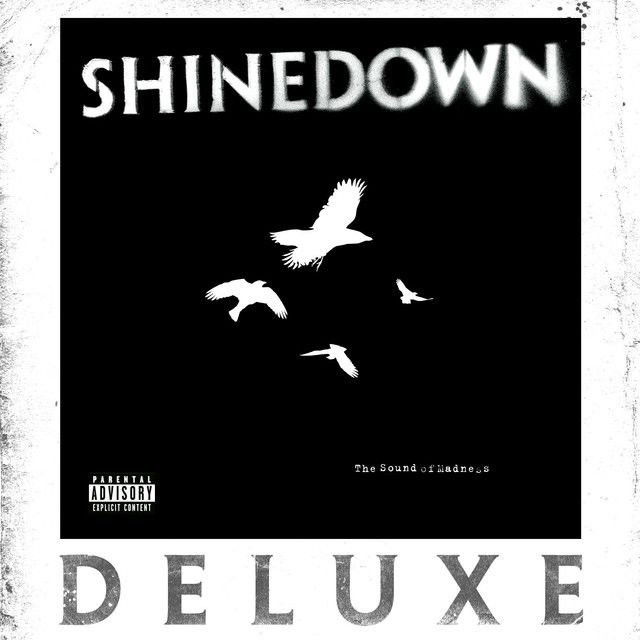
The Crow & the Butterfly by Shinedown
They don’t write many rock ballads that feel this tender and this tough at once. The meaning of The Crow & the Butterfly Shinedown centers on grief, memory, and the ache of being too late. Released as a single in 2010 from The Sound of Madness and produced by Rob Cavallo, the track rose to No. 1 on rock radio and later earned Gold status in the U.S. Its staying power comes from vivid images and a chorus that won’t let go.
"The Crow & the Butterfly" - Shinedown
So I'd know yesterday was over
I put all your books on the top shelf
Loading lyrics...
Unable to load lyrics
We're unable to display the lyrics at this time. Please try again later.
Grief in Motion, Not in Place
Brent Smith has explained that the seed of the song came from a dream about a mother grieving a lost child. That origin gives the story its weight, but the writing is open enough for listeners to map their own losses onto it. This balance—specific root, universal reach—is part of why the song resonates across years.
They are packing up a life one object at a time. The narrator “painted your room at midnight
,” trying to reset the calendar and push yesterday into the past. Photos come down and get wrapped in a “newspaper blanket
,” a makeshift comfort that can’t truly protect what’s gone. The breaths grow short—“barely breathe
”—as lullabies echo and “your words still serenade me
.” These small, tactile details make the grief feel lived-in, not abstract.

Watch the official The Crow & the Butterfly
music video
The Hook That Haunts
The chorus condenses the entire struggle into four images—pursuit, drift, shock, and regret:
Just like the crow chasing the butterfly
Dandelions lost in the summer sky
I never thought you would slip away
I guess I was just a little too late
Interpretation: The crow is earthbound, dark, relentless—a stand-in for the mourner. The butterfly is delicate, airborne, impossible to hold—like a child, a lover, or a moment that won’t return. Dandelion seeds float away despite every effort to catch them. Then comes the dagger: they didn’t see the loss coming, and now time will not rewind.
Symbols That Carry the Load
- Crow: Grief with weight. It chases because it can’t accept stillness.
- Butterfly: A brief, beautiful life—or a memory that won’t land.
- Dandelions: Childhood and impermanence. When they turn to seed, a breeze scatters what once seemed whole.
- The room and photographs: Rituals of moving on that can’t fully close the wound.
- Lullabies and “haunting melody”: The mind replaying comfort as pain.
Interpretation: Together, these symbols argue that healing isn’t a straight line. Objects, sounds, and seasons can reopen what the heart tries to seal.
How The Sound Tells the Story
Musically, Shinedown stage the grieving process with dynamics. The verses are more restrained—clean guitar figures, open space, and Brent Smith’s vocal sitting close to the mic, as if talking to one person. The chorus swells: heavier guitars, wider drums, and a vocal lift that feels like a chest opening. Cavallo’s production (he’s known for sculpting big, emotive rock) keeps the band punchy but never overwhelms the lyric. The arrangement mirrors the cycle of grief—quiet reflection surging into waves of feeling, then back again.
On paper, the song’s structure is a classic verse-chorus with a bridge that deepens the ache. In practice, it moves like memory—repeating phrases as reminders rather than mere hooks. The album version runs just over four minutes; a longer “pull mix” stretches the atmosphere. Either way, the pacing lets the images land before the next tide rolls in.
What “Too Late” Really Means
Interpretation: The line about being “too late” can point to survivor’s guilt—things unsaid, signs missed, help not reached in time. It can also speak to the truth that for many losses, there is no such thing as the “right” moment; there is only before and after. That’s why the chorus hits so hard. It names a regret most people know but rarely say out loud.
The verse nod to youthful escape—getting high and feeling limitless—shows the contrast between then and now. Even that line doesn’t have to be about substances; it can simply mark a time when life felt boundless. In the aftermath, every breath is measured.
Why It Resonates Far Beyond One Story
Factually, the song broke big on rock radio and became one of the era’s signature hard-rock ballads. But numbers don’t explain tears on a steering wheel. What does is the way Shinedown frame loss as a chase they cannot win—and sing it without cynicism. Whether a listener hears a parent mourning a child, a partner grieving a breakup, or someone fighting relapse and regret, the language makes room.
A Gentle Closing Thought
The meaning of The Crow & the Butterfly Shinedown closes on isn’t tidy closure. It’s learning to live beside absence, honoring beauty that won’t return, and forgiving yourself for arriving late to a moment that’s gone.
Disclaimer: Song interpretations are subjective. The band’s inspiration informs the reading, but each listener’s life may reveal a different truth in the music.