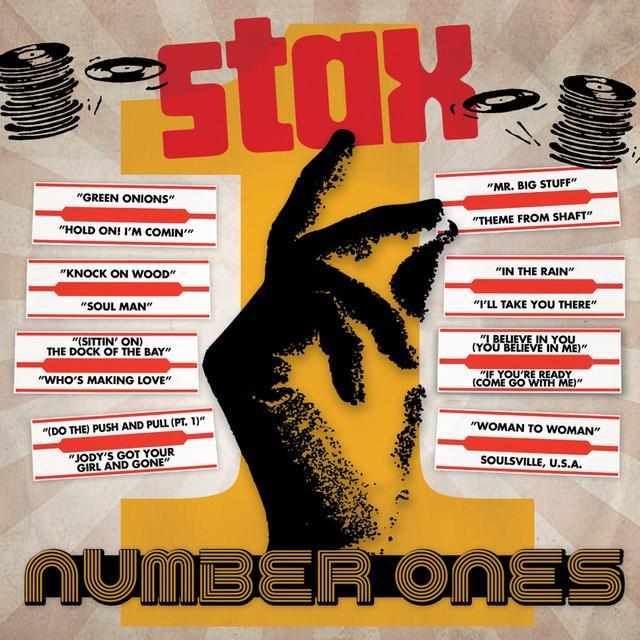
Why ‘Woman to Woman’ Still Cuts So Deep
The meaning of Woman To Woman Shirley Brown starts with a simple but explosive idea: one woman calls another to defend her relationship. That setup makes the song feel like overheard real life, not just a performance. In under four minutes, Shirley Brown turns jealousy, pride, hurt, and survival into a deep soul classic.
"Woman To Woman" - Shirley Brown
Barbara, this is Shirley
You might not know who I am
Loading lyrics...
Unable to load lyrics
We're unable to display the lyrics at this time. Please try again later.
Released in 1974 on Stax’s Truth label, the song became Brown’s signature hit and a major late success for Stax Records. It reached No. 1 on Billboard’s Hot Soul Singles chart and crossed over to the pop chart as well. Those facts matter because they show how widely this story connected: listeners did not just hear a love triangle; they heard a raw emotional argument many recognized.
A Phone Call That Becomes a Power Struggle
What makes the song so striking is its frame. Brown opens with a spoken call to another woman, creating instant tension. Before the melody fully takes over, the listener already knows a boundary has been crossed.
The speaker presents the call as fairness, using the phrase woman to woman
like a claim of honesty and maturity. But the deeper message is not peaceful at all. They are warning a rival, drawing a line, and trying to keep control of a crumbling situation.
This is why the song feels bigger than simple possessiveness. The caller is not only talking about romance. They are talking about labor, sacrifice, and status. In their mind, they built the life this man enjoys, so losing him would mean losing part of their own identity.

Watch the official Woman To Woman
music video
What the Lyrics Say About Love and Ownership
A key part of the meaning of Woman To Woman Shirley Brown is the way love gets mixed with economics. The speaker lists what they provide: clothes, food, a car payment, a home. The point is clear even when the words sound calm. They believe their investment gives them moral authority.
When they insist he's mine
, the line lands as both heartbreak and declaration. They are trying to convince the other woman, but also themselves. That repeated claim suggests fear beneath the confidence.
The Story Moves in Three Sharp Steps
- They discover another woman’s number.
- They call her directly and lay out their case.
- They ask for understanding while also issuing a warning.
That mix of appeal and threat is what gives the song its emotional punch. The speaker says they do not want trouble, yet everything in the delivery says trouble is already here.
If you've ever been in love
then you know how I feel
This is the song’s smartest move. Instead of only accusing the other woman, the speaker tries to build shared ground. They suggest that any woman in love might act the same way. That appeal turns a private fight into a broader statement about desperation and emotional self-defense.
The Chorus Turns Conflict Into Confession
The chorus does not just repeat the setup. It deepens it. Each return to woman to woman
sounds less like politeness and more like pleading. The words become a mask for panic.
Interpretation: The chorus works because it holds two opposite ideas at once. On the surface, the speaker sounds strong and certain. Underneath, they sound scared that love may not be enough to keep this man home.
That tension is why the song lasts. It is not a victory anthem. It is a portrait of someone fighting for dignity in a situation where nobody truly has control.
Shirley Brown’s Performance Sells the Truth
Brown’s voice is central to the song’s meaning. According to the song’s history, she was brought to Stax through Albert King, and her version of the track became the label’s last major hit. Co-writer Henderson Thigpen said the idea came from taking the phrase “man to man” and flipping it into a woman’s confrontation, while Brown also said she shaped the opening “rap” in performance terms. Brown reportedly cut the vocal in a single take, as noted in the song’s song history.
That near-live feel matters. Brown does not sound polished in a distant way. They sound immediate, like someone thinking and reacting in real time. Small shifts in tone make lines feel personal rather than theatrical.
How the Arrangement Supports the Meaning
The production stays rooted in deep soul: steady rhythm section, warm organ, restrained horns, and space for the vocal to lead. Nothing is too flashy. That restraint keeps the focus on the speaker’s emotional logic.
The groove gives the song a slow, stern walk instead of a sprint. It sounds like someone holding themselves together while anger keeps rising. In that way, the music mirrors the lyrics: controlled on the surface, stormy underneath.
More Than a Cheating Song
It is easy to reduce the track to a rivalry story, but that misses part of its depth. The song is also about gender expectations. The man at the center barely speaks, yet two women carry the emotional burden around him.
Interpretation: That silence may be the point. By focusing on the call, the song shows how betrayal often pushes women into conflict while the absent man remains oddly untouched. The speaker’s anger is real, but so is their pain at a system that taught them to measure devotion through sacrifice.
The line happy home
is especially important. It suggests the speaker is defending not just a lover, but a whole social idea: stability, respectability, and the years they put into building adult life.
Why the Song Endured
The song’s success led to answer records, most famously Barbara Mason’s “From His Woman to You,” which shows how vivid Brown’s setup was in the 1970s soul marketplace. Country and R&B artists later covered it because the core drama is timeless.
The meaning of Woman To Woman Shirley Brown endures because the song refuses easy comfort. It understands that betrayed people often sound strongest when they feel weakest. Brown’s performance lets both truths live at once.
In the end, the song is about love under pressure, pride under attack, and the human need to be seen as the one who mattered. That is why it still feels so immediate.
Disclaimer: This interpretation separates documented song history from critical reading. Meanings in music can vary from listener to listener.








