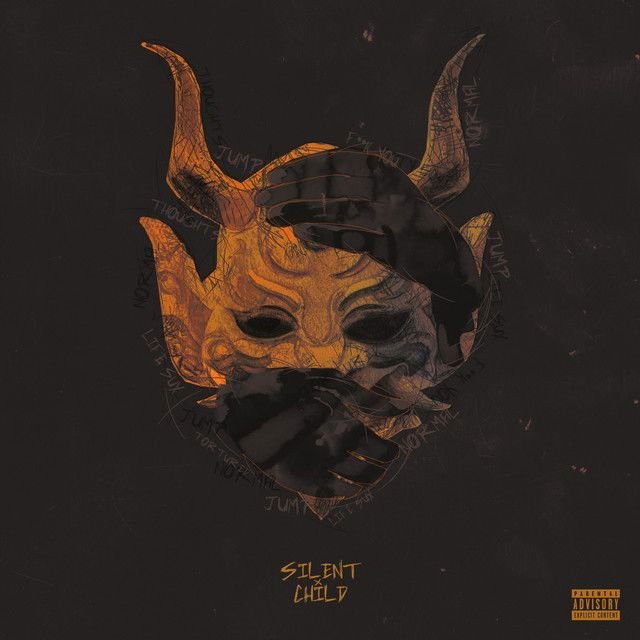
Why 'Jump' Feels Like a Fight for Survival
The meaning of Jump Silent Child, PatrickReza centers on a dangerous inner argument: one voice wants to give up, while another wants to prove it can survive anything. That tension is what gives the song its punch. It sounds dark, but it is not only about defeat.
"Jump" - Silent Child, PatrickReza
Verse:
Maybe I should just jump
Loading lyrics...
Unable to load lyrics
We're unable to display the lyrics at this time. Please try again later.
Instead, the track turns pain into confrontation. The speaker starts at the edge of hopelessness, then slowly reframes the fall as something they might endure—and even come back from stronger.
At the Edge, Then Past It
On the surface, the song describes a person overwhelmed by pressure, shame, and emotional exhaustion. The opening idea, Maybe I should just jump
, is blunt and disturbing. It signals a crisis point, where the speaker feels cornered by their own thoughts.
But the verse adds more than shock value. When they describe life as a big joke
and the future as a thin tightrope, the song paints instability, not just sadness. They feel watched, judged, and one step away from collapse.
Interpretation: This is less a story about one event than a portrait of a spiraling mindset. The speaker is not calmly explaining pain. They are trapped inside it.
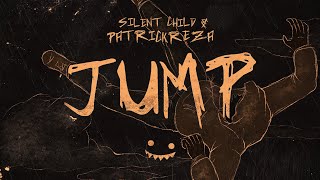
Watch the official Jump
music video
The Real Turn Happens in the Pre-Chorus
The most important shift comes when the song stops sounding passive. The line about others trying to push them off the edge changes the frame. Now the speaker is not only battling despair; they are reacting to pressure from outside people too.
That is where one of the song’s strongest images appears: swim in the deep end
. In plain terms, they are saying that even if others wanted them to drown, they learned how to survive in harsh conditions.
This matters because it changes what “jump” means. At first, it sounds like surrender. Later, it starts to sound like a forced test of endurance—one they might actually pass.
From Helplessness to Threat
The phrase coming for their heads
is aggressive, but its purpose is emotional. It shows a person trying to reclaim power after feeling broken down. The energy becomes revenge fantasy, not because the song is carefully plotting violence, but because anger can feel easier to hold than despair.
Interpretation: In that sense, the pre-chorus is the song’s survival mechanism. Rage becomes a shield.
The Second Verse Reveals the Self-Image Problem
The next verse makes the speaker’s self-worth issues even clearer. They imagine they might be a rockstar
stuck in failure, which is a sharp way to describe mismatch between inner identity and outer life.
They think they are meant for more, yet they also believe they disappoint everyone. That split is central to the meaning of Jump Silent Child, PatrickReza. The song is not just about sadness; it is about feeling unrealized, trapped in a version of the self that seems smaller than the one inside.
There is also a physical side to that suffering. Sleeplessness, misery, and self-disgust make the emotional crisis feel lived-in rather than dramatic for effect. The speaker sounds worn down over time.
How the Hook Mimics a Mental Loop
The chorus is simple on purpose. Repeating I should just
before landing on the title word creates a stuck rhythm, like a thought they cannot stop revisiting.
That repetition does two things:
- It mirrors obsessive thinking.
- It keeps the listener in suspense.
- It makes the final word hit harder each time.
Because the hook never fully resolves emotionally, the song feels unsettled even when the beat pushes forward. That is why it lands so strongly: the production gives motion, but the lyrics remain trapped.
Sound Design as Emotional Pressure
Even without detailed public production notes provided here, the pairing of Silent Child and PatrickReza suggests an electronic style built for contrast: tension in the verses, then a harder release in the drop or chorus. That kind of structure fits the lyric arc exactly.
The likely role of the production is to turn internal panic into physical momentum. Heavy bass, rising synth tension, and chopped vocal repetition can make private thoughts feel huge and unavoidable. In a song like this, the sound does not soften the words. It amplifies them.
Interpretation: The beat may function like adrenaline. Where the lyrics describe collapse, the production keeps pushing the body forward.
Two Strong Readings of the Song
There are at least two useful ways to hear this track:
Reading One: A Cry From the Brink
The most direct reading is that the song captures suicidal ideation and emotional collapse. The repeated title phrase, the pressure imagery, and the sense of worthlessness all support that view.
Reading Two: A Rebirth Through Defiance
A second reading is more confrontational. Here, “jump” becomes a leap through fear rather than into nothingness. The speaker realizes they were underestimated, and surviving the fall becomes a form of proof.
Both readings can exist at once. That dual meaning is what makes the song more than a single-note dark anthem.
Why the Song Connects
Many listeners respond to songs like this because they do not tidy up ugly feelings. They show how fast a mind can move from numbness to rage, from shame to self-mythology. That emotional swing feels real.
In the end, Jump is about a person standing at their lowest point and trying to decide what that edge means. Is it the end, or a brutal kind of beginning? The song never answers neatly, and that is exactly why it lingers.
Disclaimer: This interpretation is based on the lyrics provided and publicly observable musical elements. Meanings can vary by listener, and only the artists can confirm full intent.









