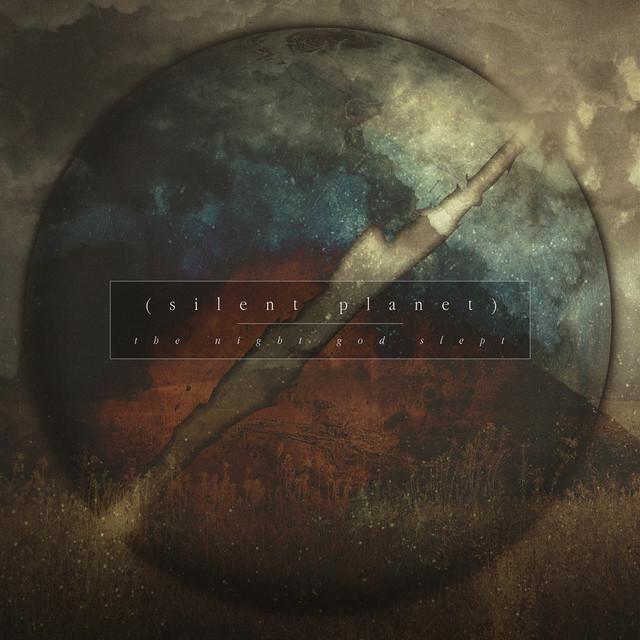
Depths II by Silent Planet
A nightmare about fear, guilt, and change
The meaning of Depths II Silent Planet centers on a person trapped between fear and calling. The song reads like a nightmare, but it is not random. Its dream images build a story about wanting to rescue someone, failing to act, and then facing a force bigger than the self.
"Depths II" - Silent Planet
In a midnight reverie of which I'll never wake
That started mundane enough
Loading lyrics...
Unable to load lyrics
We're unable to display the lyrics at this time. Please try again later.
Silent Planet are known for mixing metalcore intensity with literary and spiritual imagery, and that matters here. Their songs often turn private pain into bigger questions about identity, suffering, and transcendence. In “Depths II,” they push that style into a vision of storm, fire, and surrender.

Watch the official Depths II
music video
The speaker is trapped before they ever move
At the start, the world feels unreal, as if life has become a dream they cannot escape. The image of tapping at the window and the storm outside places the speaker inside a safe space that is also a prison. They are protected, but also hiding.
That is why the self-description matters so much. When the narrator calls themselves a coward and feels like a name without a face
, the song makes shame central to its meaning. They do not just fear danger; they fear their own weakness.
Interpretation: the “stranger” at the door may be an outside threat, but it can also represent truth, responsibility, or change. The refusal to let it in suggests someone resisting the very thing that could transform them.
The rescue fantasy reveals the real wound
Midway through the song, the lyrics describe a dream of sneaking past guards and using a key to set someone free. That scene sounds heroic on the surface. Yet the song immediately undercuts it by admitting that, in reality, the speaker lacks courage.
This is one of the strongest parts of the meaning of Depths II Silent Planet. The dream shows the person they want to be, while the confession shows the person they believe they are. The gap between those two selves creates the song’s emotional pressure.
A story told in sharp turns
The narrative moves in quick stages:
- The speaker begins in confusion and isolation.
- They imagine or remember a failed chance to bring freedom.
- Fear turns into panic and violence against
shrouded silhouettes
. - A storm drives them outward into a strange clearing.
- A fire-centered vision transforms the song into something almost spiritual.
Those turns feel abrupt on purpose. Dreams skip logic, and this song uses dream logic to show a mind cracking open.
Storm, sisters, and flame: the symbols that matter
Once outside, rain cools the speaker’s anger, but it does not calm the deeper crisis. The storm becomes a force that strips away control. Then comes one of the song’s most mysterious images: seven sisters
moving in a circle around a blue flame.
Interpretation: that scene can be read in a few ways. It may suggest fate, ritual, memory, or even a cosmic order beyond human choice. The phrase about abandoned autonomy implies surrender. In that moment, everyone and everything seems pulled into one motion.
The flame is even more important. Fire in this song is not just destruction. It sounds like judgment, revelation, and purification at once. The voice from the fire speaks with the authority of something eternal, contrasting with the speaker’s weakness and confusion.
I am the fire that is never quenched
And I am the river that will not run dry
These lines introduce a presence that cannot be exhausted or escaped. Whether listeners hear that as divine, symbolic, or psychological, it clearly shifts the song from personal guilt into spiritual scale.
What the chorus really means
The closing refrain is where the song opens widest. When the lyrics say we'll lose our divisions
and forget our names
, they imagine the end of the boundaries that define ordinary life. That sounds terrifying, but also strangely liberating.
Interpretation: the ending can be heard in two ways:
- As annihilation, where identity burns away at the edge of eternity.
- As transformation, where the false self dies so something truer can emerge.
That dual meaning makes the repeated line about catching fire so powerful. Fire is painful, but it also marks change. The speaker may be destroyed, purified, awakened, or all three at once.
How the music carries the message
Silent Planet’s style helps sell the song’s meaning. Their music often blends crushing guitars, atmospheric textures, and spoken or shouted passages that sound both intimate and apocalyptic. In a song like this, that mix matters because the lyrics move between confession and vision.
The heavy sections mirror panic and self-accusation. The more spacious, eerie passages fit the storm and ritual imagery. The result is a track that feels physically unstable, as if the ground keeps dropping out under the listener. That sonic instability supports the emotional one.
Why “Depths II” stays with listeners
What makes this song memorable is not just its imagery, but its honesty about inner failure. The speaker wants to save, to act, to become brave. Instead, they freeze, hide, and break apart. That conflict feels human, even when the song speaks in symbols.
So the meaning of Depths II Silent Planet is not one neat message. It is a layered portrait of guilt, longing, spiritual confrontation, and the hope that collapse might become renewal. The song suggests that before a person can be remade, they may first have to face the worst truth about themselves.
Disclaimer: This interpretation is based on the song’s lyrics, imagery, and musical context. As with many Silent Planet songs, meaning can remain open to multiple valid readings.







