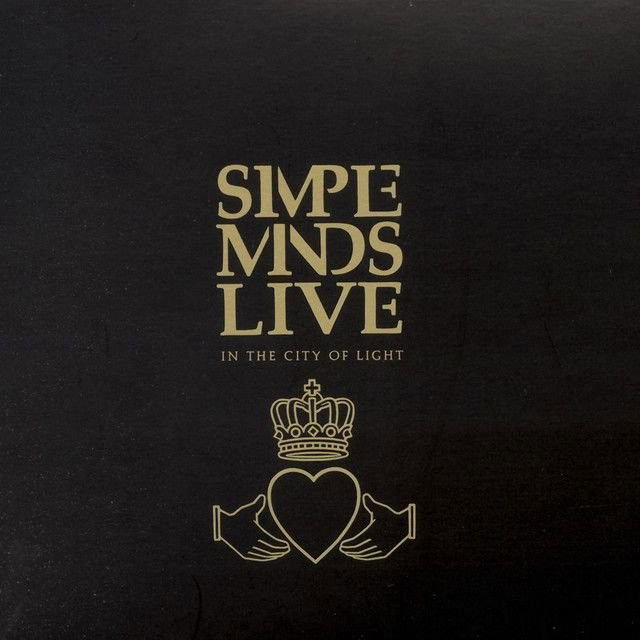
Why “Oh Jungleland” Feels Like Escape and Grief
The meaning of Oh Jungleland Simple Minds comes from a hard tension: the song sees the city as both home and trap. It is full of motion, noise, family ties, danger, and a small but stubborn sense of hope. Rather than telling one clean story, Simple Minds build a portrait of urban life where love, fear, and survival all live in the same place.
"Oh Jungleland" - Simple Minds
Somebody's knocking out
Somebody's calling out, come hear it again
Loading lyrics...
Unable to load lyrics
We're unable to display the lyrics at this time. Please try again later.
The song was written by Charles Burchill, Jim Kerr, and Michael MacNeil, the core creative team behind much of the band’s early catalog. Simple Minds emerged from Glasgow’s post-punk and art-rock scene in the late 1970s, a background well documented in band histories and major music references such as Britannica and AllMusic. That context matters, because their early work often turned city life into something cinematic, anxious, and romantic at once.
A City Song That Refuses Simple Answers
At first, the lyrics flood the listener with activity. People are screaming, knocking, calling, singing, and becoming. This gives the song a crowded street-level view, where life never sits still. The city feels alive, but not calm.
Interpretation: “Jungleland” works as a metaphor for an urban landscape that is exciting and cruel at the same time. When the chorus calls it home sweet home
, the phrase sounds uneasy rather than comforting. They are not praising the place without question; they are admitting a bond with a place that also hurts them.
That conflict sharpens in the line about feeling sad to leave. The speaker is pulled in two directions. They know the place is harsh, yet they cannot detach from it. That emotional contradiction is the center of the song.
Watch the official Oh Jungleland
music video
The Heart of the Chorus Is a Battle Between Loss and Hope
The clearest emotional turn comes with the figure of a kid called Hope
. After images of blood, pressure, and neglect, the song suddenly introduces a human symbol for possibility. Hope is not grand or abstract here. It is a kid reaching out a hand.
That detail matters. It makes hope feel young, fragile, and unfinished. It has not won yet. Still, it exists.
The image of Northern Lights
above highrise land
deepens that contrast. One image is natural, distant, and almost magical. The other is built, boxed in, and social. Interpretation: the song may be suggesting that even in a hard city, people still search for beauty beyond concrete limits.
Street Noise, Family Blood, and Social Pressure
A major part of the song’s power comes from how it links public life to private life. The lyrics move from streets and bells to fathers, mothers, sisters, brothers, and killers. That jump suggests the city’s violence is not separate from family and social inheritance. It passes through generations.
When the song says blood is thicker than water
, it uses a familiar phrase, but the surrounding words make it darker. Family loyalty can protect people, but it can also trap them in cycles they did not choose.
There is also a sense that young people are being shaped by forces around them before they fully understand them. Boys are becoming men, but the environment teaching them is unstable. Summer arrives, and so does violence. The season that should mean freedom instead brings threat.
A Prayer No One Hears
One of the saddest moments is the wish that children could forget the wildness around them. The speaker wants innocence to survive. But the song quickly answers with indifference: nobody listens, nobody cares.
That makes “Oh Jungleland” more than a personal lament. It becomes a social song about neglect. The city is not only dangerous because of individual choices. It is dangerous because care is missing.
Don't look back, never look back
This is the song’s only repeated command, and it lands like survival advice. It may mean keep moving forward. It may also mean that memory is too painful to hold for long.
How the Sound Supports the Meaning
Simple Minds were known for pairing rock structure with atmospheric keyboards, driving bass, and dramatic textures, a style noted in overviews of their work at AllMusic. In “Oh Jungleland,” that approach helps turn the lyrics into a cityscape.
The rhythm pushes forward, which mirrors the feeling of being carried by streets, crowds, and urgency. The keyboards add distance and glow, making the track feel bigger than one neighborhood or one night. Meanwhile, the vocal delivery gives the words emotional strain without losing melody.
Interpretation: that contrast in the arrangement mirrors the lyric tension. The grounded rhythm suggests lived reality; the shimmering textures suggest longing, transcendence, or escape.
Two Strong Ways to Read “Oh Jungleland”
Reading One: A portrait of urban survival
In this reading, the song describes life in a city shaped by poverty, violence, and emotional fatigue. “Hope” is a small force of resistance, not a victory speech. The message is realistic: beauty exists, but so does damage.
Reading Two: A leaving song about guilt
Another reading is more personal. The speaker may be preparing to leave a place and feels torn about it. Calling Jungleland home while grieving the exit suggests guilt, attachment, and the fear of abandoning people who remain there.
Both readings fit the lyrics, and both point back to the same emotional truth: people can love places that wound them.
Why the Song Still Connects
The meaning of Oh Jungleland Simple Minds lasts because it avoids easy comfort. It does not say the city is evil, and it does not say home is safe. Instead, it shows how people carry tenderness, danger, memory, and hope all at once.
That is why the song feels so human. It understands that escape is never simple, especially when identity is tied to the place being escaped.
Disclaimer: This interpretation is based on the lyrics, musical context, and documented background on Simple Minds. As with many songs, meanings can remain open, and listeners may hear different emotional truths in it.







