
Spellbound by Siouxsie and the Banshees
The Pull of the Song’s Dark Magic
The meaning of Spellbound Siouxsie and the Banshees starts with a feeling: attraction mixed with danger. Released in 1981 as the lead single from Juju, the song sounds thrilling, but its words are deeply uneasy. It describes a person being drawn into a strange force that feels playful, sinister, and impossible to resist.
"Spellbound" - Siouxsie and the Banshees
Comes a beckoning voice
It sends you spinning
Loading lyrics...
Unable to load lyrics
We're unable to display the lyrics at this time. Please try again later.
Factually, Spellbound was written by Siouxsie Sioux, John McGeoch, Steven Severin, and Budgie, and co-produced by Nigel Gray with the band. It reached No. 22 on the UK Singles Chart. That success matters because the song took the band’s post-punk edge and made it vivid, melodic, and accessible without losing its menace.
Interpretation: the song is about enchantment in the broadest sense. It can suggest childhood fear, sexual fascination, social pressure, or the way desire overrides logic. The key emotional idea is simple: once the pull begins, they cannot step outside it.
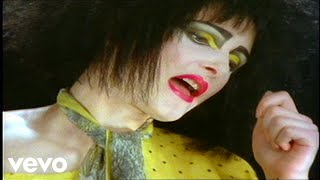
Watch the official Spellbound
music video
A Voice Calling from Childhood
One of the song’s most striking images arrives immediately. The voice comes from the cradle bars
, which links innocence with confinement. A cradle should mean safety, but here it becomes the start of a haunting.
That image helps explain why the song feels both childish and threatening. Toys, laughter, elders, and prayers all belong to home life, yet the song twists them into something unstable. It suggests that fear does not always come from monsters outside. Sometimes it grows inside familiar rooms.
When the House Turns Uncanny
The recurring sound of laughter cracking through the walls
adds to that feeling. Instead of comfort, the home becomes alive with eerie noise. The listener is placed inside a space where normal boundaries are breaking down.
It sends you spinning
You have no choice
This is the article’s clearest clue to the song’s core. The person in the song is not calmly deciding anything. They are overtaken. Whether that force is fear, obsession, or temptation, the language points to helpless motion.
What the Chorus Says About Surrender
The chorus gives the song its title and its emotional center. The image of a rag doll dance
suggests movement without control, as if the body is being tugged by invisible strings. Then the group declares they are entranced
and, finally, spellbound.
Interpretation: this is not a love song in any ordinary sense. It is closer to a portrait of surrender. The title word does not describe simple admiration. It describes being captured by a mood, a person, or a psychic force.
The shift from “you” in the verses to “we” in the chorus matters. The private fear becomes shared experience. That change makes the song bigger than one character. It becomes about how whole groups can be pulled into excitement, panic, style, ritual, or desire.
Images of Rebellion, Mischief, and Shock
One verse is especially sharp and strange, with its bit about elders forgetting prayers and being thrown down the stairs. Taken literally, it sounds shocking. Taken symbolically, it feels more like black humor aimed at authority.
Interpretation: the lyric may mock stale moral rules and older social structures. In many post-punk songs, domestic order and polite tradition are treated with suspicion. Here, that suspicion comes out as grotesque comedy.
The line about toys going wild pushes the same idea. Childhood objects become unruly. The song keeps asking what happens when the things meant to organize life no longer behave. The answer is not clarity. The answer is dizziness, instinct, and submission.
Why the Music Feels Like a Spell
The sound is a huge part of the meaning of Spellbound Siouxsie and the Banshees. John McGeoch’s guitar does not just decorate the track; it creates the trance. The riff is quick, bright, and nervous, making the song feel like it is running in circles around the listener.
That guitar work has been widely praised. On BBC Radio 2, Johnny Marr called it “so clever” and “mysterious,” which gets at its unusual quality. It is sharp rather than heavy, intricate rather than blunt, and that tension mirrors the lyrics perfectly.
Budgie’s drumming keeps the song in constant motion, while Steven Severin’s bass grounds the chaos. Siouxsie’s vocal is cool but urgent. She does not oversing the fear; she controls it, which makes it hit harder. According to Wikipedia’s summary of contemporary reviews, Melody Maker called the single “exhilarating,” and that word fits. The song is unnerving, but it is also exciting.
Context in the Band’s Career
As the first single from Juju, “Spellbound” helped define the album’s identity. That 1981 record is often seen as one of the band’s key statements, blending post-punk, gothic rock, and psychedelic textures. “Spellbound” stands at the front of that world: theatrical, rhythmic, and psychologically rich.
Its afterlife also supports its meaning. The song has appeared in dark fantasy and horror-friendly settings, including the end credits of Stranger Things season 4. That kind of placement makes sense because the track captures a feeling of being lured toward something dangerous while still wanting more.
The Best Way to Read “Spellbound”
The strongest reading is that the song dramatizes irresistible influence. It turns childhood images into adult unease and wraps that unease in a danceable rush. They are not just singing about fear. They are singing about the thrill of being overtaken by it.
That is why the song still lasts. It feels smart, physical, and mysterious all at once. Listeners can hear obsession, social rebellion, erotic tension, or haunted memory in it, and the song remains open enough to hold all of those ideas.
Disclaimer: This interpretation is based on the lyrics, recording context, and documented reception. As with many Siouxsie and the Banshees songs, meaning stays partly open, and different listeners may hear it differently.







