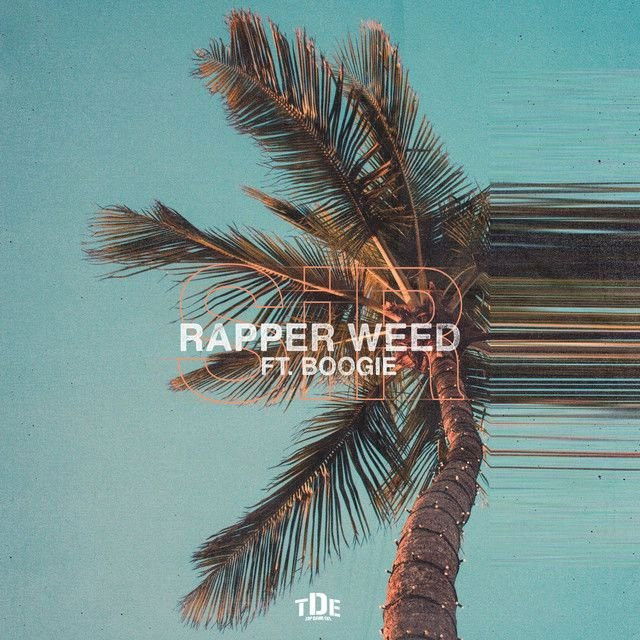
Rapper Weed by SiR, Boogie
Why This Song Feels Hazy but Heavy
The meaning of Rapper Weed SiR, Boogie centers on a habit that no longer works. On the surface, the song is about smoking. Under that surface, it is about emotional numbness, relationship strain, and the sad moment when escape stops feeling like escape.
"Rapper Weed" - SiR, Boogie
Sunshine in my rearview as the night falls
Listenin' to old Kanye feelin' like new Kanye (hey-hey-hey)
Loading lyrics...
Unable to load lyrics
We're unable to display the lyrics at this time. Please try again later.
SiR and Boogie both write from a tired, self-aware place. They do not sound thrilled by the lifestyle. They sound stuck in it. That is why the hook lands so hard: they keep reaching for relief, but we ain't even gettin' high no more
. In plain terms, the thing that once brought comfort now only shows its limits.

Watch the official Rapper Weed
music video
The Core Meaning: A Song About Diminishing Returns
At its heart, the track is about diminishing returns. Smoking becomes a symbol for any coping tool that starts as pleasure and turns into routine. The characters keep repeating the behavior, but the emotional payoff is gone.
That idea gets sharper when SiR frames the scene with motion and control. He talks like someone driving forward in life, staying focused, and refusing outside noise. But even with clear skies and confidence, there is still inner weight. When he says all we been smokin' is guilt
, the song makes its real move. The smoke is no longer just weed. It is regret, avoidance, and unresolved tension.
Interpretation: the title points to a rap-world cliché, then flips it. Instead of glamorizing weed, the song studies what happens when the image wears off.
SiR's Verse Turns Cool Imagery Into Emotional Exhaustion
SiR opens with polished images: white walls, sunlight, driving, old Kanye playing. It sounds calm and cinematic. He also presents himself as seasoned and unbothered, stressing that he is not chasing competition and that he stays in his lane.
That matters because the verse sets up a contrast. Outwardly, life looks smooth. Inwardly, something is off. He describes a woman with luxury-level beauty and a life that seems elevated, almost airborne. Yet the fantasy is interrupted by the sense that their ritual has become empty.
Lil' mama fly as a plane
all we been smokin' is guilt
Those two images belong together. One is glamorous. The other is crushing. The song suggests that style, status, and chemistry cannot hide emotional buildup forever.
Boogie's Verse Gets More Specific and More Painful
If SiR gives the song its mood, Boogie gives it its rawest detail. His verse zooms in on the mechanics of dependence: unfinished blunts, rising tolerance, missed calls, burnt lips, and money spent out of habit. These are not flashy rap details. They are signs of wear.
He also shows how substance use affects communication. They call each other, miss each other, text, argue, and drift. The weed does not create connection; it sits beside miscommunication. Even when they are physically close, they seem emotionally out of reach.
One of the most revealing ideas in Boogie's verse is that moderation is discussed but never really achieved. The people in the song know there is a problem. That awareness does not solve it. In fact, it may deepen the frustration, because they can see the pattern while still repeating it.
Interpretation: Boogie's verse broadens the meaning of the song from a relationship story to a wider picture of burnout, dependency, and self-sabotage.
What the Chorus Really Says
The chorus is simple, but that simplicity is the point. Repeating we ain't even gettin' high no more
turns the line into a verdict. It is not just about weed losing potency. It is about joy losing potency.
The hook also works because it leaves room for several meanings at once:
- the body has built tolerance
- the mind is too burdened to feel release
- the relationship has lost its spark
- success itself no longer feels exciting
That layered quality gives the song emotional depth. A listener does not need to smoke to understand it. Anyone who has kept doing something long after it stopped helping can hear themselves in it.
Sound and Production: Soft, Slow, and Drained
Musically, the song supports that weary message. SiR is known for blending alternative R&B, soul, and understated groove, a style covered across his releases by Top Dawg Entertainment and Apple Music. Here, the production feels spacious and late-night. It does not push hard. It hangs in the air.
That softness matters. A louder beat might have made the song feel celebratory. Instead, the instrumental gives the words room to sag. The melody drifts rather than bursts. SiR's smooth delivery keeps the song listenable, while Boogie's rougher cadence adds friction.
Together, they create a contrast that mirrors the theme: one voice sounds controlled, the other more frayed. Both sound tired.
Artist Context Helps Explain the Message
SiR has often written songs that mix sensuality with vulnerability, rather than treating coolness as a shield. Boogie, meanwhile, has built much of his reputation on confessional writing and mental strain, as reflected in coverage from Complex and Billboard. That pairing makes sense for this track.
Factually, the song was written by Sir Darryl Farris and Anthony Dixson, matching the names provided in the song credits. Even without a long artist statement, the collaboration itself tells a story: SiR brings atmosphere and restraint, while Boogie brings anxious detail.
Final Take: Why the Song Sticks
The meaning of Rapper Weed SiR, Boogie is not that weed is glamorous or dangerous in a simple way. It is that numbing out can become its own trap. The song captures the dead zone between pleasure and pain, where a person keeps reaching for the same fix and feels less each time.
That is why the song lingers. It sounds smooth, but it is really about disillusionment. Beneath the smoke, it is a song about guilt, distance, and the fear that even comfort can go empty.
Disclaimer: This interpretation is based on the lyrics, performance, and available artist context. Like most songs, it can support more than one reading.







