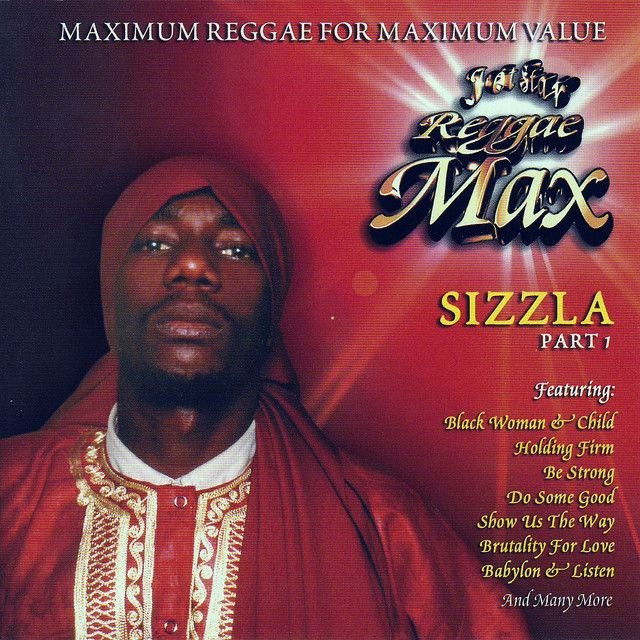
Why "Be Strong" by Sizzla Still Lifts People
The meaning of Be Strong Sizzla comes through with unusual clarity: this is a song about courage under pressure. It speaks to anyone who feels stuck, afraid, or worn down by hard conditions. Instead of romanticizing struggle, Sizzla turns it into a challenge. They hear a voice pushing people to act, trust themselves, and keep their values intact.
"Be Strong" - Sizzla
No time to sit and doubt
Some people not knowing life is a cycle
Loading lyrics...
Unable to load lyrics
We're unable to display the lyrics at this time. Please try again later.
Sizzla, born Miguel Orlando Collins, is one of reggae’s most recognizable voices, known for blending spiritual themes with social commentary in roots reggae and dancehall-influenced music. That broader background matters because this song sounds like more than a pep talk. It carries the moral urgency that often defines his catalog.
A Chorus Built Like a Mission
The chorus delivers the song’s core message in simple language. When Sizzla repeats be strong
and urges listeners to conquer your fears
, he is not offering vague inspiration. He is framing life as something active. They hear strength not as aggression, but as discipline, patience, and self-belief.
That idea grows sharper in the warning don't you wait too long
. The song treats hesitation as a danger. Fear, doubt, and delay can become their own trap. So the chorus works like a daily command: move now, grow now, do not let life pass while second-guessing everything.
Watch the official Be Strong
music video
More Than Motivation: A Song About Real Conditions
One reason the song feels grounded is that it does not ignore social hardship. In the verses, Sizzla says nothing comes easy
, then connects personal effort to larger systems of struggle. He points to people trying to survive in harsh conditions and even mentions children missing meals. That changes the emotional weight of the song.
This is not the kind of empowerment anthem that pretends everyone starts from the same place. Instead, it admits that some listeners are carrying much more than self-doubt. They may be dealing with poverty, judgment, or institutions that fail them. In that light, strength becomes a survival skill.
Interpretation: The Private and Public Message
Interpretation: The song seems to speak on two levels at once:
- To the individual who needs encouragement.
- To the community that needs dignity and change.
That dual message is part of what makes the track effective. It says people should improve themselves, but it also recognizes that the world around them can be cruel.
The Voice of a Mentor, Not Just a Singer
A striking detail in the verses is how conversational they feel. Sizzla opens like someone checking in on a friend after a long time apart. That tone makes the advice feel personal. He is not preaching from a distance. They hear someone trying to guide, correct, and reassure all at once.
That matters because the song could have sounded overly simple in another artist’s hands. But here, the directness feels earned. The speaker believes in the listener. When he says he believes in them, the song becomes less like a slogan and more like mentoring.
The world is out there
conquer your fears
don't you wait too long
Those lines capture the core movement of the song: the world is difficult, fear is real, but delay is worse. The listener is being pushed outward, toward action.
Faith as Breath and Backbone
Another key to the meaning of Be Strong Sizzla is faith. Sizzla’s music often draws on Rastafarian belief, and here spirituality is presented as a source of balance and endurance. He refers to divine love as essential, almost like air. That metaphor turns faith into something necessary, not decorative.
For listeners who share that worldview, the message is obvious: strength comes from Jah as much as from willpower. For listeners outside that tradition, the idea still lands. They can hear faith as a symbol of grounding, moral direction, and inner steadiness.
Interpretation: Strength Is Moral, Not Just Emotional
Interpretation: The song suggests that being strong does not simply mean refusing to cry or never feeling fear. It means staying clean in conduct, resisting negativity, and refusing to become bitter. In other words, the song defines strength as character.
How the Sound Supports the Message
Musically, the track’s reggae foundation helps carry its meaning. The rhythm feels steady rather than frantic, which gives the words room to land. Instead of overwhelming the listener with drama, the beat reinforces consistency. That supports the lyric’s message about endurance.
Sizzla’s vocal delivery also matters. He can sound urgent without losing warmth. That mix of firmness and uplift is crucial here. If the performance were too soft, the song might drift into background comfort. If it were too harsh, the compassion would disappear. They hear a balance between warning and encouragement.
The repetition is another strength. In many reggae songs, repetition can function like meditation or instruction. Here, each return of the hook deepens the idea rather than merely restating it.
Why the Song Still Connects
Part of the song’s lasting appeal is that its message is broad without being empty. Almost anyone can relate to fear, pressure, or self-doubt. But the song also speaks to bigger social problems, which gives it added depth.
That is why the meaning of Be Strong Sizzla still resonates. It tells people to work, believe, pray, and persist, yet it never forgets the world can be unfair. Its hope is not naive. It is tested hope.
Final Take on Sizzla’s Message
In the end, “Be Strong” is about choosing courage when life gives every reason to retreat. It calls for effort, faith, and self-respect, while also acknowledging hunger, struggle, and social pressure.
That combination is what makes the song memorable. It does not promise easy victory. It simply insists that people keep going.
Disclaimer: This interpretation is based on the song’s lyrics, performance, and Sizzla’s broader artistic style. As with any song, listeners may hear its meaning differently.








