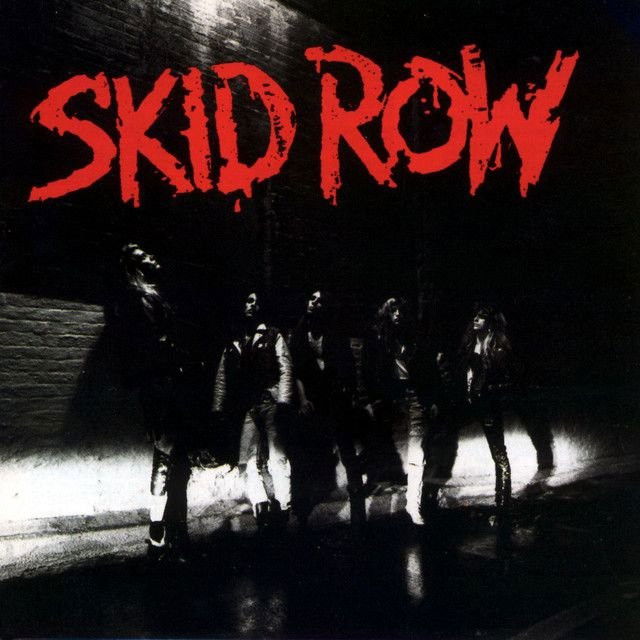
Why Skid Row’s ‘Youth Gone Wild’ Still Hits
Skid Row’s breakout single is loud, scrappy, and easy to chant along to. But the meaning of Youth Gone Wild Skid Row goes deeper than teenage noise: it is about young people refusing to be shaped by a world that has already judged them.
"Youth Gone Wild" - Skid Row
Provided by LyricFindRollin'
Since I was born, they couldn't hold me down
Another misfit kid, another burned out townLoading...Loading lyrics...
Unable to load lyrics
We're unable to display the lyrics at this time. Please try again later.
The Real Message Behind the Swagger
Released in January 1989 as the debut single from Skid Row, the song introduced the band’s hard-edged identity before bigger pop-chart hits followed. It was written by Rachel Bolan and Dave Sabo and produced by Michael Wagener, facts widely documented in major discographies and reference sources.
At its core, the song is about resistance. The narrator is tagged as a misfit and treated like a problem before they even get a fair chance. Instead of begging for approval, they turn that label into a badge of honor. That is the emotional center of the track.
When the song uses phrases like problem child
and youth gone wild
, it is not simply celebrating reckless behavior. It is showing how older systems describe young people who do not fit the mold. Interpretation: the hook works because it flips shame into power.

Watch the official Youth Gone Wild
music video
From One Outsider to a Whole Generation
The first verse starts with a personal story. The speaker comes from a place where they were never fully accepted, and their reputation follows them everywhere. That opening matters because it sounds isolated at first.
Then the song widens its lens. The key shift comes when the narrator realizes it is not only me
. Suddenly, private frustration becomes a shared condition. That move transforms the track from character sketch into anthem.
This is one reason the chorus lands so hard. The line we stand and we won't fall
is simple, but it changes the song’s point of view from one rebel to a whole crowd. They are no longer asking to be understood; they are standing together.
The Chorus Turns Judgment Into Identity
The chorus is built like a public defense statement. Young people are accused, watched, and put on trial
, but the song refuses to accept the verdict. Instead, it says that the very people called dangerous are united, aware, and stronger than expected.
That is the big reason the song endured. According to Songfacts, the track is essentially about being true to yourself rather than becoming what others expect. That reading matches the lyric’s structure: accusation first, then defiance, then solidarity.
Interpretation: the phrase writing's on the wall
suggests more than doom. It can also mean the conflict is obvious now. Adults, bosses, and institutions have already drawn the battle lines, so the youth answer back with identity and volume.
The Boss Scene Says a Lot About Class
The second verse gives the song its sharpest social detail. A boss tells the narrator what kind of man to become, selling a polished, corporate version of success. The song mocks that vision through the image of a Wall Street smile
, which sounds fake, rehearsed, and empty.
Then comes the famous response about Park Avenue leading to Skid Row. Paraphrased, the point is clear: elite ambition does not always end in meaning, dignity, or safety. The distance between rich image and hard reality can be much smaller than society admits.
This is one place where the song says more than “teen rebellion.” It pushes back against class performance, workplace pressure, and the idea that there is only one respectable future.
Why the Sound Makes the Meaning Stronger
Musically, “Youth Gone Wild” is built to feel communal and confrontational at once. The guitars hit with a bright, street-tough glam metal crunch, while the drums keep the song moving like a rally rather than a slow complaint. Michael Wagener’s production gives the track polish without sanding off its attitude.
Sebastian Bach’s vocal is crucial too. Critics have long noted how his snarling, high-energy delivery helped make the song an anthem. Rolling Stone Australia described the track as a defining early statement for the band, and Bach’s performance is a big reason why.
The gang-style responses of hey
and the repeated title phrase make the chorus feel less like a confession and more like a crowd chant. That choice matters: the song’s meaning depends on turning alienation into belonging.
Why It Mattered in Skid Row’s Career
Factually, the single was not a huge U.S. pop hit at first, peaking at No. 99 on the Billboard Hot 100, though it performed better on rock radio and gained heavy MTV airplay. Still, it became one of the band’s signature songs and a key piece of their image.
It also had early symbolic value inside the band. Sebastian Bach later said he believed in the song so strongly that he got “Youth Gone Wild” tattooed on his arm before the band had a record deal, a detail often repeated in interviews and fan histories.
That story fits the song’s message perfectly. Even before success, they treated it like a mission statement.
The Lasting Meaning of Youth Gone Wild
So what is the meaning of Youth Gone Wild Skid Row? In plain terms, it is about young people refusing to accept labels handed down by authority. It says that being seen as difficult, loud, or unruly may sometimes mean a person is protecting who they really are.
The song lasts because it mixes three things well:
- personal frustration
- group solidarity
- a loud, unforgettable hook
That combination made it more than a glam-metal single. It became an anthem for anyone who felt judged before they were known.
Disclaimer: This interpretation is based on the song’s lyrics, documented band history, and public commentary. As with most songs, listeners may hear different meanings in it.