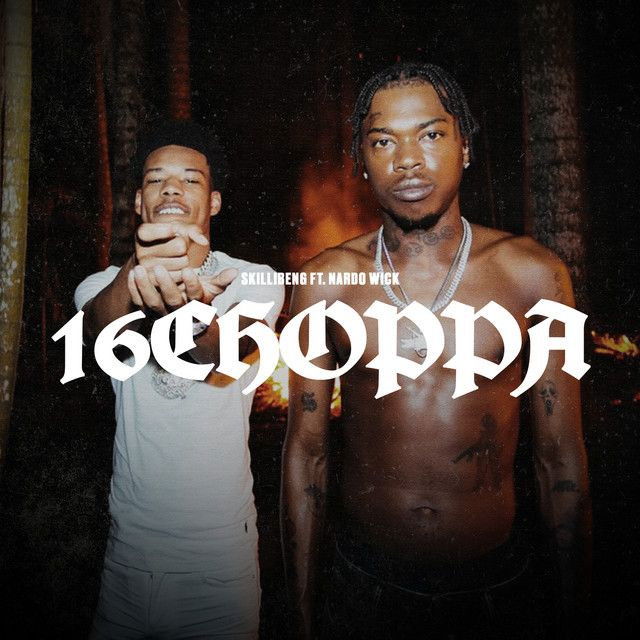
Inside the Crossfire: The Meaning of '16CHOPPA'
They don’t waste time. From the first bars, the track frames violence as a brand, a warning, and a form of power. For listeners searching the meaning of 16CHOPPA Skillibeng, Nardo Wick, the core message is intimidation-as-deterrence: make the threat so loud it stops trouble before it starts.
"16CHOPPA" - Skillibeng ft. Nardo Wick
Sixteen choppa, long like Waka
Portmore run out again wid di bamma
Loading lyrics...
Unable to load lyrics
We're unable to display the lyrics at this time. Please try again later.
What the Track Is Really Saying
Skillibeng and Nardo Wick paint a world where status comes from reach, speed, and readiness. The title’s “16CHOPPA” turns a weapon into a persona—something that moves fast, hits hard, and signals control. Throughout, the narrator insists on autonomy, summed up in the line we nuh take program
—nobody runs them.
Interpretation: This is less a diary entry and more a mask—an image of invulnerability. The gore is there to dramatize a stance: if pushed, they escalate. But mostly, they posture so escalation isn’t needed.
Voice, Targets, and Territory
The song speaks in first person, switching between “me” and “we” to show both individual will and crew power. Place matters. Skillibeng calls out EastSyde
and Portmore, rooting the threat in a real Jamaican setting and a known crew identity. Nardo’s verse shifts to U.S. trap codes—“opps,” switches, and hitman math—widening the threat radius.
Interpretation: Geography doubles as credibility. By naming corners and cliques, they anchor the boast in a map that fans recognize, reinforcing authenticity while keeping the details stylized.
The Hook That Locks In the Threat
The hook boils the message down to a weapon-as-slogan. Its chant feel makes it stick, and the repetition acts like sirens—short, flashing bursts. A tiny slice captures it:
Sixteen choppa, long like Waka Headtop splatter
Interpretation: The chorus fuses speed (“long like Waka,” invoking relentless energy) with consequence. It turns the gun into a character and the hook into a warning light.
Images and Symbols, From Portmore to “Clifford”
The song stacks images designed to be seen and heard: onomatopoeia like blocka blocka blocka
; brand signals like use di Benelli
; and action cues like Run out a day
that suggest daytime boldness. These aren’t instructions; they’re emblems. Gear-talk implies wealth and readiness, while daylight aggression signals fearlessness.
Nardo Wick’s cartoon animals sharpen the menace by contrast. When he mentions big red “Clifford,” or stripes like a tiger, he turns childhood icons into metaphors for size and pedigree. The odd mix—nursery images and lethal stakes—creates a cold, unsettling humor that’s common in trap’s deadpan threats.
Meanwhile, phrases like cold hard killing
flatten emotion on purpose. By removing feelings, the narrator presents violence as procedure. Interpretation: The emotionless tone is a tactic; it says, “This is routine for us,” which is scarier than rage.
How the Sound Amplifies the Menace
Production-wise, the beat is dark and efficient: sub-bass punches, sharp hats, and a minor-key drone that leaves space for vocals to hit like percussive jabs. The tempo sits in a trap/drill pocket—slow enough to feel heavy, quick enough for rapid-fire ad-libs.
Their deliveries carry the meaning. Skillibeng’s patois is clipped and percussive, riding the rhythm like a drumline. Nardo Wick enters with a low, unbothered drawl, turning threats into whispers. That contrast deepens the mood—urgent fearlessness versus detached precision.
Alternate Readings Worth Considering
- Interpretation: It’s an anti-snitching, anti-control stance. Lines about rejecting orders and moving in daylight spin into a code of independence, not only violence.
- Interpretation: It’s party adrenaline. The chant-like hook and vivid sound effects make it club-ready. The “badness” becomes theater—timed drops and quotables designed for crowd call-backs.
- Interpretation: It’s myth-making in a global lane. Jamaican badman talk meets U.S. trap nihilism, showing how two traditions rhyme in imagery, pacing, and voice.
Takeaway: Why It Resonates
At its core, the song is about deterrence through image. The hook brands the threat; the verses give it detail; the beat makes it feel close. Listeners don’t have to condone the violence to grasp the craft: voice, timing, and symbol all work together.
Disclaimer: This is an interpretation based on the recording and publicly available lyrics. Artists may intend different or multiple meanings, and listeners can experience the song in their own way.








