
Overcome by Skott
Why This Song Feels Like Survival
The meaning of Overcome Skott comes down to resilience under pressure. The song sounds quiet and wounded, but its core message is not surrender. Instead, it follows someone trying to keep moving while dealing with absence, confusion, and fear.
"Overcome" - Skott
Silent songs I'll be humming on
'Til you sing along
Loading lyrics...
Unable to load lyrics
We're unable to display the lyrics at this time. Please try again later.
Skott is a Swedish singer-songwriter known for blending art-pop, electronic textures, and emotional storytelling. In the credits provided here, the song was written by Kevin Breton, Pauline Skott, and Peter St. James. That writing team helps explain why the song feels both personal and carefully shaped: it is intimate in voice, but broad enough to fit many kinds of pain.
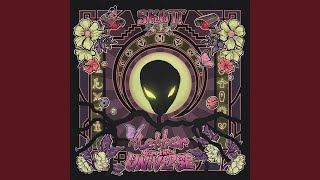
Watch the official Overcome
music video
A Voice Standing Inside the Dark
At the center of the song is a speaker who is hurt but not broken. They admit strain and uncertainty, yet they keep choosing motion. That is why the opening vow matters so much. When the song says I'll overcome
, it is not a casual line. It sounds like a promise made in the middle of crisis.
The verses deepen that idea. The speaker describes inward music and emotional distance with silent songs
and the wish that someone else might sing along
. Paraphrased, they seem to long for connection at a time when they feel alone. The song is not only about pain; it is also about wanting another person, or even another part of the self, to answer back.
The Push and Pull Between Light and Shadow
One of the strongest parts of the song is its imagery. It keeps moving between brightness and darkness, suggesting that hope and despair exist at the same time.
The line about different kind
of light points to a hope that is unusual and durable. This is not flashy or easy hope. It is a quieter force, one that lasts. The follow-up idea that this light is never burning out
gives the song its emotional anchor.
Then the song shifts into a dimmer space: darkness, dust, and shadows. These are images of grief, memory, and uncertainty. Shadows that seem to ask for a hand can be read as the past calling the speaker back. Interpretation: this may suggest trauma or mourning becoming almost alive, something that follows them and asks to be faced.
The Song's Sharpest Emotional Question
The clearest statement of loss arrives when the singer asks whether anyone knows what it is like to lose what they cannot live without. That moment matters because it changes the song from poetic atmosphere into direct emotional truth.
Do you ever wonder what it's like
Losing what you cannot be without?
This is the article's only multi-line quote, and it captures the song's central wound. The question sounds personal, but it also invites listeners in. Many people hear their own experience in it: grief after death, the end of a relationship, loss of identity, or even the fading of hope.
What the Chorus Really Does
The chorus does not erase the sadness. It simply refuses to let sadness have the final word. Repeating I'll overcome
turns the song into a ritual of endurance.
That is why the lines about stars matter too. Fading stars suggest something beautiful that is disappearing, yet they still echo. In other words, even what is lost leaves a trace. The song seems to argue that memory can hurt, but it can also guide.
When the lyric insists that they have come too far to let go, it frames survival as a shared effort. The song may sound solitary, but it keeps reaching toward togetherness. The repeated plea not to let go makes emotional connection feel like a lifeline.
How the Sound Carries the Meaning
Even without full production notes, the arrangement suggested by the writing and performance style is important. Skott often uses breathy vocals, spacious synths, and slow-building dynamics in their catalog, giving songs a floating but intense atmosphere. That style fits "Overcome" especially well.
Here, the likely effect is contrast: a soft vocal against heavy feeling. Rather than using a huge dramatic outburst, the song gains power from restraint. That restraint mirrors the lyric's emotional state. The speaker is trying to hold together, so the performance sounds controlled, almost careful.
Interpretation: if the production stays sparse around the verses and opens in the chorus, that would reinforce the journey from inward pain to outward resolve. The sound would then become part of the storytelling, not just a backdrop.
More Than One Way to Hear It
There is more than one valid reading of the meaning of Overcome Skott:
- A grief song: The loss feels deep enough to suggest mourning.
- A breakup song: The plea for the other person not to let go fits a damaged relationship.
- A self-recovery song: The missing thing could be the speaker's own sense of self.
The song works because it never locks itself into one plot. Its emotional language is specific enough to feel real, but open enough for listeners to enter.
Final Take on Skott's Message
In the end, "Overcome" is about living through what seems unbearable. It does not pretend healing is simple. Instead, it shows someone making a steady choice to continue, even while surrounded by doubt and shadow.
That balance is what gives the song its staying power. It hurts, but it also reaches forward. Interpretation disclaimer: this reading is an informed interpretation based on the lyrics and available song context, and listeners may connect with the song in different ways.









