How Skrillex Turned Chaos Into Feeling
The meaning of Scary Monsters and Nice Sprites Skrillex starts with a surprise: one of the most aggressive EDM hits of the 2010s is also strangely tender. Beneath the famous drop, the song hints at fear, empathy, and a moment of shared weakness.
"Scary Monsters and Nice Sprites" - Skrillex
Yes, oh my god
Look at this, I'm a coward too
Loading lyrics...
Unable to load lyrics
We're unable to display the lyrics at this time. Please try again later.
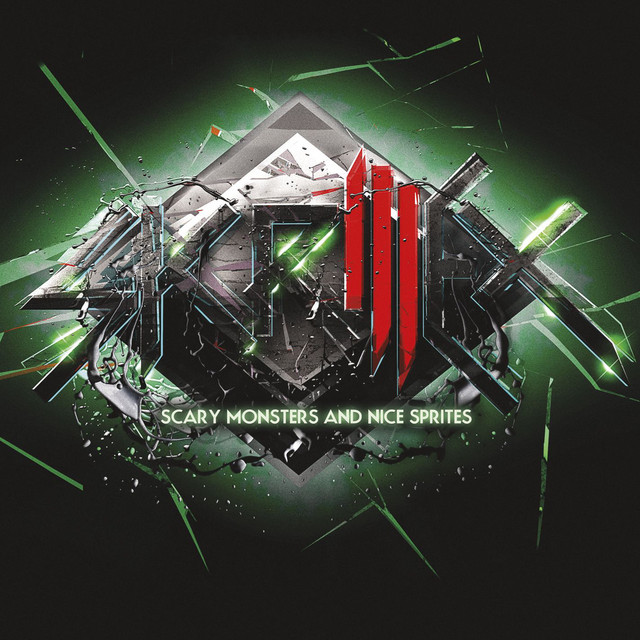
Released in 2010 as the title track from Skrillex’s breakout EP, it became a landmark for modern dubstep and helped push the style into the U.S. mainstream. It later won Best Dance Recording at the 54th Grammy Awards and grew into what critics have called a defining dance track of its era.
The Real Message Hiding Inside the Drop
On the page, the lyric is tiny. But its few lines point to a simple idea: someone who feels afraid is speaking to another frightened person and trying to close the distance between them.
The key emotional turn comes when the voice admits I'm a coward too
. That confession matters because it removes shame. Instead of acting strong, the speaker levels with the listener.
Then the song reaches outward with You don't need to hide
. In plain terms, the message is that fear does not have to isolate people. The last important piece, I'm just like you
, makes the song feel less like a taunt and more like recognition.
Interpretation: This is why the track feels bigger than a club weapon. Its center may be about shared vulnerability, even if the production sounds monstrous.

Watch the official Scary Monsters and Nice Sprites
music video
Why the Title Matters So Much
The title pairs opposites: monsters and sprites, scary and nice. That is not just stylish wording. It is the whole design of the song.
“Monsters” suggest threat, panic, and overwhelming force. “Sprites” suggest something light, bright, and almost childlike. Skrillex builds the track around that split, so the title acts like a map before the music even starts.
This contrast also fits the wider EP, which was released in 2010 and is widely credited with helping popularize the more aggressive U.S. form of dubstep often called brostep. The song itself was written and produced by Sonny Moore, with Anton Zaslavski also listed in the user-provided context.
A Few Words, Then Total Impact
What makes the song unusual is how little text it needs. Before the drop, a chopped vocal sample exclaims Yes, oh my gosh!
, which adds a playful and almost innocent spark.
That makes the coming impact feel even more dramatic. Critics often describe the opening as gentle and melodic before the bass arrives like an attack. In other words, the track sets up safety so it can smash that feeling apart.
Look at this, I'm a coward too
You don't need to hide, my friend
For I'm just like you
Those lines are the emotional core. They suggest comfort, but the music around them refuses to stay calm. That tension is the point.
How the Sound Tells the Story
Production is not decoration here. It is meaning.
The track began as an experiment with the Native Instruments FM8 synth, reportedly under the working title “FM8 Test.” It was also the first song written for the EP. That origin matters because the finished record still sounds like a laboratory for extremes: soft vocal fragments, bright synths, then huge low-end distortion.
The song is commonly described as dubstep or brostep, runs about 4:03, and sits at 140 BPM. Those facts help explain its physical effect. At that speed, the rhythm feels urgent, but the half-time weight of the drop makes each hit feel massive.
Interpretation: The famous bass section can be heard as the “monster” half of the title, while the melodic intro and vocal cuts are the “sprite” half. The song does not choose one side. It forces both to exist together.
The Human Feeling Inside the Noise
A lot of listeners first heard the track as pure adrenaline. That is fair. It became a crossover hit, reached the Billboard Hot 100, and was eventually certified 2× Platinum in the United States.
But its staying power likely comes from more than loudness. The brief lyric gives the chaos a human face. Instead of sounding random, the violence in the drop can feel like inner panic, social fear, or emotional overload.
That reading fits the song’s structure. It moves from beauty to rupture, from invitation to impact. Even listeners who never focused on the words still feel that emotional swing in their body.
Why It Changed EDM Culture
Part of the meaning of Scary Monsters and Nice Sprites Skrillex comes from its place in music history. The song did not just succeed; it helped define how mainstream audiences understood the EDM drop in the early 2010s.
Writers and critics have repeatedly treated it as a key turning point. It has appeared on major best-of lists and is often described as a generational dance record. That legacy reinforces the song’s theme of contrast: sweetness and violence, pop immediacy and underground edge, confession and spectacle.
Final Take
Skrillex turned a minimal lyric into a massive emotional event. The song is not “about” one neat plot. It is about what happens when fear, empathy, and sensory overload hit at the same time.
That is why it still lands. It sounds like a monster, but hidden inside is a small act of kindness.
Disclaimer: This interpretation is based on the song’s lyrics, sound, and public context. As with most art, listeners may hear different meanings in it.








