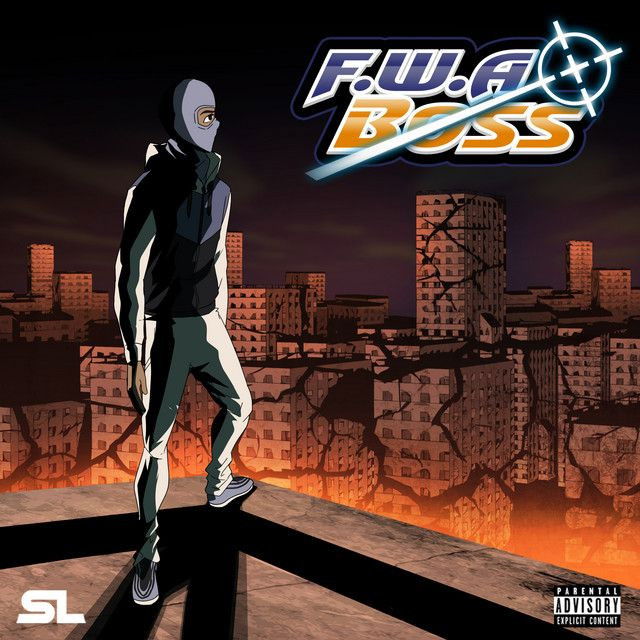
FWA Boss by SL: Power, Desire, and Threat
The meaning of FWA Boss SL comes into focus fast: this is a song about power as performance. SL builds a voice that sounds confident, desired, and dangerous at the same time. The track is not subtle, but that is part of its design. It wants listeners to feel the mix of swagger, temptation, and menace that defines a lot of UK drill.
"FWA Boss" - SL
Said she want to fuck with a boss
Said she want to fuck with a boss
Loading lyrics...
Unable to load lyrics
We're unable to display the lyrics at this time. Please try again later.
Because the lyrics lean on street talk and threats, the song works less like a story with a neat plot and more like a self-portrait. The speaker presents themself as someone who can attract women, move through the night, make money, and handle conflict. In that sense, “boss” is not just a compliment. It is a role they claim and defend.
The Hook Turns Status Into a Whole Identity
The chorus gives the song its core idea. When SL repeats fuck with a boss
, the phrase is about more than romance or lust. It suggests that being with them means being close to status, excitement, and risk.
That matters because the hook immediately slides into motion: late night glide
and bringing it to someone’s area. The song links attraction with mobility. They are always moving, always arriving, always in control of the scene.
Interpretation: the chorus says desire follows power, but it also says power needs an audience. The “boss” identity only works if other people want it, fear it, or talk about it.

Watch the official FWA Boss
music video
Street Reputation Drives the Verses
Much of the meaning of FWA Boss SL comes from how often the song returns to reputation. Lines about people getting punished for how they behaved, and lines condemning talking to police, show a world where image and loyalty carry real consequences.
When the lyric says how you talking to the po-po
, it marks a hard moral line inside the song’s world. Whether listeners take that literally or as part of drill theater, the point is clear: the narrator values silence, allegiance, and retaliation over cooperation.
The same goes for the repeated threat language. These bars are less about detail than about aura. SL uses them to make the speaker seem untouchable. They are not just saying they are respected; they are showing the kind of fear that helps produce respect in drill.
Sex, Flexing, and Violence All Feed One Persona
Another key part of the track is how casually it moves between flirtation and threat. One moment the focus is on women and body imagery. The next, it shifts back to weapons, enemies, or street logistics. That jump is intentional.
In songs like this, attraction is part of status. If someone wants the “boss,” that confirms the image. At the same time, the song keeps reminding listeners that this figure is dangerous. Pleasure and menace are packaged together.
A short phrase like feeling good
matters here. It is not a peaceful kind of happiness. It is pleasure built from money, intoxication, attention, and dominance. The song treats success as something physical and immediate.
A Fast Outline of the Song’s World
- The speaker is desired because they seem powerful.
- They move through late-night spaces with confidence.
- They warn against betrayal and celebrate retaliation.
- They connect money, drugs, sex, and status.
- They end up reinforcing one image: the boss as both fantasy and threat.
What the Sound Adds to the Lyrics
SL is associated with UK drill, a style known for dark beats, sliding bass, sharp percussion, and a cool, controlled vocal tone; outlets like BBC and GRM Daily have covered that wider scene and SL’s emergence within it. Even without detailed production credits here, the song fits that template closely.
That sonic backdrop matters. The beat likely does not overwhelm the voice; it frames it. Drill production often leaves space so threats land cleanly and every flex sounds deliberate. Instead of sounding chaotic, the track feels measured, which makes the persona seem even more self-possessed.
Interpretation: the cold production turns the song into a night drive through a tense city. That is why the recurring movement in the lyrics feels believable. The music creates the road beneath the words.
A Few Key Motifs Keep Reappearing
Several motifs shape the song:
- Night movement: cars, gliding, arriving, leaving.
- Status symbols: money, drugs, sexual attention.
- Enforcement: punishment for disrespect or disloyalty.
- Performance: being seen as the one in charge.
When SL drops a phrase like proof's in the pudding
, it adds a small but useful idea. The speaker does not want to argue about status; they want results to prove it. In other words, the song values demonstration over explanation.
Is There More Than One Meaning?
Yes. The most direct reading is simple: this is a boast track about being desirable, feared, and well-connected. That is the surface, and the song delivers it clearly.
But there is a second reading too. Interpretation: the track can also be heard as a study in how fragile that image is. The constant need to repeat power, loyalty, and readiness suggests that the “boss” persona must be maintained at all times. If respect has to be performed this hard, it may never feel fully secure.
Why the Song Sticks
The meaning of FWA Boss SL is not hidden in metaphor-heavy writing. It is in the blend: seduction, intimidation, and self-branding fused into one voice. SL makes the speaker sound cool under pressure, which is exactly why the song lands.
For listeners in the United States, some slang may feel distant, but the central idea is familiar. The song is about what power looks like when it is built from desire, danger, and public image all at once.
Disclaimer: This interpretation is based on the lyrics, delivery, and genre context. In rap, narrators often use exaggerated or fictionalized personas, so meanings can remain open to debate.









