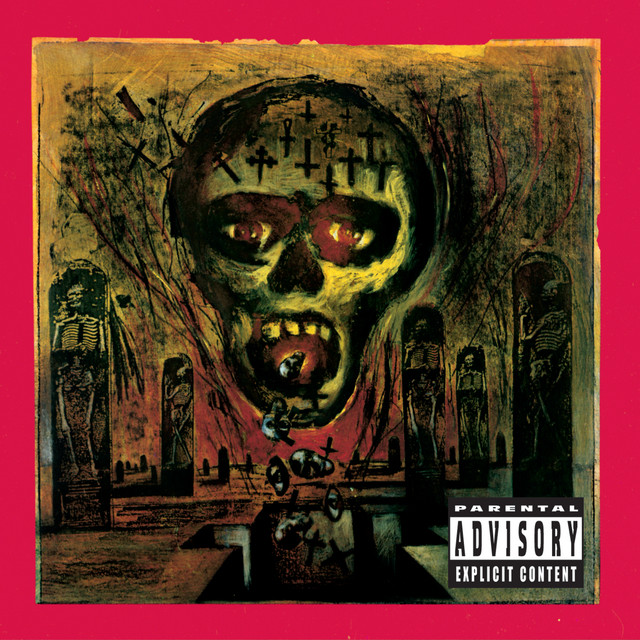
Dead Skin Mask by Slayer Meaning Explained
The meaning of Dead Skin Mask Slayer starts with a blunt fact: the song is built around the crimes and mythology of Ed Gein, the Wisconsin murderer and grave robber whose case influenced later horror culture. Slayer placed the track on Seasons in the Abyss in 1990, and writers Jeff Hanneman and Tom Araya used that subject not to praise violence, but to stage a horror portrait from inside a broken mind, as noted by Songfacts.
"Dead Skin Mask" - Slayer
I've been here all alone
Now that you've arrived
Loading lyrics...
Unable to load lyrics
We're unable to display the lyrics at this time. Please try again later.
A Horror Monologue, Not a Mystery
At its core, the song speaks in the voice of someone who treats the dead as companions, possessions, and objects of desire. The opening invitation sounds almost polite, but that is what makes it so disturbing. When the narrator says stay awhile
and then promises I'll keep you forever
, the words twist ordinary affection into captivity.
That contrast is central to the song’s meaning. Slayer turns the language of welcome, touch, and beauty into something rotten. The effect is not romance; it is possession.

Watch the official Dead Skin Mask
music video
The Real-World Context Behind the Lyrics
Factually, the song refers to Ed Gein. According to Britannica and Songfacts, Gein became infamous for crimes involving exhumed bodies and human remains. The title points directly to that history.
The ending voices strengthen that connection. Songfacts notes that the sampled dialogue includes lines addressed to Mr. Gein
, which turns the final section into a miniature audio scene rather than a simple fade-out. Slayer often drew on extreme topics, but here they used a true-crime figure to create one of their most theatrical songs.
How the Verses Build a Mind in Collapse
The verses move through touch, smell, sight, and fantasy. That sensory writing matters. Instead of focusing only on gore, the song shows how the speaker beautifies death and treats corpses like art objects. Phrases about fingertips and smooth features present a warped tenderness.
Then the song makes the mental collapse explicit. The line Fantasy and reality are the same
acts like the key to the whole piece. It tells listeners that the speaker no longer knows any moral or emotional boundary. They are not simply violent; they are detached from reality itself.
The song’s inner timeline
They can hear the narrative in a few steps:
- The speaker welcomes a new "guest."
- Physical contact is described as soothing and pleasurable.
- The dead become part of the speaker’s dream life.
- Rational thought breaks down.
- The ending voices turn private obsession into a horror scenario.
That structure makes the song feel less like a report and more like an unfolding confession.
What the Chorus Really Means
The chorus is where obsession becomes total. When the narrator says Dance with the dead
and admits The dead have taken my soul
, the song stops being about isolated acts and becomes about identity. Death is no longer outside the speaker. It owns them.
Interpretation: this is why the chorus feels bigger than the verses. The verses describe behavior, but the chorus describes surrender. The speaker is consumed by their fixation, and temptation has replaced conscience.
Symbols That Carry the Song’s Meaning
Several recurring images shape the meaning of Dead Skin Mask Slayer:
- Skin and touch: These suggest intimacy, but in this song intimacy is violated and emptied of humanity.
- Dreams: They show that the speaker’s obsession continues beyond waking life.
- Eyes and faces: These usually signal personality, but here they feel blank, frozen, or artificial.
- Moonlight and fragrance: These details make decay sound beautiful, which is exactly the point. The speaker aestheticizes horror.
Interpretation: Slayer may be showing how evil often hides behind ordinary language and familiar desires. The scariest part is not just the violence. It is the way the narrator makes it sound calm, personal, and even loving.
Why the Music Feels So Unsettling
The production helps sell that reading. Seasons in the Abyss is often praised for balancing Slayer’s speed with darker groove and atmosphere, and this track is a prime example, as reflected in album coverage from AllMusic. Rather than racing nonstop, the song crawls.
That slower pace matters. It gives the riffs room to stalk instead of sprint. The guitars sound heavy and deliberate, while Araya’s vocal delivery lands somewhere between narration and threat. Dave Lombardo’s drumming pushes tension without breaking the spell, and the whole arrangement feels like a descent into a basement of the mind.
Why the ending sticks
The sampled childlike voices at the end are especially effective. They are brief, but they widen the song from internal monologue into implied scene-making. Suddenly, the horror feels external and immediate.
Final Take on the Song’s Message
So, what is the meaning of Dead Skin Mask Slayer? It is a study in obsession, insanity, and the way horror can wear the mask of tenderness. By borrowing the Ed Gein story, Slayer created a song that is less about factual biography than psychological terror.
The track remains memorable because it does two things at once: it shocks with its subject matter, and it unsettles with its calmness. The monster here is not just violent. They are intimate, poetic, and completely lost.
Disclaimer: This interpretation separates documented background from critical reading. Meanings in songs can vary by listener, even when the historical inspiration is clear.








