Epidemic by Slayer: Disease as Total Takeover
The meaning of Epidemic Slayer becomes clearer the moment they frame disease not as a medical problem, but as an enemy invasion. In just over two minutes, Slayer turn infection into a full-scale assault on the body. The song is brutal, fast, and direct, which makes its message hit hard: once this force gets inside, it does not simply hurt them. It takes over.
"Epidemic" - Slayer
Infectious driving dormant seed
Inside your carcass start to mate
Loading lyrics...
Unable to load lyrics
We're unable to display the lyrics at this time. Please try again later.
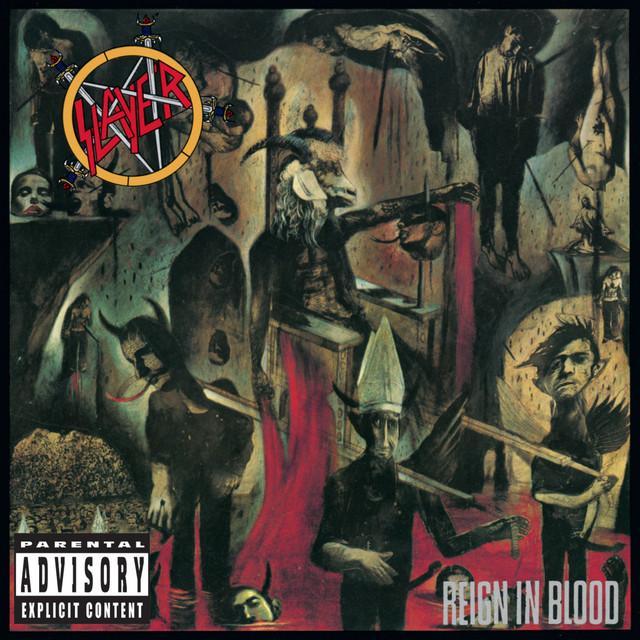
“Epidemic” appears on Reign in Blood, Slayer’s third studio album, released on October 20, 1986. The album was produced by Rick Rubin and Slayer, and it is widely seen as one of thrash metal’s defining records. “Epidemic” was written lyrically by Kerry King, with music by Jeff Hanneman and King. It runs only 2:23, which fits the album’s famously lean and intense design.
What the Song Is Really Attacking
At the most basic level, the song describes an infection spreading through a human body. The words move from reproduction to domination, then to pain, decay, and near-hopeless survival. Early on, the image of germs or parasites breeding fast in poverty
suggests conditions where disease multiplies quickly and gains strength.
That opening matters because Slayer do not describe illness as random. They describe it as something that grows in weakness, neglect, and vulnerability. The song’s language is physical, but it also feels social. Interpretation: they may be using disease as a symbol for any destructive force that thrives when people or systems are already under stress.

Watch the official Epidemic
music video
A Body Turned Into Battlefield
The core of the lyric is invasion. The body is not treated like a safe home. It becomes occupied territory. When the song refers to your inner throne
, it gives the body a kind of command center, then shows that command center being seized.
That image helps explain the song’s terror. The problem is not only pain. It is loss of control. The victim is still physically present, but the disease now rules from inside. Another phrase, floods your veins
, pushes that idea further by making infection feel total. It is in the bloodstream, which means it reaches everywhere.
Interpretation: this is why the song feels more frightening than a simple horror story. It is about being overpowered from within, where defense is hardest.
How the Verses Build the Nightmare
The song follows a simple but effective sequence:
- The infection forms and multiplies.
- It enters the body and begins to dominate.
- It overwhelms organs and chemistry.
- It causes prolonged suffering rather than instant death.
That last point is key. Slayer are not interested in a quick shock. They stretch the fear into endurance. Phrases like permanent disease
and years will pass
suggest a fate that lingers. The horror is not just dying; it is deteriorating slowly while the body stops belonging to them.
This is one reason the meaning of Epidemic Slayer feels so effective. The lyric turns medical decline into existential dread.
Why the Chorus Feels So Crushing
Unlike a chorus that offers release, “Epidemic” tightens the trap. The repeated references to fate, pain, screams, and long-term damage do not open the song up emotionally. They close every exit.
Incapacitate
Fall into your fate
Pain results in screams
Those lines are short, but they work like blunt-force commands. They do not describe healing, resistance, or rescue. They describe surrender to a process already in motion. Interpretation: the chorus sounds almost like a diagnosis being delivered with no comfort attached.
Sound That Moves Like Infection
The production on Reign in Blood is central to the song’s power. Rick Rubin stripped away heavy reverb and aimed for a clear, punchy sound so fast riffs would not blur together. He said he wanted the music to feel like a “pulse,” and Kerry King praised how clearly the band could be heard. That approach is vital on “Epidemic.”
Instead of sounding messy, the track feels precise. The guitars slash forward, Dave Lombardo’s drumming drives with mechanical force, and Tom Araya’s vocal attack sounds urgent rather than theatrical. On an album often cited around an average tempo of 220 beats per minute, speed becomes part of meaning. The music behaves like the disease: fast, efficient, and relentless.
Slayer Context Matters Here
“Epidemic” sits near the end of an album widely credited with shaping American thrash metal. Reign in Blood reached the Billboard 200 and later went Gold in the United States. Critics and musicians have long treated it as a landmark because of its compact songwriting, extreme energy, and lasting influence.
That context helps explain why “Epidemic” works. Slayer did not need a long narrative to create meaning. On this record, songs often hit with a shocking opening, race through violent images, and end before the listener can fully recover. “Epidemic” is a perfect example of that method.
Alternate Readings of the Song
A literal reading is easy to support: the lyrics describe disease, body systems, and progressive collapse. That is the clearest reading.
But another reading also fits. Interpretation: the infection may stand for any corrupting power that enters quietly and then rules completely—fear, war, addiction, or social decay. The wording about domination and overthrow gives the song a political or psychological edge, even if its surface story stays biological.
Final Take on the Meaning
The meaning of Epidemic Slayer is the terror of invasion without escape. Slayer make disease sound organized, intelligent, and merciless. Through violent imagery and razor-sharp speed, they show the body becoming a conquered space.
That is why the song still lands. It is not only about sickness. It is about helplessness, loss of control, and the fear that some forces spread faster than people can stop them.
Disclaimer: This interpretation separates documented facts from critical reading. Meanings in heavy music can remain open, and listeners may hear different layers in the song.







