Why "Silent Scream" by Slayer Still Disturbs
For anyone searching for the meaning of Silent Scream Slayer, the clearest answer is also the hardest one: this is a song about abortion, framed in Slayer’s most graphic and confrontational style. According to Songfacts, the song’s subject is abortion, and the lyrics make that plain through images of fear, damage, and an unborn life denied any voice.
"Silent Scream" - Slayer
A child's dream of death.
Torment, ill forgotten
Loading lyrics...
Unable to load lyrics
We're unable to display the lyrics at this time. Please try again later.
But the song is not just topical. They turn that subject into a nightmare vision of innocence under attack. That is why it still lands with such force.
The Core Meaning Beneath the Shock
At the center of “Silent Scream,” Slayer presents a world where the weakest possible life is trapped inside systems of violence and indifference. The title itself is the key image. A scream is usually heard. Here, it is unheard, denied, or ignored.
That idea runs through the song’s language. Phrases like child's dream of death
and a soul that will never rest
suggest not only physical destruction but also spiritual unrest. The song imagines suffering before life can even fully begin.
Interpretation: They are not offering a balanced policy debate. They are staging a moral horror scene. The point is to make the listener feel cornered by the brutality of the act as they see it.
Watch the official Silent Scream
music video
How the Lyrics Build a World of Fear
The verses do not move in a neat story line. Instead, they pile image upon image: nightmares, torment, scattered life, and damaged innocence. This fragmented method matters because it makes the song feel like trauma itself.
The repeated references to childhood are especially important. When the lyrics mention bearer of no name
, they stress personhood without identity, a life that exists but has not been welcomed into the world. That phrase is one of the song’s cruelest turns because it mixes anonymity with intimacy.
Later, the song circles back to sounds and fire, ending on cries in the night
. By then, the horror has widened. It is no longer just one event. It feels like a permanent atmosphere of guilt, pain, and memory.
The Chorus as Accusation
The chorus is where the song becomes most direct. Instead of staying symbolic, Slayer names harm in blunt, violent terms. The title phrase Silent Scream
works almost like a protest slogan, but one delivered through extreme metal.
Here is the song’s only brief multi-line excerpt, used to show how the hook sharpens the message:
Silent Scream
Beaten and torn
Sacrifice the unborn
Before and after those lines, the song keeps returning to the idea that innocence is being destroyed while society gives it ritual language or emotional distance. In other words, the chorus is not reflective. It is accusatory.
Slayer’s Context Matters
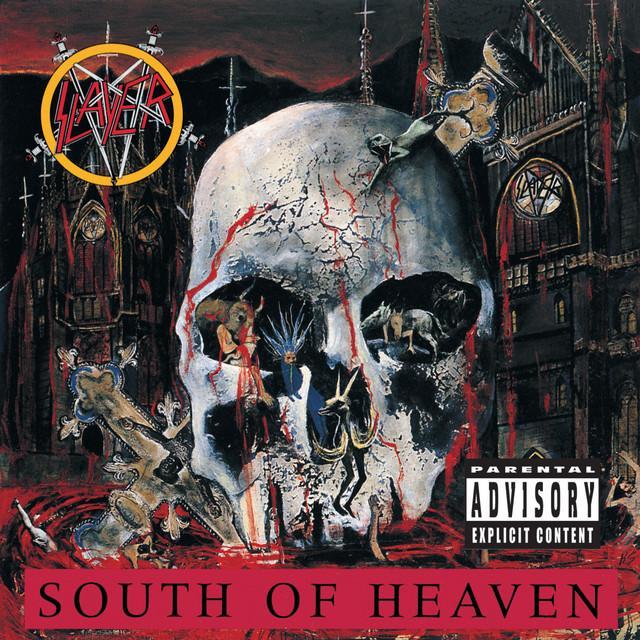
“Silent Scream” appears on South of Heaven (1988), Slayer’s fourth studio album, released by Def Jam/Geffen. Album credits and band discographies consistently place it there, and the song is credited to Jeff Hanneman, Kerry King, and Tom Araya. That matters because South of Heaven arrived after Reign in Blood, an album famous for speed and chaos. On the next record, they often slowed the tempo and made the atmosphere heavier and more ominous.
That shift helps the meaning of Silent Scream Slayer come through. Instead of relying only on breakneck force, they use space, tension, and a creeping dread. The song still hits hard, but it also feels suffocating.
How the Sound Carries the Message
Musically, “Silent Scream” matches its lyrics with sharp contrasts. The guitars cut with a cold, jagged tone, while the rhythm section drives everything forward with a sense of panic. Tom Araya’s vocal is not distant or theatrical. It sounds urgent, like someone spitting out images too awful to soften.
Interpretation: The arrangement mirrors the title. The instruments scream out what the victim cannot. Fast passages create violence; heavier sections create dread. Together, they turn the song into emotional pressure.
This is one reason the song remains effective even for listeners who do not share its exact viewpoint. The production makes the moral disgust feel physical.
Symbols and Motifs Inside the Violence
Several recurring motifs shape the song:
- Infancy and innocence: The lyrics keep returning to children, the unborn, and nameless life.
- Nightmare imagery: Sleep, fear, and persecution make the song feel haunted.
- Religious language: Words like sacrifice and sanctify suggest that society masks violence with moral language.
- Fragmentation: Images of broken or scattered life point to both bodily harm and mental trauma.
These motifs give the song more depth than simple shock value. Even at its most graphic, it is organized around a clear emotional purpose.
More Than a Political Statement
It would be easy to reduce “Silent Scream” to a single-issue song, but that misses part of its reach. Yes, its subject is abortion. Yet it also speaks to dehumanization more broadly: what happens when vulnerable life becomes abstract, hidden, or easier to erase than to face.
Interpretation: That is why the song still unsettles people. It is not only about one act. It is about what kind of emotional numbness allows that act to be framed as manageable, clinical, or forgettable.
Final Take on the Meaning
The meaning of Silent Scream Slayer lies in its refusal to be calm. Slayer takes abortion and translates it into nightmare, accusation, and moral panic. Every part of the song, from its violent imagery to its tense sound, is built to deny distance.
They are not asking listeners to sit back and admire clever writing. They are demanding a reaction.
Disclaimer: This interpretation is based on the song’s lyrics, established song references, and Slayer’s recorded context. As with all art, individual listeners may hear different meanings in it.







