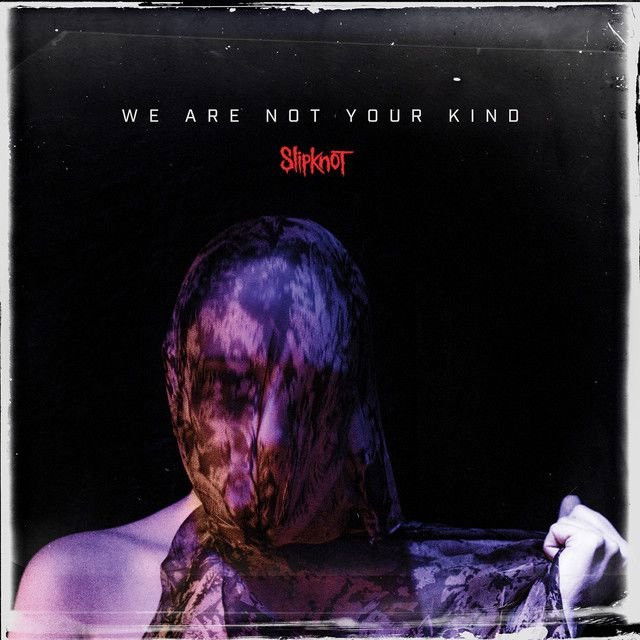
Critical Darling by Slipknot
Why This Song Feels Like a Warning
The meaning of Critical Darling Slipknot centers on collapse: moral collapse, social collapse, and the collapse of the self they thought they could protect. Released on We Are Not Your Kind in 2019, the song sits inside an album that often deals with anxiety, alienation, and distrust. Slipknot confirmed the album’s release details through Roadrunner Records, and the record was produced by Greg Fidelman, a frequent collaborator known for shaping dense, aggressive mixes.
"Critical Darling" - Slipknot
God's in a coma
Put faith in a life support
Loading lyrics...
Unable to load lyrics
We're unable to display the lyrics at this time. Please try again later.
In this song, they sound like they are staring at a broken world and admitting that the damage is already underway. The repeated idea that what is coming has begun
matters because it removes any false comfort. This is not a threat about the future. In the song’s world, the disaster has already started.
Watch the official Critical Darling
music video
A Voice Trapped Between Blame and Self-Blame
One of the strongest tensions in the lyric is that the speaker attacks others while also accusing themselves. They describe being surrounded by manipulators and parasites, but they also admit they are breaking a promise
to an earlier version of themselves. That confession gives the song more depth than a simple rant.
Interpretation: the narrator may be talking to a specific person, but the target also feels symbolic. The title phrase you’re so critical
can mean judgmental, cold, and impossible to satisfy. At the same time, “critical” can mean essential or dangerous, as in a crisis point. Slipknot seem to use both meanings at once.
Who Is the “Darling”?
The word “darling” sounds affectionate, but here it lands with sarcasm. Instead of warmth, it feels like a cutting nickname for someone who constantly judges, drains, or destabilizes others. That contrast makes the hook memorable: a tender word paired with a hostile accusation.
The Song’s World: Faith, Decay, and False Comfort
Early images in the song are huge and apocalyptic. The opening line about God’s in a coma
presents a world where moral order is absent or unreachable. That does not have to be read as a direct religious statement. More likely, it suggests a spiritual emergency: people no longer trust the systems that once gave life meaning.
The song keeps building that mood with images of purgatory, webs, leeches, and dead things being celebrated. All of that points to corruption that has become normal. People are not just trapped; they are living inside the trap and decorating it.
A mirror only works if you open your eyes
Even then you have to understand what’s inside
This is the article’s clearest self-examination moment. The song argues that truth is available, but people avoid it. Even if they look at themselves honestly, they still have to process what they see. In other words, awareness is only the first step. Understanding is harder.
How the Chorus Sharpens the Meaning
The chorus turns the song from private anger into a larger statement about humanity. When they suggest people deny hell because they cannot accept heaven, the idea is not really theology alone. It is about denial. People want to escape consequences by pretending moral categories are fake.
That helps explain the emotional power of the refrain. The hook does not offer rescue. It says society lies to itself, and those lies make collapse easier. The repeated language gives the song a marching, doomed feeling, as if each return of the chorus confirms the same ugly truth.
Sound Design: Why It Feels Like a Cave-In
The production carries as much meaning as the lyric. Slipknot’s lineup on this era included Corey Taylor, Jim Root, Mick Thomson, Sid Wilson, Shawn Crahan, Craig Jones, Alessandro Venturella, and Jay Weinberg, with writing credited to the full band members listed for the track. Their official site and album credits document the era’s personnel and release context at Slipknot’s website.
Musically, “Critical Darling” moves like pressure building inside a sealed room. The guitars grind instead of simply riffing, the drums push with a militaristic force, and the vocals swing between accusation and collapse. When the song reaches the repeated title phrase, it feels obsessive rather than catchy.
Interpretation: that repetition mirrors the mental loop of someone stuck on betrayal or disgust. The song title becomes less like a label and more like a fixation they cannot stop repeating.
The Soft-Hard Contrast Matters
Slipknot are often strongest when they contrast melody with violence, and that happens here. The song shifts between controlled passages and explosive ones. That structure fits the theme: they are trying to reason through ruin, but ruin keeps interrupting.
Two Strong Readings of “Critical Darling”
There are at least two useful ways to read the song:
- A personal betrayal song. The “darling” is one toxic person who judges, deceives, and drains the narrator.
- A social critique. The “darling” is modern culture itself: cynical, self-righteous, and addicted to collapse.
Both readings fit because the lyrics move between “I,” “you,” and “we.” That shifting point of view makes the song feel bigger than one argument. It becomes a picture of shared damage.
Final Take on the Meaning of Critical Darling Slipknot
The meaning of Critical Darling Slipknot is about seeing a crisis clearly and realizing that judgment, denial, and self-deception helped create it. The song is angry, but it is also reflective. It blames predators, false morals, and hollow culture, yet it never lets the speaker escape guilt completely.
That balance is what makes “Critical Darling” hit so hard. They are not just screaming at the ruins. They are admitting they live inside them too.
Disclaimer: This interpretation is based on the song’s lyrics, recorded performance, and publicly available release context. Like most Slipknot songs, it remains open to multiple readings.








