Why Slipknot’s “Custer” Feels Like a Last Stand
Slipknot’s “Custer” isn’t a history lesson—it’s a battle stance. On .5: The Gray Chapter, they faced grief, turnover, and public doubt. This track answers all of that with a challenge, a sneer, and a rallying drumbeat. For readers searching for the meaning of Custer Slipknot, it helps to hear the song as a declaration of survival in a hostile arena.
"Custer" - Slipknot
Da, dat-dat-da, dat-dat-da-da-da
(Yeah)
Loading lyrics...
Unable to load lyrics
We're unable to display the lyrics at this time. Please try again later.
A Rallying Cry, Not a History Lesson
At its core, “Custer” is about refusing to be defined by outsiders. The speaker sees a world where bold ideas get dismissed, where noise drowns nuance. That’s why they lean into defiance with lines like Irreverence is my disease
, which embraces rule-breaking as identity, not flaw.
Slipknot pair that with a hard truth: victory offers no comfort. When the song repeats The last man standing gets no pity
, it suggests that outlasting critics won’t win their sympathy. The statement feels both brag and warning—survive anyway, but don’t expect applause.

Watch the official Custer
music video
Who’s Talking—and Who’s in the Crosshairs
The voice is first-person and fed up. They’re talking to anyone who plays judge and jury: trend-chasing artists, clickbait culture, and fair-weather fans. The taunt You want to win the war?
followed by know what you’re fighting for
calls out empty outrage. It’s a dare to think before joining the pile-on.
This stance matches Slipknot’s broader ethos. They’ve always turned contempt into fuel, but here the target widens from personal enemies to a whole ecosystem that elevates hot takes over hard work. The song is scolding and motivational at once.
Graffiti, War Talk, and the Plot Underneath
“Custer” moves like a rant with purpose. It opens like a mock public-service alert, then pivots to frustration with modern life and the smallness of violent minds. Restlessness flares in lines like never seem to get enough
, capturing hunger for something real in a shallow loop.
The imagery gets grim and cosmic: This planet isn’t special
shrinks human pride, while bathroom-wall wisdom becomes a sudden epiphany. The thread tying it together is disgust with conformity—how “common” behavior crushes what’s exceptional. The tension builds toward confrontation, not retreat.
Why the Title Matters: Custer and Comebacks
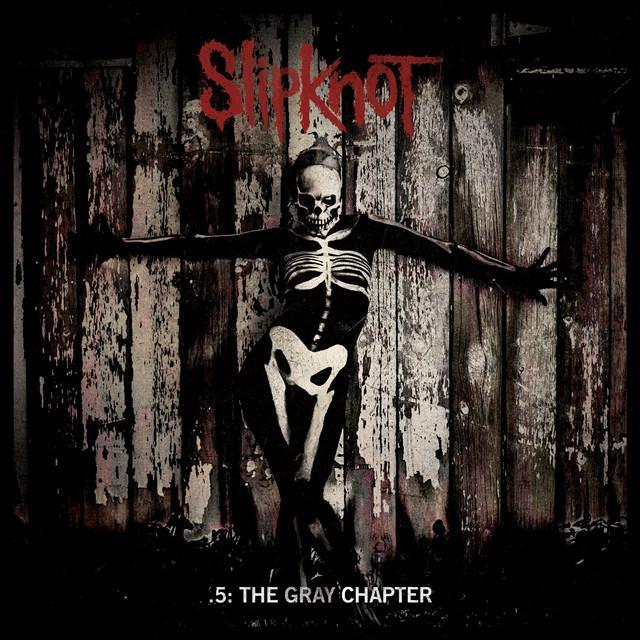
The title nods to General George Custer, remembered for his disastrous “last stand.” Slipknot flip that image. Around this album cycle, they had lost bassist Paul Gray and parted with drummer Joey Jordison—events that sparked doubts about their future. Corey Taylor has said the song channels anger at people who were ready to write the band’s story for them. In that light, “Custer” means: if this is a last stand, they’re choosing it—and they plan to win.
So, the meaning of Custer Slipknot boils down to reclamation. The band refuses martyrdom and refuses villainy. They will define themselves, even if the world prefers an easier headline.
Sound as Weapon: Riffs, Drums, and a Mob Feel
Musically, “Custer” weaponizes groove. The drums hit like a field march; toms and snare accents feel almost militaristic, while the guitars churn in tight, mid-tempo patterns. The arrangement leaves space for a gang-vocal effect, turning the hook into a massed chant.
That chant quality is key. It invites the crowd into the performance, blurring artist and audience. Onstage—captured at Knotfest 2014—the track becomes a ritual of stomp, shout, release. The production keeps vocals upfront but rough around the edges, so Taylor’s sneer cuts through the mix like a command.
Alternate Lenses and the Bottom Line
Interpretation: One reading hears the chorus’s self-destructive tone as satire—mocking how media caricatures metal as violent and mindless. Another hears it as honest catharsis, a way to vent the urge to break things before it breaks you. Both readings fit the band’s history of turning pain into spectacle and relief.
Either way, the song lands the same message: think for yourself. “Custer” rejects easy narratives and dares listeners to question the fight they’re joining. That’s why the line know what you’re fighting for
stings—it’s a demand for purpose in a culture of reflex.
Final takeaway: the meaning of Custer Slipknot is a refusal to be written off, a vow to push forward even when victory brings no tenderness. It’s their chosen stand—loud, messy, and absolutely deliberate.
Disclaimer: Song meanings are subjective. This article reflects one informed interpretation based on lyrics, band context, and public commentary.