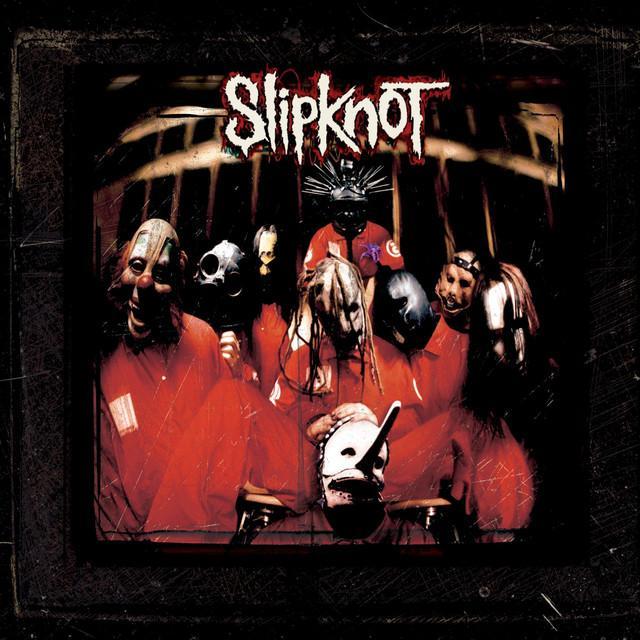
Eyeless by Slipknot: Rage, Trauma, and Blind Spots
Slipknot’s “Eyeless” is one of the band’s most chaotic early songs, but its message is more focused than its noise first suggests. The meaning of Eyeless Slipknot comes down to a young person trying to make sense of abandonment, emotional damage, and the anger that follows when others dismiss that pain.
"Eyeless" - Slipknot
I'm hearing voices but all they do is complain
How many times have you wanted to kill
Loading lyrics...
Unable to load lyrics
We're unable to display the lyrics at this time. Please try again later.
The track appears on Slipknot’s self-titled debut album, released in 1999, and fan and reference sources identify it as the album’s third track. Those same sources also connect the song directly to Corey Taylor’s relationship with his absent father and to the emotional confusion of growing up unheard.
The Core Meaning Hiding Inside the Chaos
At its center, “Eyeless” sounds like a personal breakdown turned outward. The speaker is furious, but the fury has a history. Early lines frame a mind under pressure, using phrases like only motherfucker with a brain
and hearing voices
not as literal diagnosis, but as exaggerated ways to show isolation and mental overload.
Interpretation: the song is not just about anger for its own sake. It is about what happens when hurt sits too long without help. The lyrics swing between aggression, self-loathing, and accusation because the narrator feels trapped between inner pain and outside misunderstanding.
That feeling sharpens in the family material. When the song says I am my father’s son
and calls that father a phantom, it gives the chaos a source. According to song-reference reporting, Taylor later explained that the song was about not knowing his dad and about people minimizing real trauma.
Watch the official Eyeless
music video
The Father Wound at the Center
The most direct theme in “Eyeless” is absence. The father figure is not just gone; he is unknowable. That matters because the lyrics treat identity as inheritance. If a father is a ghost, then the child is left with questions instead of guidance.
This is why the song feels so hostile toward both self and others. The narrator is not simply attacking the world. They are reacting to a missing foundation. A line like that leaves me nothing
turns abandonment into emotional emptiness.
Songfacts and Slipknot fan documentation both tie the song to Taylor’s estranged father and troubled youth. Those sources also note that Taylor did not know his father during his early life, which supports reading the song as a confrontation with inherited pain rather than a random outburst.
Why the Chorus Sounds So Strange
The song’s most famous line, Marlon Brando’s eyes
, sounds bizarre on purpose. Reports say it came from a homeless man who yelled the phrase at the band in New York around the time of their Roadrunner signing. Shawn Crahan reportedly wrote it down, and Corey Taylor used it.
Interpretation: inside the song, the line works as an image of borrowed vision. Brando was a giant screen presence, a face linked with fame, performance, and myth. Saying someone cannot “see” without his eyes suggests distorted perception: reality filtered through another image, another mask, another role.
That idea fits a band obsessed with identity and concealment. It also fits a narrator who cannot clearly understand family, pain, or self. In that sense, “eyeless” is not total blindness. It is broken sight.
“It’s All in Your Head” Is the Real Trigger
The song’s most revealing refrain may be it’s all in your head
. That phrase captures the insult buried under the rage. It suggests adults, therapists, or authority figures treating real damage as exaggeration.
Songfacts quotes Taylor describing that line as a metaphor tied to the way psychotherapy and dismissive adults could make young people feel unheard. He connected the song to experiences like abuse, early drug exposure, and being told those problems did not matter.
That context changes the song. What first sounds like random profanity becomes a fight against erasure. The narrator is saying the pain is real, even if nobody wants to face it.
How Slipknot’s Sound Makes the Meaning Hit Harder
“Eyeless” would not carry the same meaning if it were calm. The band’s performance turns emotional instability into sound. Joey Jordison’s drumming pushes the song forward at a near-panic speed, while the guitars slash rather than groove. Sid Wilson’s turntables and the band’s layered percussion make the mix feel crowded and claustrophobic.
Taylor’s vocal delivery matters just as much. He moves from barked lines to near-hysterical shouts, as if thought is collapsing into impulse. The production on Slipknot often emphasizes impact over polish, and that roughness helps “Eyeless” feel immediate instead of theatrical.
Interpretation: the arrangement mirrors trauma logic. There is no smooth emotional arc, only repeated intrusion. The song keeps returning to the same images and same anger because unresolved pain tends to repeat itself.
A Second Reading: Identity Under a Mask
There is another useful way to hear the track. Beyond family trauma, “Eyeless” can also be read as a song about identity breaking apart under pressure. The repeated attacks, the unstable point of view, and the demand to be seen all suggest a person who fears they exist only through damage.
That reading gives extra weight to the closing image of a brand new eye
. It sounds violent, but also transformative. They may be imagining a new way of seeing after pain, even if that new vision comes through rage first.
Why “Eyeless” Still Connects
Part of the meaning of Eyeless Slipknot lies in how honestly ugly it is. The song does not clean up trauma or make anger noble. It shows what it feels like when neglect, confusion, and dismissal pile up until the only available language is explosion.
That is why the track still matters to listeners. Beneath the noise, it speaks to a simple fear: that real pain will be treated as unreal.
Disclaimer: This interpretation mixes documented context with critical reading. Slipknot’s songs often invite multiple meanings, so some points above are informed interpretation rather than confirmed fact.