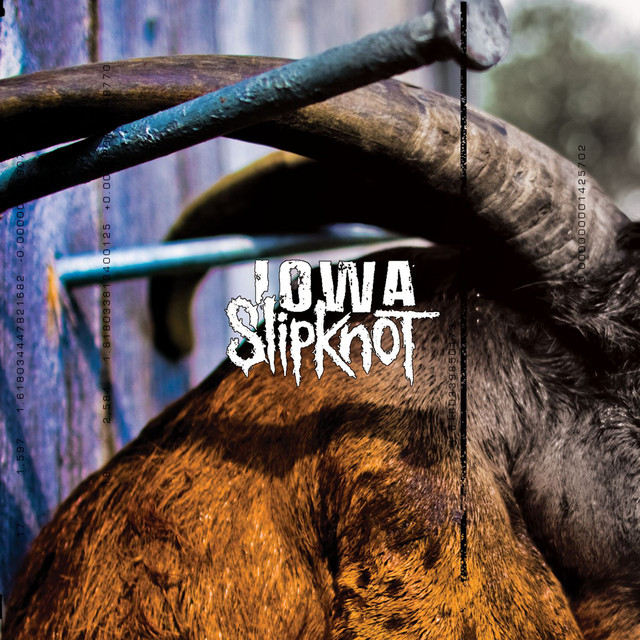
I Am Hated by Slipknot
What happens when a band stops asking to be understood and turns hatred into a badge? That is the tension driving the meaning of I Am Hated Slipknot.
"I Am Hated" - Slipknot
Two times the devil with all the significance
Dragged and raped for the love of a mob
Loading lyrics...
Unable to load lyrics
We're unable to display the lyrics at this time. Please try again later.
Why This Song Hits Like a Threat
Slipknot's I Am Hated is less a story than an emotional detonation. Released as the tenth track on Iowa in 2001, it arrives during the album's most punishing stretch, when the band's anger feels aimed at the music scene, the public, and themselves at once. Fan and discography sources list it on Iowa, Slipknot's second studio album on Roadrunner Records.
In simple terms, the song is about embracing the role of outsider. The speaker believes the world has already marked them as the enemy, so they stop trying to be accepted. Instead, they answer contempt with even more contempt.
That is why the title phrase matters. When they repeat I am hated
, it does not sound like a plea for sympathy. It sounds like surrender turned into power.
Watch the official I Am Hated
music video
The Core Meaning Beneath the Rage
At the center of the song is a push-pull between victimhood and defiance. Early lines frame the speaker as hunted and publicly torn apart. From there, the song pivots into attack mode, mocking fake toughness, shallow grief, and what they see as a recycled culture of frauds and trend-followers.
Interpretation: the song suggests that hatred can become identity. If the world insists on seeing them as ugly, dangerous, or unwanted, they decide to own that image before anyone else can use it against them.
That makes the refrain the only answer
especially important. The song is not calmly arguing for a better path. It is claiming that violent honesty is better than polite pretending.
Who They Are Fighting
Part of the meaning of I Am Hated Slipknot comes from how wide the target is. The lyrics attack:
- authority and gatekeepers
- fake rebels and copycats
- social pressure to look acceptable
- a crowd that consumes pain as spectacle
The song's insults are broad on purpose. It is written like a mass accusation, not a private conversation. Even when it says You are hated
, the point is larger than one person. Hatred becomes a social condition shared by outcasts, fans, and the band itself.
The "Fat and Ugly" Line in Context
One of the song's most memorable moments is the boast about being fat and ugly and proud
. In fan-documented background, that line has been connected to a mocking answer to insults directed at Slipknot's fanbase, including a reported jab about "fat, ugly kids." Whether heard as direct retaliation or broader rebellion, the line rejects beauty standards and respectability politics.
That matters because the song keeps asking who gets to decide what is acceptable. Its answer is simple: not the crowd.
How the Chorus Changes the Message
The chorus makes the song bigger than personal anger. In the verses, the speaker sounds paranoid, disgusted, and aggressive. In the hook, the voice shifts toward a collective "we," which turns isolation into a warped kind of community.
We arethe anti-cancer
We arethe only answer
This is the article's only brief multi-line lyric quote, and it captures the song's most extreme move: the band casts itself not as sick, but as the cure. That is obviously exaggerated and confrontational. Still, the idea is clear. They believe destruction is necessary because the culture around them is already rotten.
Interpretation: this is not a literal claim to moral purity. It is a self-mythology of outsiders who think only total refusal can cut through fakery.
Sound as Meaning, Not Just Noise
The music carries this message just as hard as the words do. Iowa is widely known for its harsh production, hyper-physical drumming, and dense layering, and this track uses those traits to sound cornered and explosive.
The guitars grind instead of glide. The drums push with a near-march intensity, making the song feel like forward motion without relief. The turntable and percussion textures add abrasion, as if the track itself is being scraped raw.
Corey Taylor's vocal approach is key. He does not simply scream; he snaps between rhythmic phrasing and throat-shredding attack. That makes the speaker sound unstable but focused, which fits lines like you'll never know
. The song keeps suggesting there is an inner self that remains hidden even while the outer self is lashing out.
Two Strong Readings of the Song
There are at least two convincing ways to hear it.
Reading One: A War Against the Fake World
On this reading, the song is a manifesto against phoniness. It attacks scene politics, false rebellion, and shallow performance. Hatred becomes a sign that they have refused to play along.
Reading Two: Self-Loathing in Armor
A deeper reading hears burnout underneath the swagger. The repeated claims about misery and not needing this anymore hint at psychic exhaustion. In that version, the aggression is protective gear. They are not only attacking the world; they are trying not to collapse under it.
Both readings can be true at once. That tension is what gives the song staying power.
Why "I Am Hated" Still Connects
The reason the meaning of I Am Hated Slipknot still lands is that it captures a familiar feeling in extreme form: being judged before being understood. Most listeners will not share the song's violent language, but many recognize the emotional engine behind it.
Slipknot turns shame into theater, and theater into solidarity. They take a humiliating label and make it thunder back at the crowd.
Final Take
<I>"I Am Hated"</I> is about alienation becoming identity. It is ugly on purpose, because the song believes ugliness can be more honest than performance.
That is an interpretation, not a definitive statement from the band. As with most Slipknot songs, meaning comes from the collision of lyrics, sound, era, and listener experience.