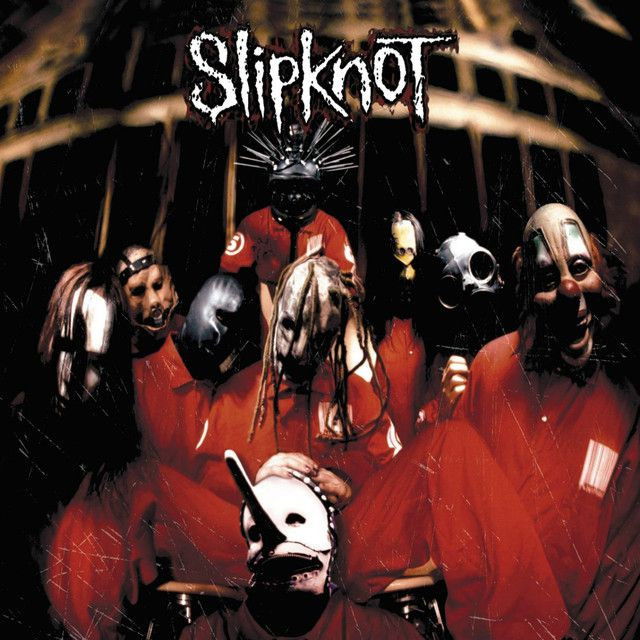
Prosthetics by Slipknot
Slipknot’s “Prosthetics” is one of their most disturbing early songs because it strips away fantasy and sits inside a mind that confuses desire with ownership.
"Prosthetics" - Slipknot
Provided by LyricFindEven if you run, I will find you
I decided I wanted you
Now I know, I needLoading...Loading lyrics...
Unable to load lyrics
We're unable to display the lyrics at this time. Please try again later.
Why the meaning of Prosthetics Slipknot still unsettles
The meaning of Prosthetics Slipknot centers on obsession, captivity, and a broken sense of intimacy. On the surface, the lyrics play like a stalker narrative. The speaker does not describe love as mutual or tender. They describe pursuit, possession, and control.
That makes the song feel less like a confession of romance and more like a psychological horror scene. The repeated insistence that the other person will belong to them turns desire into a threat. Even before the song becomes explicit about locked spaces and watching, the emotional tone is already invasive.
Factually, “Prosthetics” appeared on Slipknot’s 1999 self-titled debut, and research around the song says it was inspired by the 1965 film The Collector. That connection matters because The Collector is also about turning fascination into imprisonment. Early versions of the song were reportedly known as “Killing Leslie,” which points to how long this dark concept existed in the band’s early material.
Watch the official Prosthetics
music video
A narrator who mistakes desire for destiny
One of the key ideas in the song is that the narrator treats wanting someone as proof they deserve them. When they say you will be mine
, it is not framed as hope. It sounds like a sentence being handed down.
That is why the song is so effective. It shows a person erasing another person’s freedom in real time. The victim is not treated as a partner with feelings. They are reduced to an object the speaker thinks they have “found” and claimed.
Interpretation: The song may be exploring the ugliest version of obsession: the point where fantasy starts replacing reality. The speaker talks as if fate agrees with them, but the details show the opposite. This is not destiny. It is delusion.
The story inside the lyrics
The song has a rough timeline, and that helps explain its meaning.
- First, the narrator announces pursuit. Phrases like
even if you run
tell the listener escape is already part of the scenario. - Next, they describe noticing the victim and acting on impulse. The image of someone at an open window gives the song a sudden, cinematic turn.
- Then the song shifts into captivity. The narrator speaks about the other person being there to stay, with doors locked and windows shut.
- Finally, they spiral into panic and self-awareness, repeating that it was a mistake while still refusing to undo it.
That last piece is important. The narrator is not totally unaware. They seem to know they have crossed a line. When they repeat I knew it was a mistake
, they admit moral failure, but they do not change course.
Claustrophobia is the real setting
More than any single image, the song’s setting is confinement. Once the lyrics mention all the doors are locked
, the song turns from threatening fantasy into a sealed room.
That image does two things at once. It traps the victim physically, but it also traps the narrator mentally. They are stuck inside their obsession, repeating the same claims and questions until the song feels airless.
Interpretation: This is where the title becomes interesting. “Prosthetics” suggests something artificial added to replace what is missing. The narrator may be trying to force a fake version of closeness where real connection does not exist. In that reading, captivity becomes a grotesque substitute for intimacy.
How Slipknot’s sound deepens the horror
The music is a huge part of the song’s impact. Instead of racing forward, “Prosthetics” crawls. That slower, stalking pace gives the listener time to sit in the discomfort.
The guitars grind rather than soar. The percussion feels heavy and ritualistic. Corey Taylor’s vocal moves between muttered fixation and explosive rage, which mirrors a mind trying to justify itself and then breaking apart. By the time the bridge circles around what the fuck is different?
, the song sounds less like a plan and more like a mental collapse.
This is one reason “Prosthetics” stands out on the debut album. Slipknot were already known for chaos, but this track proves they could create dread through restraint too. They do not need speed alone; they build terror through repetition, space, and pressure.
A film influence that sharpens the reading
Reports tied to the song say it was inspired by The Collector. That is a useful piece of context because the film is about a man who treats a human being like something to acquire.
With that in mind, lines about watching, taking, and keeping someone at home feel less random and more deliberately cinematic. Slipknot are not simply writing a shocking song. They are stepping into the voice of a captor and letting that voice expose itself.
Still, listeners do not need the movie reference to understand the core message. The song’s language makes the power imbalance painfully clear on its own.
What “Prosthetics” says about early Slipknot
The song shows how early Slipknot mixed extreme metal with character-driven writing. Rather than aiming only for anger, they built a scene, a speaker, and a mood.
That approach helps explain why the track still lingers with listeners. It is not just loud. It is specific. It studies coercion, false intimacy, and the ugly need to possess.
In plain terms, the meaning of Prosthetics Slipknot is about obsession so warped that it becomes imprisonment. The song is frightening because the narrator keeps trying to dress violence up as need.
Final take on the song’s dark power
“Prosthetics” works because it never asks the listener to admire the speaker. It traps them in that speaker’s point of view long enough to feel how sick it is.
That makes the song one of Slipknot’s bleakest early portraits of control, delusion, and emotional rot. Interpretation: It is best read as a horror narrative, not an endorsement of the behavior it depicts.
Disclaimer: Song meaning is always open to interpretation. This reading separates documented background from critical interpretation of the lyrics and sound.