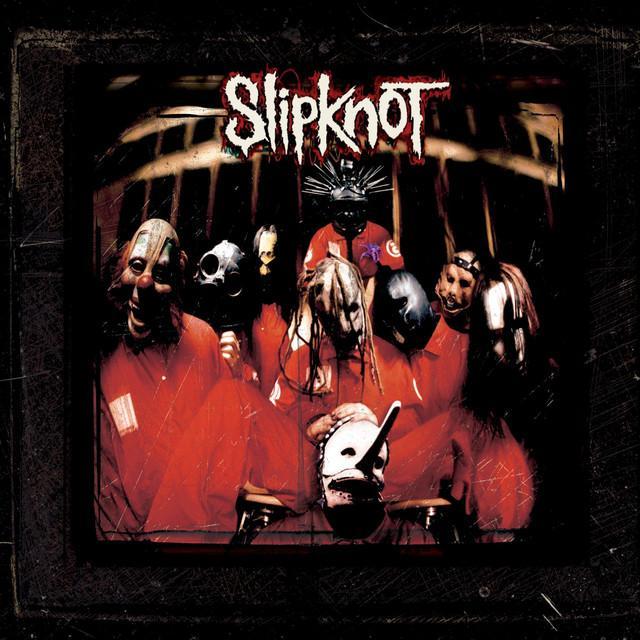
Spit It Out by Slipknot
The meaning of Spit It Out Slipknot starts with rage, but it lands on something bigger: the refusal to be mocked, managed, or silenced.
"Spit It Out" - Slipknot
Maybe it's time you had the tables turned
'Cause in the interest of all involved I got the problem solved
Loading lyrics...
Unable to load lyrics
We're unable to display the lyrics at this time. Please try again later.
Where the Song's Anger Really Comes From
Slipknot's "Spit It Out" appeared on their 1999 self-titled debut and was later released as a single in 2000. It was recorded during the band's early rise, when their identity was still being tested by local gatekeepers and scene politics. Sources including Songfacts say the song was written in retaliation against people connected to a Des Moines radio-station feud involving Lazer 103.3 and rival-band drama, not just as a general outburst of anger.
That background matters because the lyrics are unusually direct even by Slipknot standards. This is not vague pain or abstract horror. It sounds like a public dressing-down aimed at critics, rumor-spreaders, and anyone trying to block the band's path.
Factual context: the song is widely listed as a nu metal and rap metal track from Slipknot, produced by Ross Robinson and Sean McMahon. It was released as the second and final single from that album and became one of the band's most recognizable early songs.

Watch the official Spit It Out
music video
The Core Meaning: Say It Plain or Get Exposed
At its heart, the song is about forcing hidden hostility into the open. The title phrase Spit it out
works like a challenge: stop whispering, stop spreading rumors, and say the problem directly.
That idea runs through the whole song. The speaker does not want passive-aggressive attacks or backstage politics. They want honesty, even if that honesty turns ugly. In that sense, the song is less about random violence than about stripping away fake behavior.
Interpretation: the repeated demand to speak up reflects Slipknot's larger early image. They often presented themselves as a band that would rather explode than play nice for approval. Here, confrontation becomes a kind of truth test.
How the Verses Build a War of Words
The verses throw insult after insult, but they are not random. They create a clear picture of the enemy: a loud person with no real power, someone who spreads gossip, hides behind others, and tries to weaken the band socially before facing them directly.
Short lines like verdict is guilty
and drag me down
show how the song frames the conflict. One side judges, whispers, and undercuts. The other side answers with total aggression.
There is also a theme of exposure. The song keeps suggesting that these enemies are performative, weak, or fake under pressure. When Slipknot insults them, the point is not subtle character study. The point is to tear away their pose.
A Quick Narrative of the Song
- Someone has already crossed a line.
- The speaker decides the score will be settled publicly.
- Rumors, betrayal, and scene politics come into focus.
- The chorus turns that conflict into a blunt command.
- The ending sounds almost triumphant, as if the enemy has run out of moves.
Why the Chorus Hits So Hard
The chorus is simple, which is why it sticks. By reducing the battle to drag me down
versus stamp you out
, the song becomes easy to chant and impossible to misunderstand.
That simplicity gives the track its power. The verses are crowded with taunts, but the hook boils everything down to sabotage versus survival. If others want to pull Slipknot backward, Slipknot's answer is total resistance.
All you wanna do is drag me down
All I wanna do is stamp you out
Interpretation: this is not a thoughtful peace offer. It is a scorched-earth response to humiliation. That is part of why the song connected with fans who felt judged, cornered, or underestimated.
The Sound of Pressure Boiling Over
"Spit It Out" means as much through sound as through lyrics. Critics have described it as a speed-driven rap metal song, and that label fits. The track moves at a near-panic pace, with Corey Taylor firing words in clipped bursts while the band attacks around him.
Joey Jordison's drumming pushes the song forward like a chase scene. The guitars slash instead of groove, and Sid Wilson's turntables help give the track its twitchy, hostile edge. The result feels less like a conversation than a pile-on.
This production style supports the meaning perfectly. There is no room to breathe, which mirrors the feeling of being surrounded by rumors, insults, and scene politics. Ross Robinson's approach on Slipknot's early work often emphasized rawness over polish, and that rough energy helps the song feel immediate rather than theatrical.
Context Beyond the Lyrics: Video and Live Ritual
The music video leaned into horror by referencing The Shining, mixing performance footage with film homage. According to reports, MTV initially rejected the more violent cut before a re-edited version aired. That visual frame adds madness and menace, but it does not erase the song's real-world roots.
Live, the song grew even bigger. Its bridge became famous for the crowd-participation moment now known as Slipknot's zero bulls--t
routine, where fans crouch before exploding upward on cue. That transformed the song from a personal retaliation track into a communal release.
Why the Song Still Connects
Part of the meaning of Spit It Out Slipknot is timeless because many listeners know what it feels like to be talked about, written off, or baited into silence. They may not share the song's exact level of fury, but they recognize the emotional core.
The song also captures an important stage in Slipknot's story. It is the sound of a band refusing to be shaped by local approval. In that sense, "Spit It Out" is both an attack and a mission statement.
Final Take: A Threat, a Challenge, and a Self-Definition
"Spit It Out" is about enemies, yes, but more specifically it is about demanding honesty from people who prefer cheap shots and rumor campaigns. Its language is brutal, its pace is frantic, and its hook turns defense into attack.
Interpretation: the song works best when heard as Slipknot's early declaration that they would answer contempt with louder contempt. That may not be noble, but it is honest, and that honesty is what gives the track its staying power.
Disclaimer: Song meaning can be subjective. This reading combines documented background with interpretation of lyrics, performance, and production.