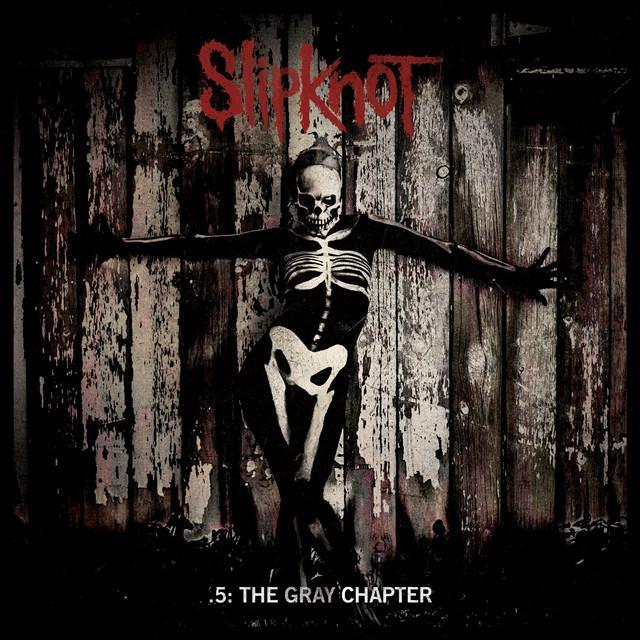
The Devil in I by Slipknot
Slipknot turn inner conflict into a metal anthem, making personal darkness sound huge, raw, and painfully human.
"The Devil in I" - Slipknot
Provided by LyricFindUndo these chains, my friend
I'll show you the rage I've hidden
Perish the sacramentLoading...Loading lyrics...
Unable to load lyrics
We're unable to display the lyrics at this time. Please try again later.
Why the meaning of The Devil in I Slipknot hits so hard
The meaning of The Devil in I Slipknot centers on inner war. At its core, the song is about facing the darkest parts of the self instead of hiding them. That includes rage, guilt, grief, and the urge to give up.
Corey Taylor explained that the song is about “the war inside yourself” and trying not to give in to defeatism or negativity, as reported by Songfacts and attributed to The Pulse of Radio. That makes the title less about a literal devil and more about the destructive force a person carries within.
There is also a strong grief context behind it. Taylor later said he had to write the song to understand how he was dealing with the death of his friend, a reference to bassist Paul Gray. That link matters because The Devil in I appears on .5: The Gray Chapter, the 2014 album shaped by loss and recovery.

Watch the official The Devil in I
music video
A voice split between accusation and confession
One reason the song feels intense is that its speaker does not sound fully stable or fully innocent. They move between addressing another person and exposing themselves.
Early lines describe restraint breaking apart, using phrases like Undo these chains
and rage I've hidden
. Paraphrased, the song begins as if buried emotion is finally coming loose. The voice sounds ready to admit what has been suppressed, but it also sounds confrontational.
That tension matters. When the singer says you and I
, the conflict becomes shared. They are not just blaming someone else. They are admitting that both sides are involved in damage, disappointment, and denial.
The chorus turns inward
The hook is the key to the whole song. The phrase see the devil in I
is a challenge to look within. It asks for self-recognition, not escape.
In plain terms, the chorus says that the real enemy may not be outside at all. The repeated invitation to “step inside” suggests that truth is found through self-examination. Then the line not your devil anymore
adds a second idea: the speaker is rejecting a role they once played.
Interpretation: that can mean they are refusing to be someone else’s scapegoat. It can also mean they are trying to stop identifying with their own worst impulses. Both readings fit the song’s emotional push and pull.
Grief sits underneath the anger
Even when the song sounds furious, grief seems to drive it. Research around the album consistently ties several songs to the band’s struggle after Paul Gray’s death in 2010. Corey Taylor described the depression, anger, and guilt that followed, and said songs like this helped the band process those feelings.
That context changes how the harsher lines land. They no longer sound like shock for its own sake. Instead, they feel like the language of mourning when mourning has turned corrosive.
Too many times
we've let it come to this
Those lines are short, but they carry the weight of repetition and regret. The song suggests that pain becomes more dangerous when it is ignored for too long.
Images of religion, lies, and broken identity
Slipknot pack the verses with symbols of moral collapse. Words about sacrament, temptation, fathers, lies, and false appearances create a world where trust has decayed.
These are not neat story details. They work more like emotional clues. Religion-related language hints at guilt and violated belief. References to deception imply that the self has become divided. The song keeps returning to the idea that people are not what they seem, especially when trauma and resentment take over.
Interpretation: the “devil” is not just anger. It may also be selfishness, emotional numbness, and the temptation to make pain into identity.
How Slipknot’s sound carries the meaning
The production helps tell the story. Songfacts notes the contrast between clean, melodic verses from Corey Taylor and the heavier, more explosive chorus sections. That contrast is crucial.
The verses feel controlled, almost as if the speaker is trying to explain what is happening. Then the chorus expands into something more overwhelming. Guitars thicken, drums hit harder, and Taylor’s delivery becomes more urgent. The result sounds like pressure giving way.
This design mirrors the theme perfectly:
- quieter parts suggest reflection and restraint
- huge choruses sound like buried emotion breaking out
- repetition makes the inner struggle feel ongoing, not solved
That balance helped the song connect beyond hardcore fans. It is heavy, but it is also structured around a clear emotional hook.
The video deepens the song’s message
The music video, directed by Shawn Crahan, adds another layer. Songfacts reports that the clip shows symbolic destruction of the band members. Crahan said it was about finding past devils, becoming one with them, and then doing away with them.
That idea lines up closely with the lyrics. Instead of pretending darkness is not there, the song suggests people must face it directly. Only then can they move beyond it.
The timing also matters. .5: The Gray Chapter debuted at No. 1 on the U.S. albums chart, showing how strongly this era resonated with listeners. The song became one of the album’s emotional centerpieces because it gave grief a dramatic, memorable shape.
Final takeaway
The meaning of The Devil in I Slipknot is about confronting the part of the self that can collapse into bitterness, despair, or blame. It is angry, but its anger hides mourning. It is accusatory, but it keeps circling back to self-recognition.
That is why the song lasts. It turns private damage into a public scream, then asks what healing might require: honesty, discomfort, and a willingness to look inward.
Disclaimer: This interpretation combines documented artist comments with lyrical analysis. Like most songs, it can support more than one meaning depending on the listener.