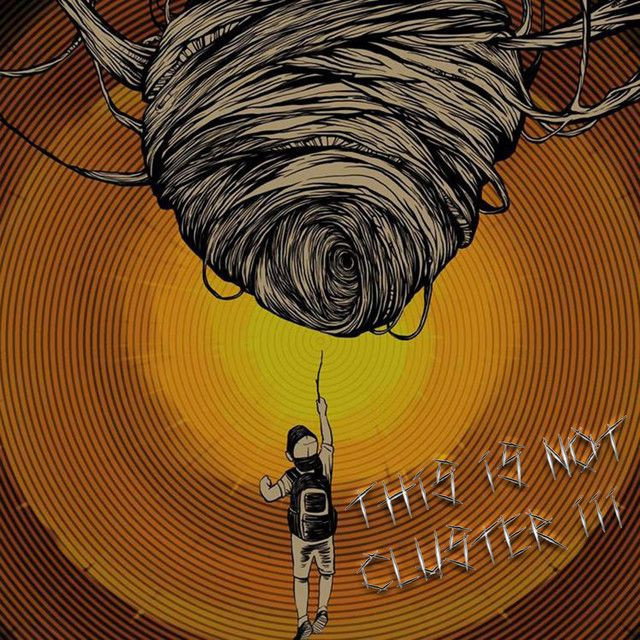
Why 'Junkie Love' Feels Blissful and Broken
The meaning of Junkie Love Slowdough sits in a tense space between freedom and self-destruction. The song sounds loose, funny, and spaced-out on the surface, but its lyrics keep hinting at consequences. They describe a group chasing release, creativity, and connection through substances, while also admitting that this kind of love can turn chaotic.
"Junkie Love" - Slowdough
My coffee in the morning
I don't discern it
Loading lyrics...
Unable to load lyrics
We're unable to display the lyrics at this time. Please try again later.
Because the user provided the lyrics directly, the reading here stays focused on the text itself. No verified public credits, release data, or production notes were provided beyond authorship, so factual claims are limited to that.
At the Center: Escape Disguised as Intimacy
At its core, the song is about dependency dressed up as romance and community. The title already fuses affection with compulsion. In the verses, they move through coffee, weed, liquor, and psychedelic imagery as if all of them belong to the same daily ritual.
That matters because the song does not draw a clean line between love, art, and intoxication. Early on, the narrator links altered states to creativity, suggesting a need to loosen up and break from ordinary thinking. When they mention creative juices run loose
, the point is not only getting high. It is about wanting to feel more open, more alive, and less trapped by routine.
Interpretation: the song suggests that what feels like liberation can slowly become reliance. That idea returns in the hook, where awe and need are tied together.
Watch the official Junkie Love
music video
A Crew Song With a Frayed Edge
One striking part of the lyric is how often the voice feels collective. Even when one person speaks, the song keeps circling back to a group identity. They describe themselves as 4 different animals
, which paints the crew as odd, unruly, and stitched together by shared habits.
That image helps explain the song's emotional pull. This is not a lonely ballad about private addiction. It is a social song about belonging among outsiders. The group feels judged by the world around them, especially in lines about not fitting normal patterns or "traffic."
So when they shrug off being called criminals and insist their circle carries "good vibes," the song reveals a defense mechanism. They want to protect their version of reality from outside criticism. In that sense, "junkie love" may be the bond between people who feel most understood when they are escaping together.
The Chorus Turns Wonder Into Warning
The chorus is the clearest window into the song's emotional logic. The repeated desire to see the galaxy
pushes the song beyond simple partying. They are reaching for something cosmic, mystical, maybe even spiritual.
Woe is me
I wanna see the galaxy
Those lines are short, but they do a lot. First, there is sadness or frustration: Woe is me
. Then comes the answer: transcendence. The song imagines a trip out of ordinary pain and into a huge, beautiful space.
Interpretation: this is where the meaning of Junkie Love Slowdough sharpens. The high is not just recreational. It becomes a substitute for peace, wonder, and emotional relief. That is why the chorus feels both dreamy and uneasy.
Drug Imagery as a Language of Need
The song is packed with references to substances, but they are not all used the same way. Coffee appears beside stronger drugs, which blurs the line between harmless habit and dangerous dependency. That is smart writing. It shows a spectrum of need rather than one dramatic fall.
When the lyric says choose your vices
, it briefly drops the joking tone and offers caution. That moment matters because it undercuts the swagger elsewhere. The narrator may boast about excess, but they also know choices have weight.
The phrase pure Junkie Love
is especially revealing. It sounds proud at first, almost like a badge. But the word “pure” makes it harsher, too. It strips away excuses and says the attachment is deep, direct, and maybe impossible to pretty up.
How the Lines Build a Worldview
The verses jump quickly from image to image, and that disjointed style fits the theme. The writing feels impulsive, like a mind moving under stimulation. Humor, bragging, and melancholy all arrive in the same breath.
There are also little signs that perception itself is unstable. One line says someone else's static is changing their perspective. That suggests interference, confusion, or mental noise. In a song full of chemicals and cosmic longing, distorted perception becomes part of the point.
Interpretation: the loose structure mirrors a blurred inner life. They are not trying to tell a neat story with a beginning and end. They are letting listeners sit inside a mindset where pleasure, confusion, brotherhood, and risk all overlap.
Sound and Delivery: What Likely Carries the Meaning
Without verified production credits, only the lyrics can guide this part. Still, the text strongly suggests a hazy, groove-based delivery rather than a polished pop structure. Repetition in the chorus, slangy phrasing, and rolling internal rhymes point toward a track that probably values atmosphere as much as narrative.
If the performance leans relaxed or woozy, that would reinforce the song's push-pull between comfort and decay. If it hits harder and louder, the same lyrics would feel more rebellious than vulnerable. Either way, the words are built for a headspace song: something immersive, circular, and a little unstable.
So What Does "Junkie Love" Finally Mean?
The best reading is that the song portrays affection corrupted by dependency. It is about the thrill of shared escape, but also about how easily that thrill becomes a lifestyle and then an identity. They are not only in love with substances. They may also be in love with the version of themselves that exists inside the haze.
That is what gives the song its strange charm. It sounds playful, but the cracks show through. The galaxy is beautiful, yet the road there looks risky.
Disclaimer: This interpretation is based on the lyrics provided and should be read as analysis, not a definitive statement of author intent.









