Why “Everyday People” Still Feels Urgent
The meaning of Everyday People Sly & The Family Stone is simple on the surface and powerful underneath: people divide themselves into groups, then forget they have to share the same world. Sly Stone turns that idea into a song that sounds light, catchy, and friendly, but its message is direct. They are singing about prejudice, ego, and the need for humility.
"Everyday People" - Sly & The Family Stone
My own beliefs are in my song
The butcher, the banker, the drummer and then
Loading lyrics...
Unable to load lyrics
We're unable to display the lyrics at this time. Please try again later.
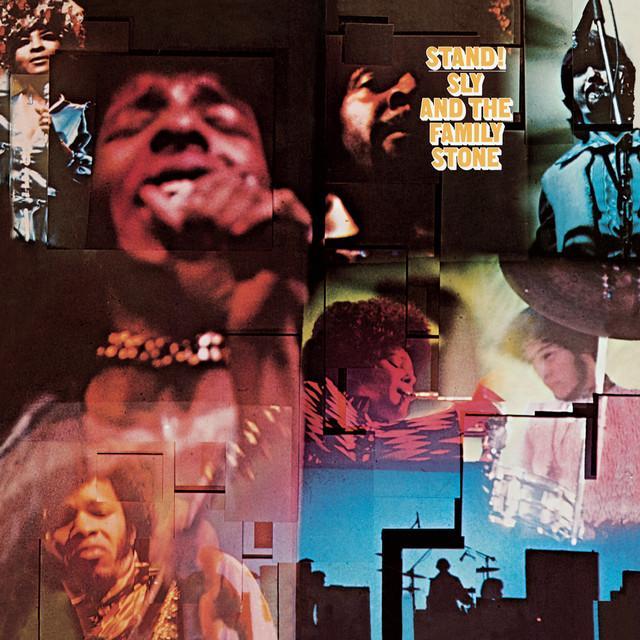
Released in late 1968 and later included on Stand!, the song became the group’s first No. 1 on both the Billboard Hot 100 and the Soul chart, a major crossover moment for the band. It was written and produced by Sly Stone, according to widely cited reference sources and chart histories. The band’s own identity mattered too: Sly & The Family Stone were one of the first major mainstream American bands with a racially integrated, mixed-gender lineup, which made the song’s message feel lived-in, not just stated.
A Pop Hook With a Big Social Point
At its core, the song argues that labels are real, but they should not decide a person’s worth. Early on, the singer admits human limits with Sometimes I’m right
, then quickly widens the lens to all kinds of ordinary roles and identities. That move matters. Instead of talking only about one group, the song talks about everybody.
The repeated line I am everyday people
is the key. It does not mean one person is plain or anonymous. Interpretation: it means the speaker refuses to stand above anyone else. They are not claiming moral perfection. They are claiming shared humanity.
That is why the song still works. It is not written as a lecture from a hero. It sounds like a reminder from someone inside the same mess as everyone else.
Watch the official Everyday People
music video
How the Verses Show Division in Daily Life
Sly Stone does not describe conflict in abstract language. He shows people judging each other by race, body image, class, and style. One short phrase sums up the song’s idea of tolerance: Different strokes for different folks
. In plain terms, people have different ways of living, and that difference should not trigger contempt.
The song keeps piling up examples of social sorting. Long hair versus short hair. Rich versus poor. One color refusing another. These snapshots are brief, but together they create a map of everyday bias.
We got to live together
Ooh, sha-sha
That short refrain matters because it shifts the song from observation to instruction. The problem is not only that people are different. The problem is that they act as if difference cancels obligation. Sly’s answer is basic and hard at the same time: coexistence is not optional.
The Chorus Turns “I” Into “We”
Even though the hook uses the first-person singular, it feels collective. When the band sings I am everyday people
, the line becomes bigger than one speaker. It invites listeners to hear themselves inside it.
Interpretation: that is why the chorus hits so strongly. The “I” is really a social mirror. Each listener is asked to step out of their favorite label and think, before anything else, they are just another person among other people.
The line also connects to another important lyric idea: nobody is inherently above anyone else. The song rejects superiority from every angle. It does not flatter one side while attacking only another. Instead, it points to a common weakness: people often build identity by pushing someone else down.
Why the Sound Helps the Message Land
One reason the song lasted is that its production makes a serious subject feel open and singable. Reference sources describe it as a mid-tempo song with a strong pop feel rather than one of the group’s more aggressive funk workouts. That choice matters. The arrangement is bright, uncluttered, and welcoming.
The groove is especially important. Larry Graham later said the track featured an early recorded example of his thumb-driven bass approach, a technique that would become foundational to slap bass. Whether listeners know that history or not, they can hear the effect: the bass gives the song a firm, bouncing center.
The communal vocals help too. Sly leads, but the group response turns the record into a conversation. Rose Stone and Cynthia Robinson’s bridge parts add personality and movement, making the social message feel shared rather than delivered from above.
Why It Mattered in 1968—and Why It Still Does
The late 1960s in the United States were marked by conflict over race, power, protest, and identity. In that climate, a hit song saying people are equal and must find a way to live together carried real weight. Its success was not small: the single spent four weeks at No. 1 on the Hot 100 in 1969 and later earned lasting recognition on major greatest-songs lists.
But its staying power comes from more than chart stats. The song remains useful because its target is not one temporary argument. It addresses a repeating habit in public life: turning difference into hostility.
That is the deepest meaning of Everyday People Sly & The Family Stone. It is a call for empathy without pretending differences disappear. The song says people will always be varied, stubborn, and imperfect. They still have to treat one another as equals.
The Lasting Takeaway
“Everyday People” endures because it makes a moral argument in plain language and memorable sound. It is danceable, but not shallow; idealistic, but not naive. They hear a song that knows people are flawed and still asks them to do better.
That balance is why it still sounds fresh. It does not promise utopia. It simply insists that ordinary people owe one another dignity.
Disclaimer: This interpretation separates documented facts from critical reading. Meanings can vary by listener, even when the song’s central theme of equality is widely recognized.







